

Key Takeaways
- Most Americans consume too much sodium, increasing the risk of heart disease and stroke; ideally, adults should aim for 1,500–2,300 mg per day.
- Too little sodium can also be harmful, as the body needs it for essential functions.
- Eating a balanced diet with low-sodium foods and consulting a healthcare provider can help you stay within a healthy range.
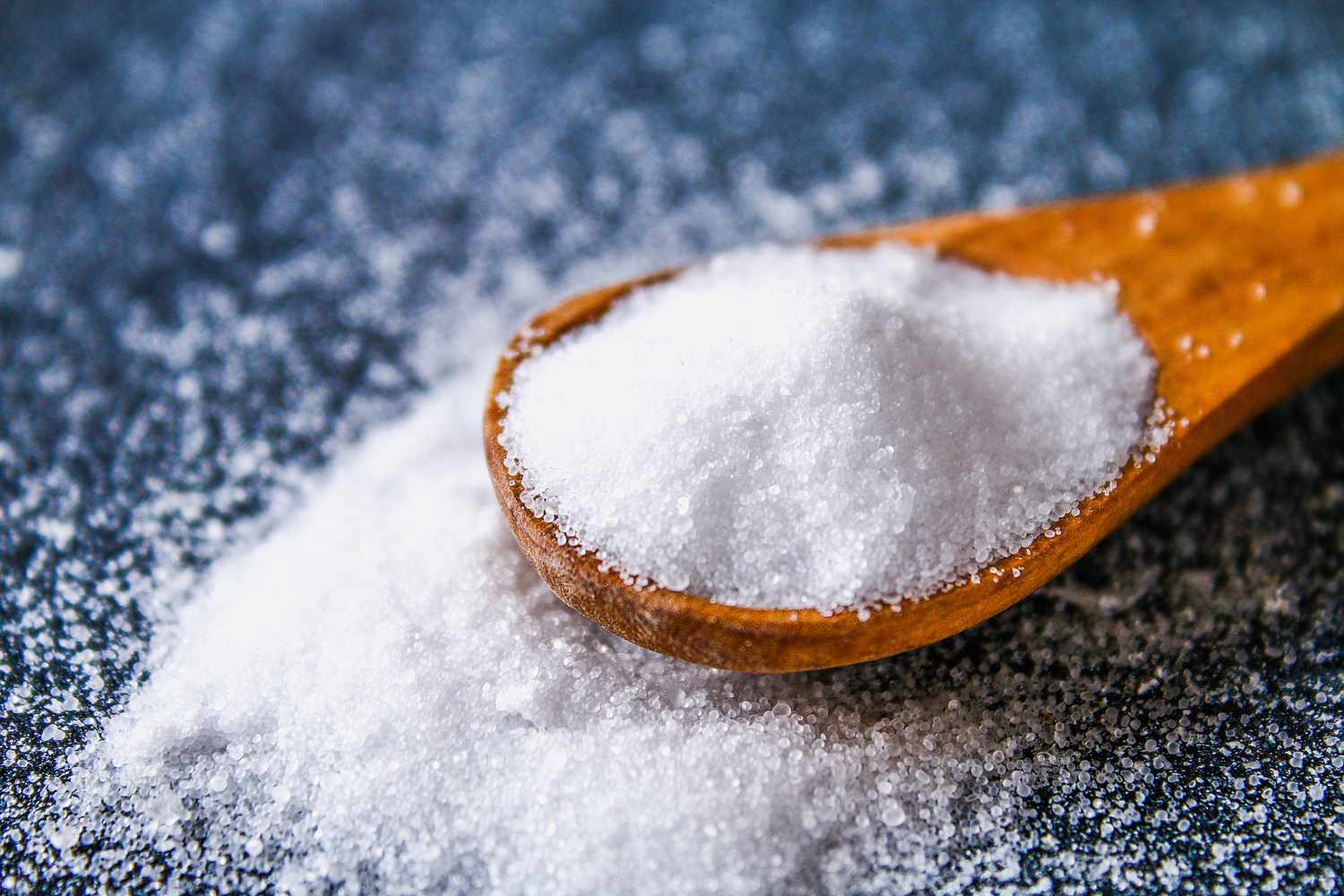
Sodium is a key mineral that helps balance fluids and supports muscle and nerve function, and salt is the main dietary source. Most adults should aim for about 1,500 milligrams (mg) daily, and try not to exceed 2,300 mg.
Daily Sodium Intake
Females may benefit from having a lower sodium intake than males. That said, females should aim to consume 1,500 mg per day.
While excess salt intake may affect females more than males, it is still recommended that males over 14 do not exceed 2,300 mg per day, with an ideal intake of 1,500 mg.
Age is the main factor influencing how much sodium a person needs daily. Sodium needs by age range can vary.
| Daily Sodium Needs by Age | |
|---|---|
| Age | Daily Amount |
| 1-3 | 1,000 mg or less |
| 4-8 | 1,200 mg or less |
| 9-13 | 1,500 mg or less |
| 14-50 | 1,500 mg to up to 2,300 mg |
| 51-70 | 1,300 mg |
| 70 and over | 1,200 mg |
A person’s health status often dictates how much sodium is healthy. People with chronic diseases that could be affected by sodium intake, such as heart disease, should speak to their healthcare provider about their sodium needs.
How Can You Tell You’ve Had Too Much Sodium?
Your body will give you signs that you have consumed too much sodium, such as:
- Bloating
- Weight gain
- Puffiness
- Headaches
Many of these signs and symptoms will develop in the days after you consume large amounts of sodium or consistently exceed your daily needs.
If you eat too much sodium one day, you may step on the scale the next day and see you’ve gained weight overnight. This weight gain is due to water retention, as sodium causes the body to hold onto water, resulting in water weight.
High Sodium Intake Health Risks
A single day of having too much sodium isn’t going to pose any long-term health risks, but a consistently high intake of the mineral can lead to several adverse health events. Some of the risks include:
What About Not Getting Enough Sodium?
The medical term for a lack of sodium, also known as a sodium deficiency, is hyponatremia. The symptoms and signs of hyponatremia depend on the severity. For a mild case, you may not notice any symptoms at all. However, as the sodium levels become dangerously low, you could experience:
- Nausea and vomiting
- Headaches
- Confusion
- Fatigue
- Low blood pressure
- Loss of energy
- Cramps, twitching, or weakness in the muscles
- Restlessness
- Irritability
- Seizures
- Coma
In the most severe cases, people may have to be admitted into a healthcare facility to receive sodium intravenously.
Ways to Cut Down Your Daily Salt Intake
Reducing sodium intake may seem complicated, especially since many foods contain high levels of sodium. However, there are simple ways to do it that will be both effective and easy. They include:
- Eating fresh foods: Fresh foods, such as fruits, vegetables, and skinless poultry, all contain lower amounts of sodium than processed foods. Cutting down on processed foods with lots of preservatives and swapping them out for fresh foods will naturally lower your intake.
- Choosing sodium-free options: Many high-sodium foods, such as soy sauce, have low-sodium options. Choose those instead.
- Using herbs and spices for flavor: Often, people use salt to enhance the flavor of otherwise bland foods. Instead of reaching for the salt, try some spices or herbs. That way, you’ll limit your sodium intake while enjoying your favorite foods.
- Limiting condiments and side dishes: These are often high in sodium. To cut down on your intake, you will have to limit these food options.
Sodium vs. Salt
The terms “sodium” and “salt” are often used interchangeably, but they are different. Salt is made of sodium chloride. While salt contains some sodium, it is not composed solely of sodium. The chemical makeup of salt is 40% sodium and 60% chloride.
Salt is an additive used to help flavor certain foods. Sodium, on the other hand, is often found naturally in foods. It is also added to foods that contain many preservatives or undergo more extensive processing.
Foods With Less Sodium
Fresh foods, such as fruits, vegetables, and lean meats, contain lower sodium levels. They are the best options when you want to cut some sodium from your diet.
Other low-sodium foods include:
- Whole grains, brown or wild rice, quinoa
- Fish and shellfish
- Turkey or lean cuts of beef and pork
- Unsalted nuts and seeds
- Dried peas, beans, and lentils
- Canned vegetables or beans that have “low salt” or “no salt added” labels
- Eggs
- Whole-grain pasta, oatmeal, or bread
- Low-fat yogurt or milk
- Reduced-sodium cheeses
- Unsalted margarine
- Low-sodium dressings and condiments
- Herbs and spices
:max_bytes(150000):strip_icc()/VerywellBioPicAngelicaBottaro-203f7e803ab444b2b5c13b4252d11159.JPG)