

:max_bytes(150000):strip_icc():format(jpeg)/Stocksy_txp6e0b26aaAIw000_Medium_655645-571b7db35f9b58857da51d45.jpg)
Key Takeaways
- Eat high-fiber foods like beans, lentils, vegetables, and whole grains to help prevent blood sugar spikes.
- When eating out, opt for grilled food instead of fried, load up on fruits and vegetables, and drink water or unsweetened tea.
- Prepare lunches in advance by roasting vegetables and proteins or cooking whole grains for quick meals.
Eating a healthy lunch is vital when managing diabetes. It keeps blood sugar levels in control and adds important diversity to your nutrient intake.
Healthy lunch ideas don’t have to be difficult to achieve, even on the busiest days. They can limit the number of midday meals that are rushed—eaten on the go or at a desk—and make it all too easy to resort to carbohydrate-laden fast or processed foods.
This article will provide advice on how to create a diabetes-friendly lunch, whether you’re making your meal at home or eating out. It also provides a list of healthy lunch suggestions.
Balancing Nutrients in a Healthy Lunch
Macronutrients—protein, fat, and carbohydrates—are the body’s main energy sources. For managing diabetes, reducing your carbohydrate intake can help minimize blood sugar spikes.
Your macronutrient needs may vary based on factors such as:
- Age
- Sex
- Activity level
- Blood glucose control
- Your medication regimen
Consulting a nutritionist or certified diabetes educator is essential to determine the ideal macronutrient ratio for you. A tailored plan can help reach your treatment goals. Nutrition therapy for diabetes is covered by Medicare, Medicaid in some states, and most insurance plans.
The American Diabetes Association (ADA) states there is no single macronutrient breakdown ideal for everyone with diabetes. Meal plans should align with individual calorie, weight loss, and metabolic goals.
Not all macronutrients are equal. Many traditional lunch items, like lunchmeats, white bread, canned soups, and sugary yogurts, are processed and low in nutrient density. They are filling but lack the nutrients of whole grains and leafy greens.
Carbohydrates
For a diabetes-friendly lunch, choose high-quality carbs rich in fiber to help control blood sugar spikes. The ADA suggests consuming at least 14 grams of fiber per 1,000 calories daily. Great sources include beans, lentils, vegetables, fruits, nuts, seeds, and whole grains.
Improving your lunch can be as simple as making smart swaps. Incorporate foods rich in fiber, which take longer to digest due to their complex starch structure.
This slower digestion prevents rapid increases in blood glucose. Some studies suggest more dietary fiber may modestly lower A1C levels.
How to Make a Tortilla-Free Burrito Bowl
Protein
Lean protein, including sources like fish, chicken, turkey, eggs, beans, tofu, and nuts and seeds, is a healthy bet for a balanced lunch.
Eating protein from whole food sources is best. Be sure to work with your healthcare provider or certified diabetes educator to determine your daily protein goals.
Fish is a great option for a healthy fat source. The ADA recommends consuming fatty fish such as salmon, anchovies, mackerel, and sardines an average of twice per week.
Fat
Fat is essential for hormone production, heart and brain function, absorption of fat-soluble vitamins, and the structural integrity of every cellular membrane in the body.
A diet rich in plant-based, monounsaturated fats such as avocado, olives, and nuts may also help improve blood sugar metabolism and reduce the risk of cardiovascular disease.
Processed foods containing trans fats, sometimes found in shelf-stable baked goods, should be avoided. You also want to limit high amounts of saturated fats from animal or dairy sources. This will help to limit the stress they put on the cardiovascular system. Choose low-fat dairy, fish, lean meats, and foods in their natural state instead.
Four Components of a Healthy Diabetes Lunch
Using a mental checklist can help you be mindful of your lunch choices, whether eating at home or dining out.
Remember these four main components of a diabetes-friendly lunch with these three macronutrients and veggies:
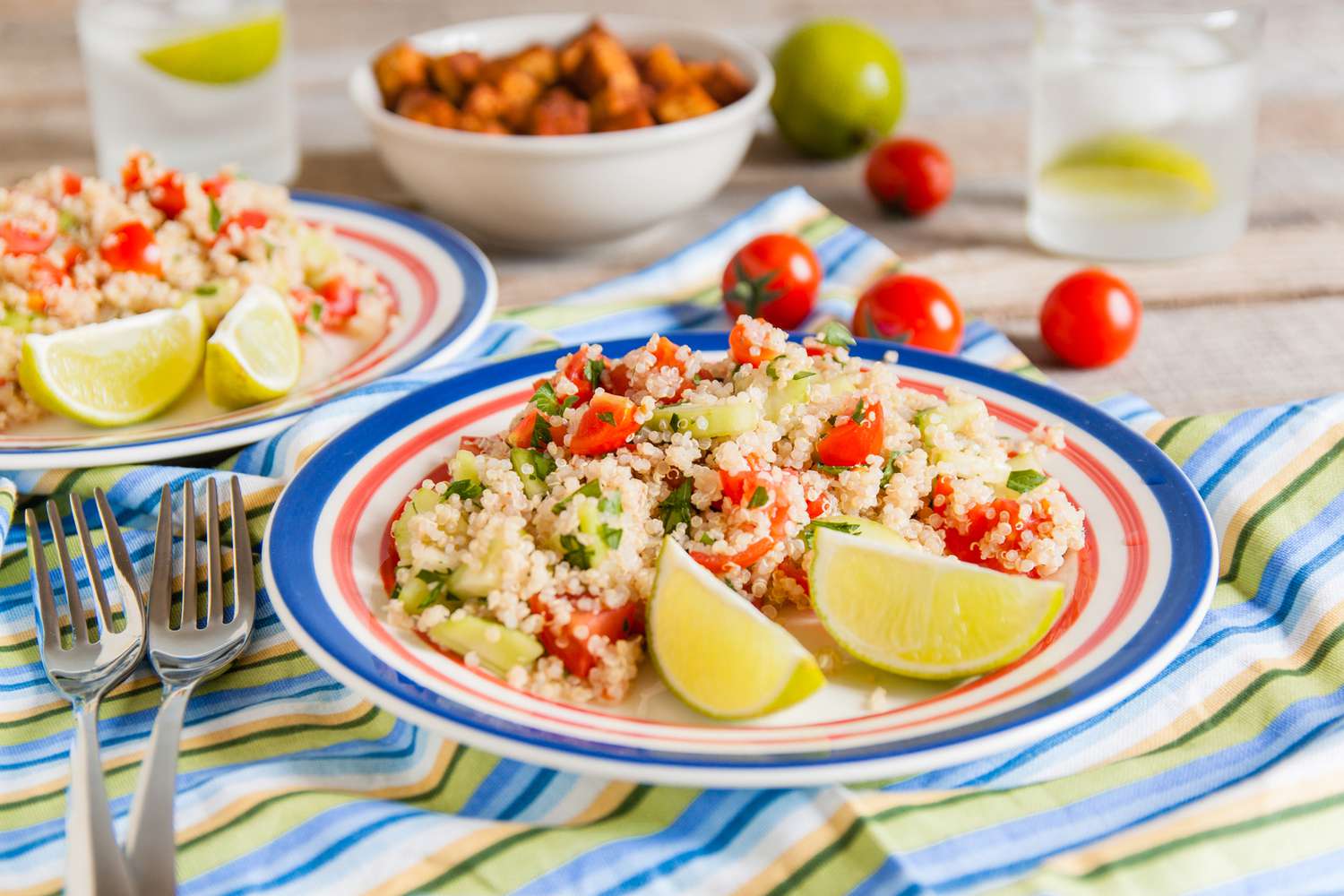
- Fiber (oats, whole wheat, brown rice, quinoa)
- Lean protein (chicken, turkey, eggs, fish, beans, or tofu)
- Healthy fats (olive oil, avocado, grass-fed butter)
- Vegetables, especially dark leafy greens
Eating Out
When you’re in a rush, you’ll have to choose a diabetes-friendly lunch on the go. Takeout or fast food that’s laden with saturated fat, refined carbohydrates, and added sugar may not be the ideal choice.
There are menu items that are more diabetes-friendly than others. These include salads with grilled chicken (rather than fried), fruit or soup on the side instead of fries, and water or unsweetened iced tea instead of soda or diet soda.
It pays to be mindful of portions when eating out, too. If you order a full meal complete with sides, divide each part of the meal in half and save the rest for another meal. Or, use the Plate Method, in which half your plate is reserved for veggies, one quarter is reserved for lean protein, and one quarter is reserved for complex carbohydrates.
Tips For Keeping Portions in Check
When you’re out to eat and unable to weigh your food, or if you’re cooking at home and don’t have access to a food scale, it can be helpful to know how to visually gauge portion sizes. You can use your hands as visual cues:
- Grain portions should be about 1/2 cup—about as much as will fit in one cupped hand.
- Portions of lean protein should be around 3 ounces, which looks equivalent to the approximate size of your open palm or a deck of cards.
- A serving of fats such as olive oil or butter is usually one teaspoon and is approximately visually equal to the top section of your thumb.
Meal Prep
Preparing meals ahead of time is an easy way to always have diabetes-friendly lunch options on hand. Take the time to plan recipes, shop with a grocery list, and cook meals ahead. Here are a few meal prepping techniques to try:
- Fire up your oven: Roast one baking sheet tray of veggies such as broccoli, red onions, and Brussels sprouts, simply tossed in olive oil and salt and pepper. Roast a second baking sheet with your protein for the week, such as salmon fillets or chicken thighs.
- Stir up a sauce or two: Having sauces and dressings waiting for you in the fridge can help you make a meal out of just about anything. Try a lemony salad dressing or a basil pesto.
- Go for the grains: Making a big pot of brown rice, oatmeal, quinoa, or other grain can serve as a great meal base for three to five days. Just top with some greens and protein and you’ve got a meal. Switch up your grains each week for variety.
- Count on leftovers: Double recipes and eat leftovers for lunch the next day, or freeze the excess and save it for dinner next week.
25 Lunch Ideas
One way to set yourself up for success is to include a wide variety of foods when planning your meals.
In the mood for a sandwich? Try a cold cut sandwich on whole-grain bread with lettuce, tomato, and crunchy red peppers and a smear of hummus to add extra fiber and protein. Going out for burgers? Ask for no bun or choose a lettuce wrap instead to keep carb counts low.
Some specific lunch ideas and recipes you can try, both at home or on the go, include:
- Salmon cakes with dill aioli
- Savory oatmeal bowl with eggs and spinach
- Kale-stuffed sweet potato
- Beef and brown rice soup
- Spinach and blueberry salad with hard-boiled egg
- Open-faced tuna sandwich
- French toast with whole grain bread
- Cobb salad with turkey and hard-boiled egg
- Salmon burgers
- Lean pork and veggie tacos or quesadillas
- Vegetable omelet with a side salad
- Whole wheat pasta salad with veggies
- Chickpea stew
- Caesar salad topped with chicken
- Strawberry chicken salad
- Grilled shrimp quinoa bowl
- Yogurt with fruit and nuts
- Spaghetti squash boats
- Sweet potato bowl with black beans and quinoa
- Tofu stir-fry with brown rice and broccoli
- Cauliflower crust mini-pizzas
- Grilled chicken parmesan with vegetables
- Lentil burger
- Chickpeas with couscous
- Whole grain pita and hummus with cucumber