

:max_bytes(150000):strip_icc():format(jpeg)/VWH-GettyImages-1315237317-728e757998d14c298de64612ad186c7b.jpg)
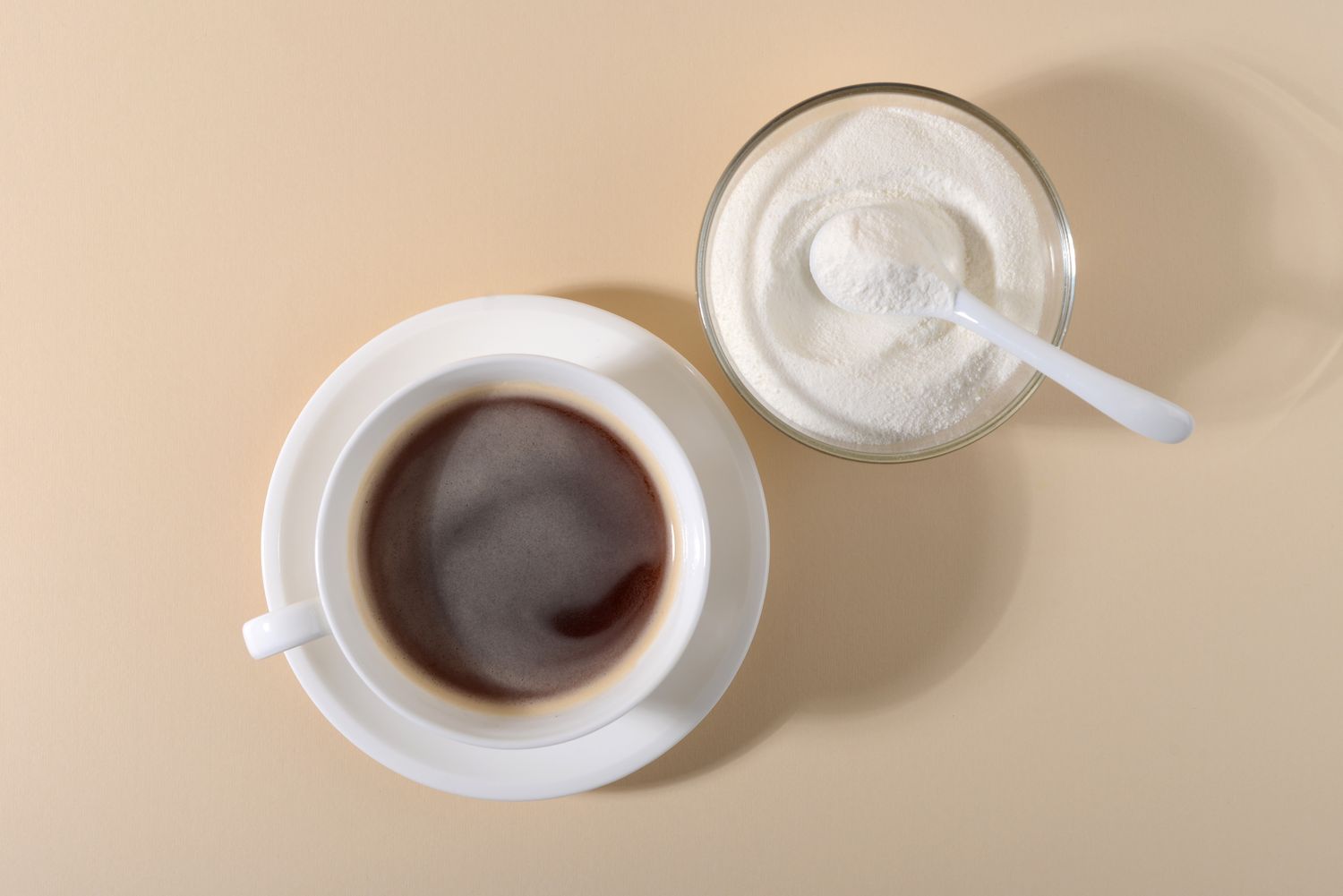
Protein powders are a popular way to increase daily intake, particularly for athletes, fitness enthusiasts, and people on a weight loss journey. Adding protein powder to your coffee is a growing trend that can help you meet your protein goals, but it should not be a substitute for a nutritious meal.
1. You Get an Early Start on Your Daily Protein Needs
Adding protein powder to your coffee will help you meet your daily protein needs.
The Recommended Dietary Allowance (RDA) for protein, or the daily amount required to meet the needs of most healthy people, is 0.8 grams (g)/kilogram (kg) of body weight per day. More protein is often needed for athletes or people who work out.
Research has shown that twice the RDA helps to maximize muscle protein synthesis. To do this, it is suggested to get 0.4 grams of protein/kg body weight per meal in four meals per day, at a minimum.
Meeting protein needs as an athlete is best done by starting your day with a protein-rich breakfast. Adding protein to your coffee is not a substitute for skipping breakfast, but it could help you reach your intake goal.
2. May Help With Your Workout Goals
Athletes have higher protein needs. Their requirements are a minimum of 0.5-0.9 g of protein/pound of body weight per day. Extra protein intake, particularly after workouts, helps athletes build muscle and strength.
In addition to athletes, many people realize the importance of muscle strength as we age. In post-menopausal women, for example, whey protein supplementation can improve strength, but only when combined with resistance training.
Overall, increasing protein intake may help build muscle, increase strength, and improve athletic performance.
3. May Help With Your Weight Loss Goals
Increasing protein intake may help support weight loss. Protein promotes feelings of fullness and may curb appetite later in the day.
When in an energy deficit to promote weight loss, higher protein intakes will help preserve lean mass and promote fat loss, particularly when combined with resistance training.
People with prediabetes tend to benefit from diets high in protein. Higher protein intakes also increase weight loss success after bariatric surgery, a surgical procedure used to manage obesity.
Are There Downsides to Using Protein Powder in Coffee?
There are some downsides to using protein powder in your coffee, including:
- Lack of Food and Drug Administration (FDA) oversight: The FDA does not routinely test protein powders for quality or safety before sale.
- Contamination risk: Some testing has found that protein powders are contaminated with heavy metals like arsenic, cadmium, lead, mercury, and pesticides. Plant-based protein powders frequently tested worse, while egg-based powders tested cleaner. While this is concerning, other research suggests that the amount of metals in protein powders is not enough to cause negative health effects.
- Risk for athletes: Professional athletes should use powders certified by organizations like NSF, Informed Choice, or Banned Substances Control Group to avoid banned substances.
- Not for everyone: People with lactose intolerance or milk allergies should avoid milk-based protein powders. Those with kidney disease should consult a healthcare provider before switching up their protein intake.
- Possible side effects: Protein powders may cause stomach discomfort, which can sometimes be reduced by adding small amounts gradually, staying hydrated, and eating enough fiber.
How to Add Protein Powder to Coffee
Here are a few tips for adding protein powder to your morning cup of coffee:
- Select a protein powder independently tested or certified by an organization such as NSF, U.S. Pharmacopeia, or ConsumerLab.com. This ensures it contains the listed ingredients and is free of contaminants.
- Choose a protein powder that will meet your specific needs. Some powders also contain sugar, artificial sweeteners, and other ingredients. Be sure to read the label.
- Add a serving of protein powder to your coffee and mix well. Some powders may clump when added to hot liquids. In this case, mix the powder with water or milk first and then add it to your coffee.
- You can add protein powders to iced coffees if the powder doesn’t mix well with hot coffee.