

“Around 1 in 3 patients with depression don’t respond fully to antidepressants,” says the lead study author Min Gao, PhD, an epidemiologist and a health behavior scientist at the University at Oxford in England.
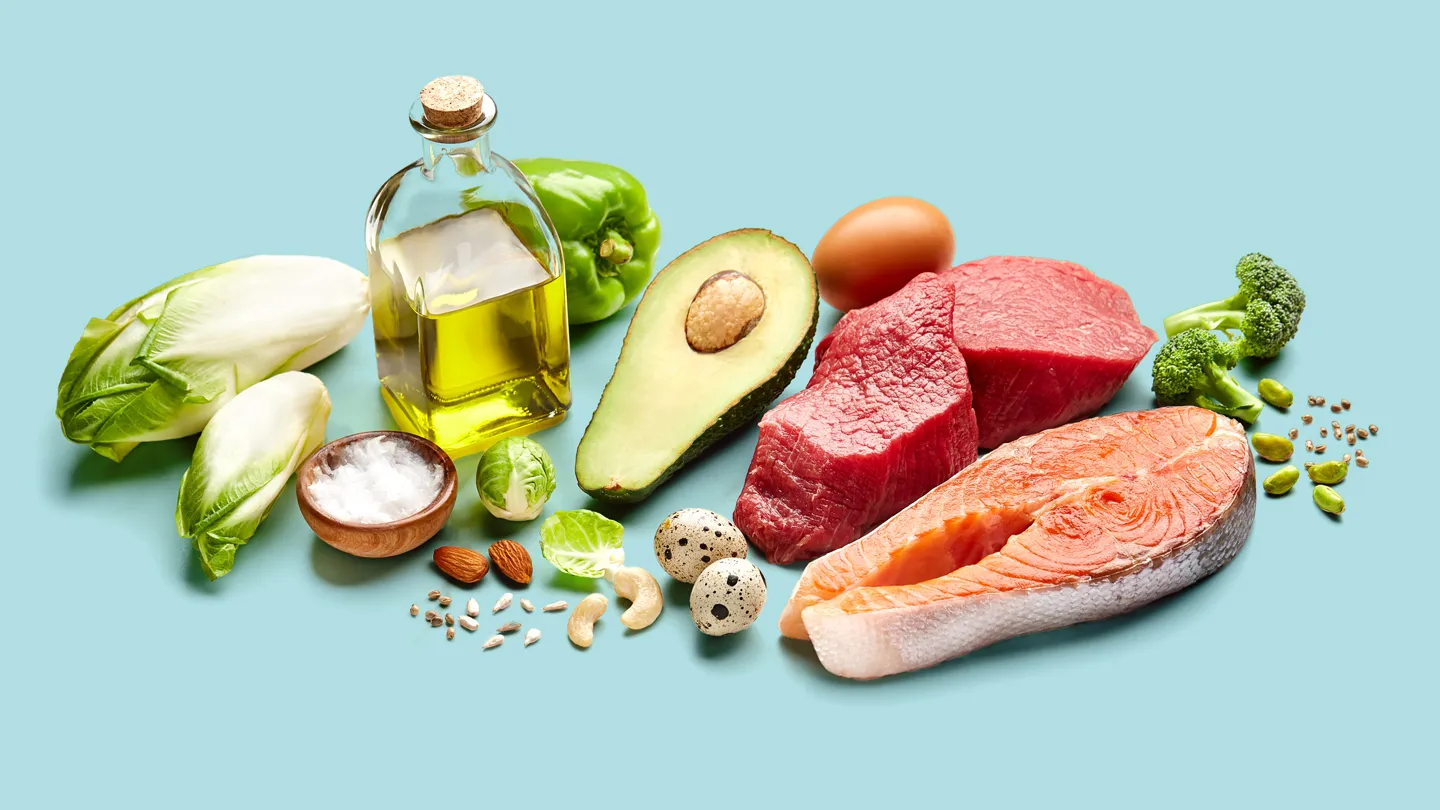
“At the same time, there’s been growing public interest in whether diet, especially the ketogenic diet — a diet high in healthy fat but low in carbohydrate — could help mental health.”
Despite online testimonials about the depression-fighting effects of the keto diet, Dr. Gao says there’s been a lack of high-quality research to support such claims. “We wanted to study this carefully to understand whether there is a real benefit,” she says. Here’s what she and her team discovered.
Study Found Real but Modest Benefits From the Keto Diet
Published in JAMA Psychiatry, the study followed 88 participants who were age 42 on average and had been diagnosed with treatment-resistant depression.
Researchers randomly assigned study subjects to follow one of two diets for six weeks. One group ate prepared foods that followed the keto diet, with less than 30 grams (g) of carbohydrates a day; the other “control” group followed a plant-forward eating plan.
The researchers tracked the participants on the PHQ-9 Score, which is a 0 to 27 point scale used by doctors to measure the severity of depression. The scientists took measurements at baseline, after six weeks on the diet, and after 12 weeks.
By the end of the trial, participants who followed the keto diet had a 10.5 point drop in their PHQ-9 Score, while those who followed the control diet had an 8.3 point drop.
“Our study shows that when a ketogenic diet is tested carefully, any benefit appears to be real but modest — and more difficult to sustain than some claims suggest,” Gao says.
Clinical Trial Adds to Existing Data on the Keto Diet for Depression
There has been some data to suggest a keto diet may be helpful for depression, although most is preliminary.
The new study stands out for its protocol, known for producing high-quality conclusions. “This is one of the first well-controlled, randomized clinical trials testing a ketogenic diet in the treatment of treatment-resistant depression,” says Amir Afkhami, MD, PhD, a professor and the vice chair of the George Washington University department of psychiatry and behavioral sciences.
“A lot of the prior work on depression and diet has been observational, which makes it hard to separate true dietary effects from the effects of weight loss and the expectation that you will get better once you’ve enrolled in a trial,” Dr. Afkhami says.
Why Could the Keto Diet Help Ease Depression?
A keto diet supports the production of ketones, chemical compounds produced in the body from fat when there isn’t enough glucose (blood sugar) to burn for energy, explains Gail Saltz, MD, a clinical associate professor of psychiatry at Weill Cornell Medical College in New York City and the host of the How Can I Help? podcast.
These may impact several pathways in the body that are linked to mood disorders, easing symptoms, she says. The ketones may also spark a series of changes that are anti-inflammatory and neuroprotective, stabilizing symptoms, according to Dr. Saltz.
There may also be a communal feeling when someone follows a keto diet that helps support mood, suggests Aaron P. Brinen, PsyD, an assistant professor of psychiatry and behavioral sciences at Vanderbilt University Medical Center in Nashville, Tennessee.
“People who are really into the keto diet feel good at the success of keeping their ketones at the level they’re supposed to, and enjoy finding community in other people who do this,” he says. “You’re engaging in activities that provide purpose, pleasure, and socialization — these are all core treatments for depression.”
Gao says there are several possible explanations for the keto diet’s impact on depression — and none are certain at this point. “Some research suggests changes in brain energy use, inflammation, gut microbiome, or metabolism could play a role,” she says. “Our team is currently looking into this.”
Should You Try the Keto Diet for Depression?
Doctors say it’s too early to prescribe a keto diet for treatment-resistant depression. “This is not a simple intervention — there’s a lot to following the keto diet,” Dr. Brinen says. “The benefit is also not large.”
Saltz also doesn’t recommend trying the keto diet for depression just yet. “No one in psychiatry is ready to recommend this as a research-backed method of treatment for treatment-resistant depression,” she says.
Gao agrees. “It’s early evidence, not a new recommendation,” she says. “While there may be some potential benefit, the diet is difficult to follow, and we don’t yet know enough about its long-term safety and who is most likely to benefit. Anyone considering dietary changes for mental health should discuss this with their doctor or mental health professional.”