

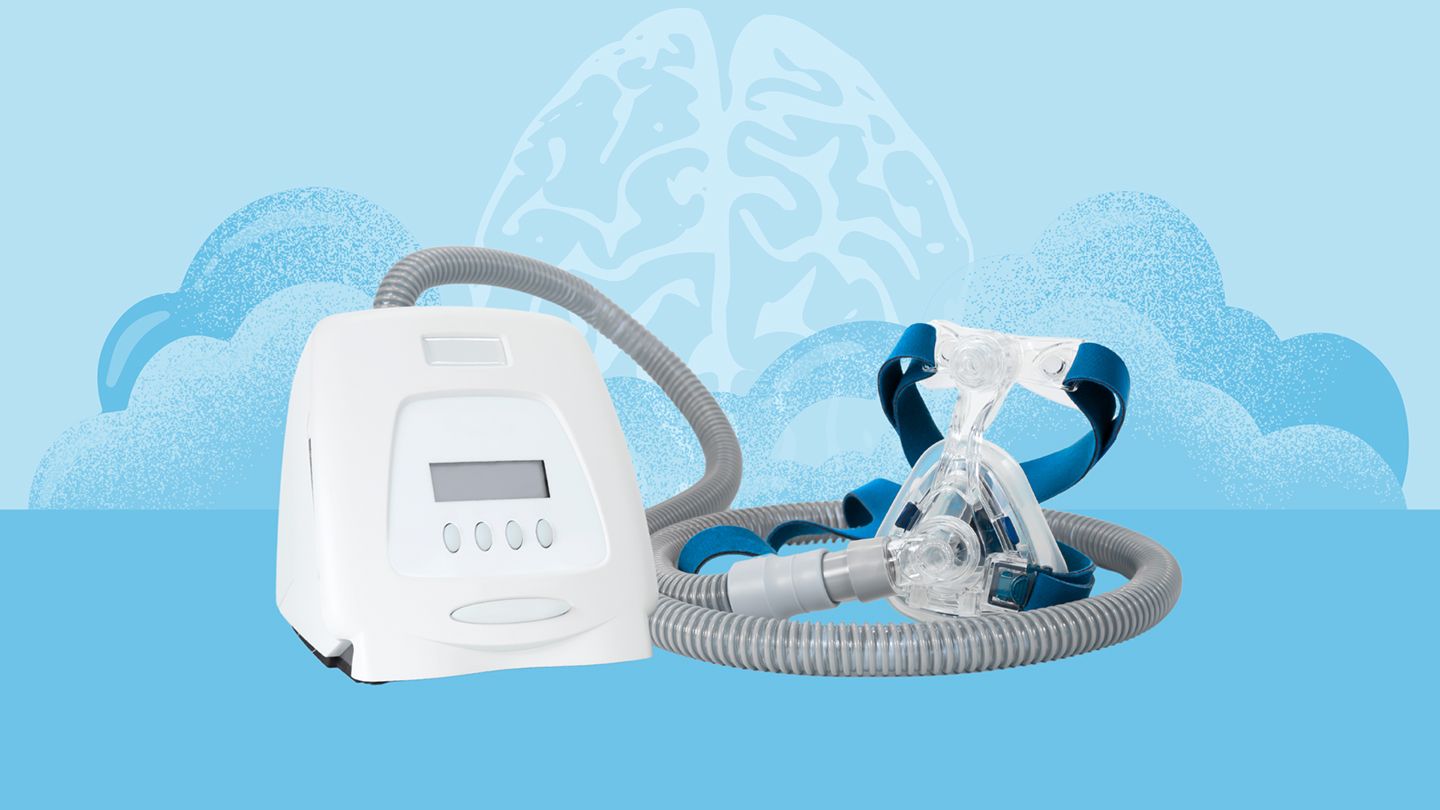
Treating OSA can bring immediate benefits for your brain. While improvements don’t always happen overnight, most people notice better daytime alertness, sharper thinking, and stronger long-term memory within the first few weeks of using continuous positive airway pressure (CPAP) therapy, Fong-Isariyawongse says. CPAP is the most common OSA treatment.
In one to three months, CPAP treatment also may boost your:
While most studies focus on CPAP, other OSA treatments — including oral appliances, weight loss medications, nerve stimulation, and surgery — may also provide cognitive benefits.
Oral appliances or mouth guards, which pull your lower jaw forward or hold your tongue in place, can improve thinking speed and alertness in those with mild-to-moderate sleep apnea, Fong-Isariyawongse says.
The U.S. Food and Drug Administration (FDA) also approved the weight-loss medication tirzepatide (Zepbound) to treat moderate-to-severe OSA, alongside exercise and diet changes. It works indirectly by cutting down your appetite, slowing digestion, and helping you lose weight. These effects can reduce your risk of OSA and help you maintain your cognitive health.
The dual glucagon-like peptide-1 receptor (GLP-1) and glucose-dependent insulinotropic polypeptide receptor (GIP) agonist can cut as many as 29 sleep interruptions per hour and may improve sleep quality.
“Weight loss, including through medications or surgery, often improves sleep apnea severity, though many patients still need additional treatment,” Fong-Isariyawongse says.
Surgical treatments for more-advanced cases of OSA, including implanted nerve stimulation devices and airway clearance surgery, also can lessen daytime sleepiness and its cognitive effects, she says.