

Key Takeaways
- Proteinuria affects most people with complement 3 glomerulopathy (C3G).
- Protein in urine is one of the strongest indicators of disease progression.
- Reducing proteinuria can slow the progression of C3G, along with the risk of kidney failure.
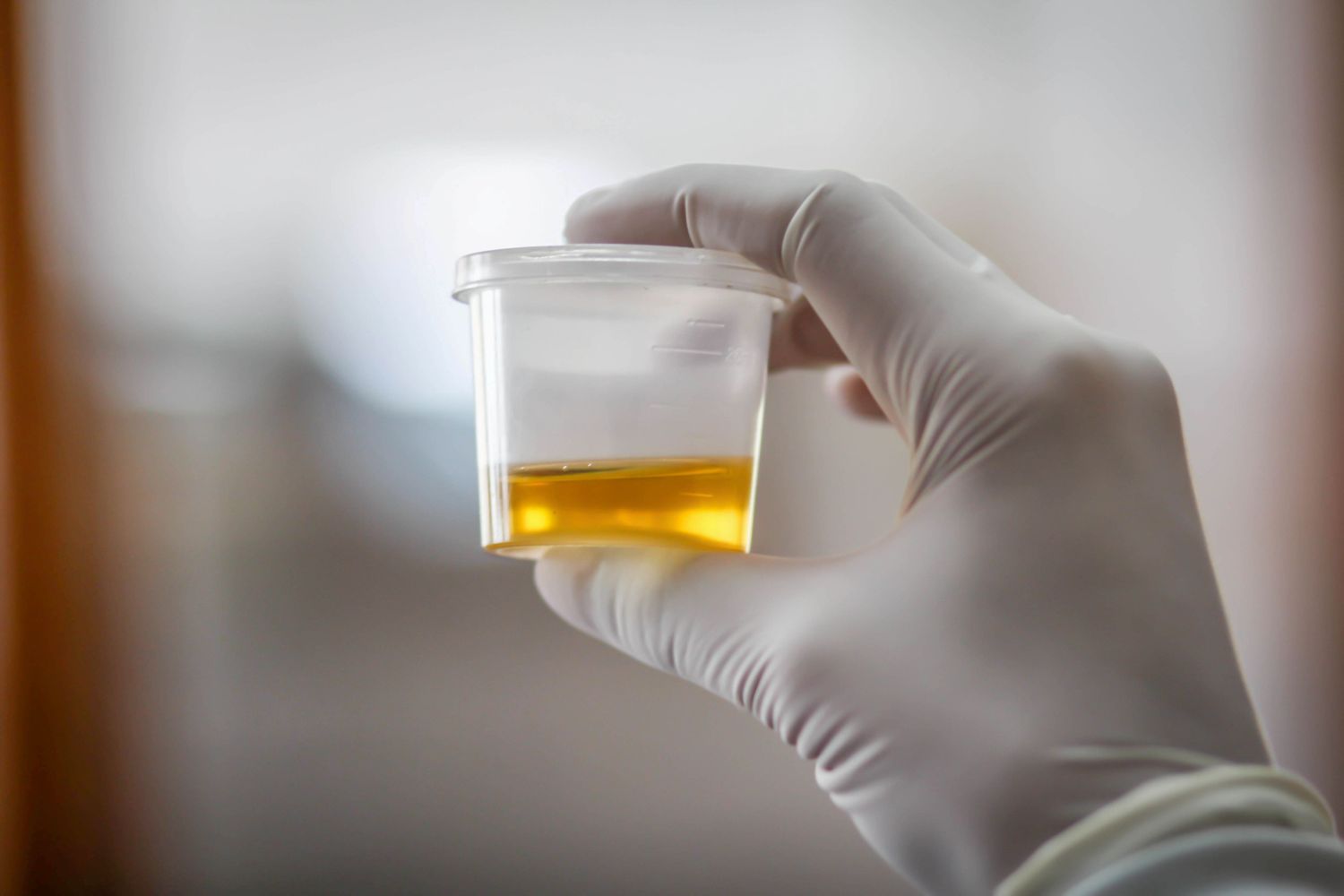
Proteinuria (protein in urine) is a common and significant feature of complement 3 glomerulopathy (C3G). The presence of protein in urine is a sign that the kidney’s filtering units have been damaged, with higher levels indicating more active disease and an increased risk of long-term kidney problems.
someone25 / Getty Images
Why Proteinuria Occurs With C3G
Complement 3 glomerulopathy is caused when the complement system—a part of the immune system that fights infection—becomes overactive. The system is made up of a group of immune proteins that are activated (“turned on”) when bacteria or viruses are present.
One of these proteins, complement 3 (C3), is split into smaller fragments during activation. Once a foreign invader is destroyed, the complement system will normally “shut down” as the body produces new C3 to restore blood levels.
In people with C3G, the complement system doesn’t fully shut down. This causes C3 fragments to accumulate and become trapped in the kidney’s filtering units (glomeruli), leading to inflammation and damage.
As the damage progresses, protein—normally kept in the blood—will start to leak into the urine, leading to proteinuria.
Why Proteinuria Is a Concern
Proteinuria is common with C3G, with most people experiencing it at the time of diagnosis. Proteinuria is of concern because it can signify several things:
- Disease status: With C3G, your kidneys are less able to filter waste and excess fluid from your blood. The more protein that leaks, the more severe the damage tends to be.
- Disease activity: Proteinuria can often fluctuate with C3G. It can increase when you have an infection, and the complement system “kicks in” to fight the infection. It can also be persistent, meaning that the disease is active and the complement system remains abnormally active.
- Disease progression: Protein in urine—especially albumin—can be toxic to the kidney tubules, which transfer waste from the glomeruli to your urine. This can create a vicious cycle wherein the progressive scarring of tubules accelerates glomerular damage, speeding disease progression.
- End-stage disease: Persistent or high-grade proteinuria is one of the strongest predictors of progression to chronic kidney disease (CKD) and, eventually, end-stage renal disease (ESKD) and kidney failure.
Severity of Proteinuria and What That Means
Studies have shown that up to 50% of adults and 70% of children with C3G progress to ESKD within 10 years. Proteinuria—both baseline values and subsequent increases—is one of the strongest predictors of this.
Proteinuria is measured most accurately by a 24-hour urine collection test. Lab values under 0.15 grams per day (g/day) are generally considered normal for most healthy adults.
With C3G, higher values are sometimes broadly categorized in clinical practice as:
- Mild to moderate proteinuria: Over 0.15 g/day to under 1 g/day
- Significant proteinuria: 1 g/day or greater
- Nephrotic-range proteinuria: 3.5 g/day or greater
Values greater than 1 g/day at diagnosis have been shown to increase the risk of ESKD by 164% compared to values under 1 g/day.
When protein levels are 3.5 g/day or higher, you are more likely to develop symptoms like oliguria (low urine output) and edema (swelling of the ankles, feet, or eyelids). You are also at greater risk of kidney failure.
How to Reduce Protein in Urine
With C3G, proteinuria is an important sign of how much damage is happening to your kidneys. When protein levels go up, the risk of kidney failure also goes up. When protein levels come down and stay down, the kidneys tend to do better.
While there is no cure for C3G, treatments can slow progression by directly or indirectly reducing proteinuria. These include:
- Blood pressure medications: Angiotensin-converting enzyme (ACE) inhibitors like Zestril (lisinopril) and angiotensin receptor blockers (ARBs) like Cozaar (losartan) are often used in first-line treatment to lower pressure within the glomeruli and reduce leakage.
- Changes in diet: Lowering your sodium (salt) intake can also reduce blood pressure in your kidneys, while cutting back on protein may be recommended to ease the strain on your kidneys.
- Quitting cigarettes: Smoking accelerates kidney damage, along with the risk of high blood pressure (hypertension).
- Immunosuppressants: People at higher risk of disease progression or ESKD may be prescribed corticosteroids and CellCept (mycophenolate mofetil) to temper the overactive immune response.
The reduction of proteinuria is not only a major treatment goal but also a marker for how well you are responding to treatment. The benefits of this can be enormous.
Studies have shown that a 50% reduction of proteinuria in people with C3G was associated with slower disease progression and a 61% reduction in the risk of kidney failure.
:max_bytes(150000):strip_icc()/Denjay_photo-56f3c0ca5f9b5867a1cc4ccb.jpg)