

Key Takeaways
- White blood cell disorders can happen if you have too many or too few white blood cells.
- Your doctor can use a complete blood count (CBC) test to check for white blood cell disorders.
- Treatments for white blood cell disorders depend on the cause and can include antibiotics, medications that boost cell production, and sometimes chemotherapy.
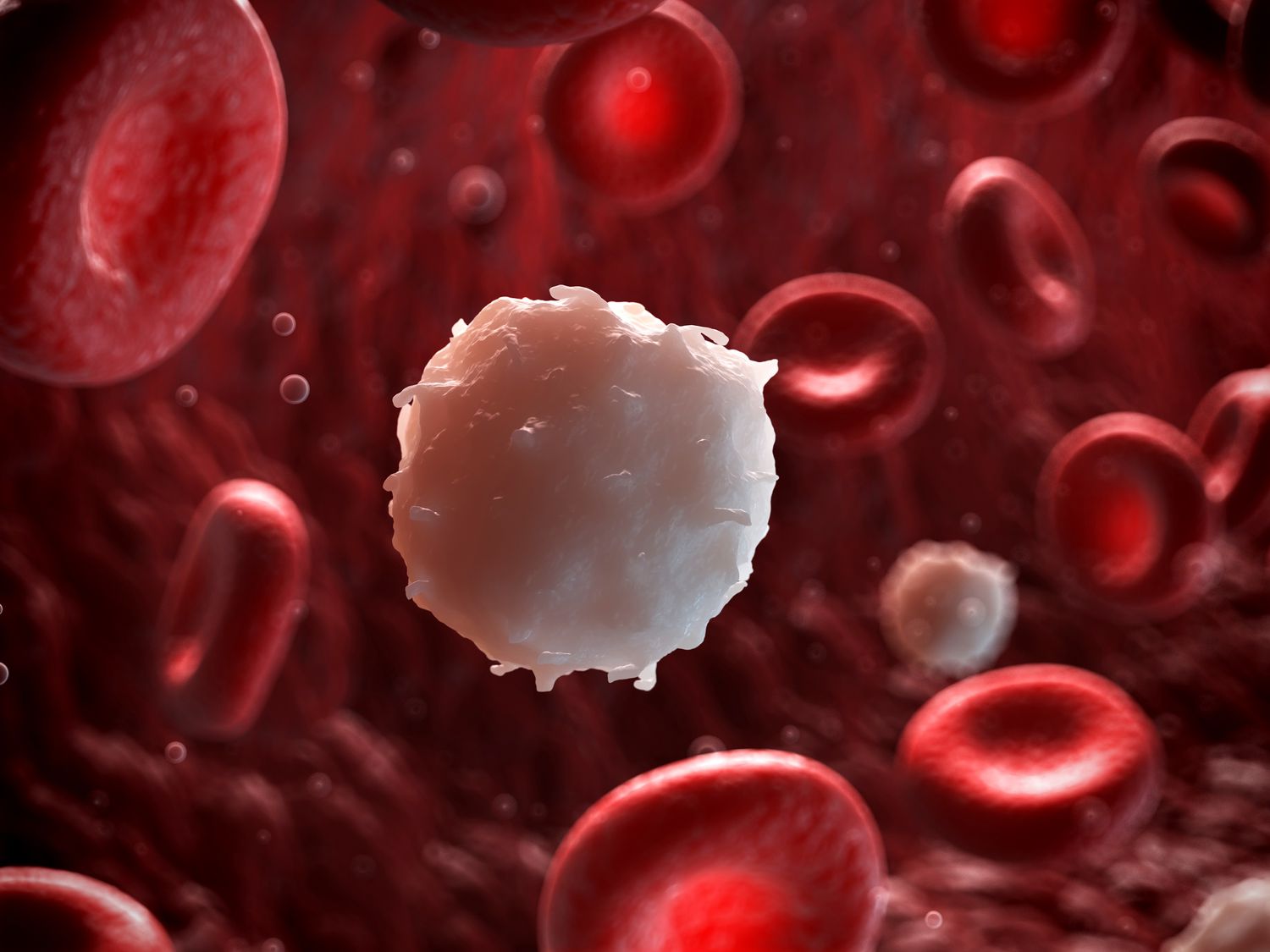
White blood cell disorders occur when you have too many or too few white blood cells. White blood cells, also known as leukocytes, are one of three types of cells that compose the blood. They are produced in the bone marrow and play an important role in your immune system.
Doctors can measure these cells with a test called a white blood cell (WBC) count. When white blood cells are abnormally high, it usually suggests that your immune system is fighting a disease or infection. When they are too low, it suggests that a disease, autoimmune disorder, or other condition has weakened your immune system.
Verywell / Laura Porter
While you cannot diagnose any medical condition based on a white blood cell count, the test can often be the first sign of a disease and even hint at what kind of disease you have.
This article will discuss the different types of white blood cell disorders and how to recognize them. It will also look at the causes, diagnosis, and treatment.
Types
A disorder refers to any condition that disrupts the body’s normal functioning. White blood cell disorders can be either quantitative, meaning normal cells appear in abnormal numbers, or qualitative, meaning the cells themselves have changed.
These disorders may manifest as:
- Leukopenia: A decrease in white blood cells, which can occur because the cells are being destroyed or not enough are being made.
- Leukocytosis: An increase in white blood cells, which can be a normal immune response but may also be due to certain diseases, including cancer.
There are five major types of white blood cells, each with a specific function:
- Monocytes: Defenders that respond to anything the immune system considers abnormal.
- Lymphocytes: Cells that produce immune proteins called antibodies to target and fight specific diseases.
- Neutrophils: Cells that primarily fight bacterial infections.
- Eosinophils: Cells that mainly fight parasitic infections.
- Basophils: Cells that help trigger inflammation to combat infections, diseases, or toxins.
Some diseases only affect one type of white blood cell, while others can affect multiple types. For example, lymphocytic leukocytosis affects lymphocytes, while neutrophilic leukocytosis affects neutrophils. Knowing which type of cell is affected can help doctors determine the specific condition.
Symptoms
Symptoms of white blood cell disorders can vary depending on the cause, and some individuals may not experience any symptoms. When symptoms occur, they are often non-specific and can overlap between leukopenia and leukocytosis.
-
Fever
-
Bleeding or bruising
-
Fatigue
-
Lightheadedness or dizziness
-
Sweating
-
Pain or tingling in the legs, arms, or abdomen
-
Vision problems
-
Unclear thinking
-
Loss of appetite
-
Trouble breathing
Causes
Various factors can cause white blood cell disorders. These may include severe infections, autoimmune diseases, genetic conditions, or cancers affecting blood cell production.
Others are treatment-related or are caused by problems with other types of blood cells, such as red blood cells. Some are entirely idiopathic, meaning of unknown origin.
Some of the more common reasons for leukopenia include infections (pneumonia among them) or the side effects of certain medications, such as antithyroid drugs. Malnutrition, with low levels of vitamin B12, folic acid, or copper, also can lead to leukopenia.
Some of the white blood cell disorders associated with leukopenia include:
- Aplastic anemia: A bone marrow disorder in which the body stops producing enough new blood cells
- Autoimmune neutropenia: A condition in which your immune system mistakenly attacks and destroys neutrophils
- Congenital neutropenia: A genetic disorder in which the body doesn’t make enough neutrophils
- Cyclic neutropenia: A rare genetic disorder in which neutrophil production drops every 21 days or so
- Chronic granulomatous disease: An genetic disorder that causes certain white blood cells to malfunction and behave abnormally
- Leukocyte adhesion deficiencies: A group of rare genetic disorders that affect the white blood cells’ ability to fight infection
Leukocytosis also has some common causes, including allergic and drug reactions or bacterial infection. People diagnosed with Epstein-Barr virus (and infectious mononucleosis) also may experience it.
Some of the white blood cell disorders also associated with leukocytosis include:
- Chronic idiopathic neutrophilia: A condition in which neutrophils remain persistently elevated for no apparent reason
- Hemolytic anemia: A disorder in which red blood cells die faster than they are made, often due to an underlying genetic or autoimmune cause
- Idiopathic thrombocytopenia: A condition in which your immune system mistakenly attacks and destroys blood-clotting cells called platelets
- Lymphoma: A group of cancers that start in cells of the lymphatic system
- Lymphocytic leukemia: A type of blood cancer that starts in lymphocytes
- Myeloproliferative disorders: Includes six types of slow-growing cancers that cause the overproduction of white blood cells (chronic eosinophilic leukemia, chronic myelogenous leukemia, chronic neutrophilic leukemia, essential thrombocytopenia, polycythemia vera, and primary myelofibrosis)
Diagnosis
One of the first tests used to diagnose a white blood cell disorder is a complete blood count (CBC). This test measures all of the different types of blood cells in a sample of blood. It also measures the proportion of individual blood cells, which can help narrow the possible causes.
The lab results are compared to a reference range of high and low values. The reference range for the total white blood cell (WBC) count can vary from one lab to the next but is typically described as follows:
- Males: 5,000 to 10,000 cells per microliter of blood (cells/mL)
- Females: 4,500 to 11,000 cells/mL
- Newborns under two weeks of age: 9,000 to 30,000 cells/mL
- Children and adolescents: 5,000 to 10,000 cells/mL
If your results are above or below normal, your doctor will investigate the possible causes. This may include a blood smear in which a drop of blood is placed on a glass slide and examined under the microscope to look for any abnormalities in the cell’s structure.
Since white blood cells are produced in the bone marrow, a bone marrow biopsy may also be ordered to get a sample of tissue for evaluation by a pathologist.
If you require further investigation, you may be referred to a hematologist, a doctor who specializes in blood disorders, or an immunologist, a doctor who specializes in disorders of the immune system.
Treatment
The treatment of white blood cell disorders differs according to the cause. Some treatments are used to cure the disease, while others simply manage the disease and keep it in check. Others still are used to relieve symptoms or help normalize the white blood cell count.
Possible treatments include:
- Antibiotics: Used to treat bacterial infections
- Antiparasitic drugs: Used to treat parasitic infections that cause eosinophilia
- Blood component transfusion: This is typically a temporary method to replenish the part of the blood that is lacking until the underlying cause has been handled.
- Colony-stimulating factors (CSF): Medications that increase white blood cell production in the bone marrow
- Glucocorticoids: A medication that may treat the underlying immune disorder and may even move neutrophils from outlying sources back to the peripheral blood.
- Immunosuppressants: Medications that reduce the immune response in people with autoimmune diseases
- Chemotherapy and radiation: Therapies commonly used to treat cancer
- Stem cell transplantation: Used to cure certain blood-related disorders, including myeloproliferative disorders and congenital neutropenia
Neutrophils can be selectively collected and given as a transfusion to patients that would benefit. There are other specialty cellular therapy products, such as chimeric antigen receptor (CAR) T-cell therapy products.
:max_bytes(150000):strip_icc()/Amber-Yates-MD-660-0ae6a94bc2c14c87af8269e750bad44c.jpg)