

Key Takeaways
- Vitamin A is a fat-soluble nutrient that is most effective when it’s taken with a healthy, high-fat snack or meal.
- Consistency is key to taking vitamin A, so choose a convenient time that you’ll remember to take your vitamin each day.
- When possible, consume vitamin A through nutritious foods like carrots, sweet potatoes, liver, and eggs instead of dietary supplements to optimize your health.
Vitamin A (retinol) is necessary for both normal and night vision. It is not made in the body but must be consumed through foods in the diet or as a dietary supplement- and timing matters.
Take Vitamin A With High-Fat Food
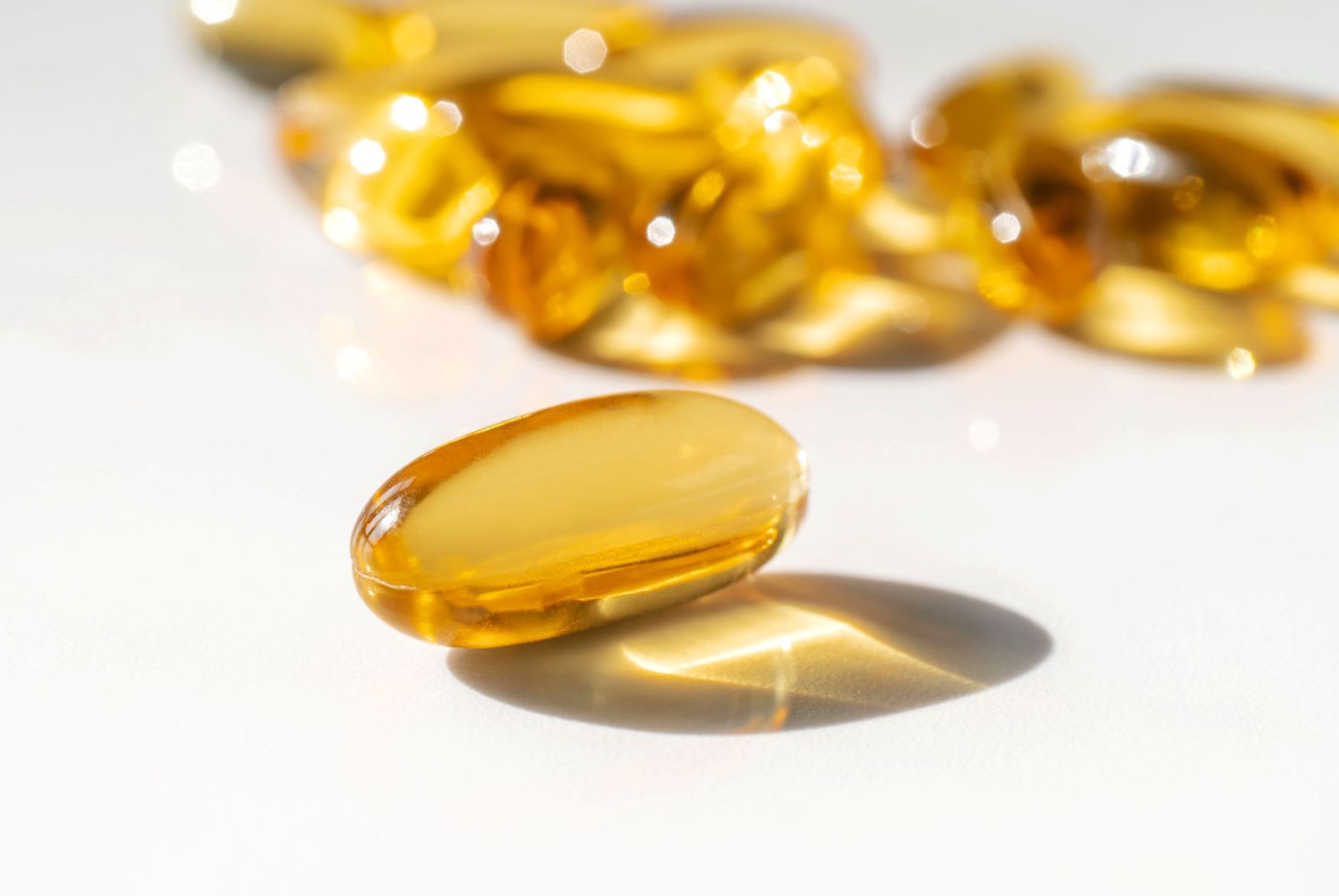
For the best absorption, vitamin A should be taken with a meal that contains fat:
- Vitamin A is fat-soluble, meaning it dissolves in fat.
- Taking vitamin A with a healthy high-fat meal or snack increases the amount of vitamin A that reaches your bloodstream.
- Healthy, nutrient-rich fats to pair with your vitamin A supplement include olive oil, avocados, nuts, and seeds.
Take Vitamin A Consistently
Consistency in taking vitamin A is essential in reaping its health benefits:
- There’s not a specific time of day that’s best for taking vitamin A for your vision.
- If you are low in vitamin A and your healthcare provider recommends supplementation, remember that consistency is key.
- Pick a time that you will remember to take your vitamins each day. Depending on your daily routines and the timing of other medications, this may be taken with breakfast, lunch, or dinner.
How Much Vitamin A Do You Need?
According to the Food and Nutrition Board (FNB) at the National Academies of Sciences, Engineering, and Medicine, people age 19 and older have these vitamin A needs:
- Men should consume 900 micrograms (mcg) of retinol or retinol equivalents (RE) daily
- Women should consume 700 mcg daily.
- Pregnancy requires 770 mcg daily.
- Breastfeeding requires 1,300 mcg daily.
What Are the Best Dietary Sources of Vitamin A?
To get the most vitamin A from your diet:
- Animal sources: Foods rich in vitamin A from animal sources include fish oil, liver, butter, and egg yolks.
- Plant-based sources: These include carrots, sweet potatoes, mangoes, and spinach. These fruits and vegetables contain provitamin A carotenoids (such as beta-carotene), which are changed into vitamin A in the body. Boost the benefits of vitamin A-containing vegetables by tossing them in olive oil or an oil-based salad dressing.
- Fortified foods: Vitamin A is added to many milk, margarine, and cereal products in the United States. Read the nutrition labels to see if your go-tos are fortified with vitamin A.
| Dietary Sources of Vitamin A | |
|---|---|
| Food | Amount Per Serving / % DV |
| Beef liver, 3 ounces | 6,582 mcg / 731% DV |
| Whole sweet potato | 1,403 mcg / 156% DV |
| Boiled spinach, 1/2 cup | 573 mcg / 64% DV |
| Pumpkin pie, one slice | 488 mcg / 54% DV |
| Raw carrots, 1/2 cup | 459 mcg / 51% DV |
| Cantaloupe, 1/2 cup | 135 mcg / 15% DV |
| Hard-boiled egg, one | 75 mcg / 8% DV |
:max_bytes(150000):strip_icc()/meganhs11-0550977a84f84b89966cf1799ce2bfb1.jpeg)