

Key Takeaways
- Rinse your mouth with water or brush your teeth after every inhaler use to prevent thrush.
- Oral thrush can be treated with medications like fluconazole or nystatin
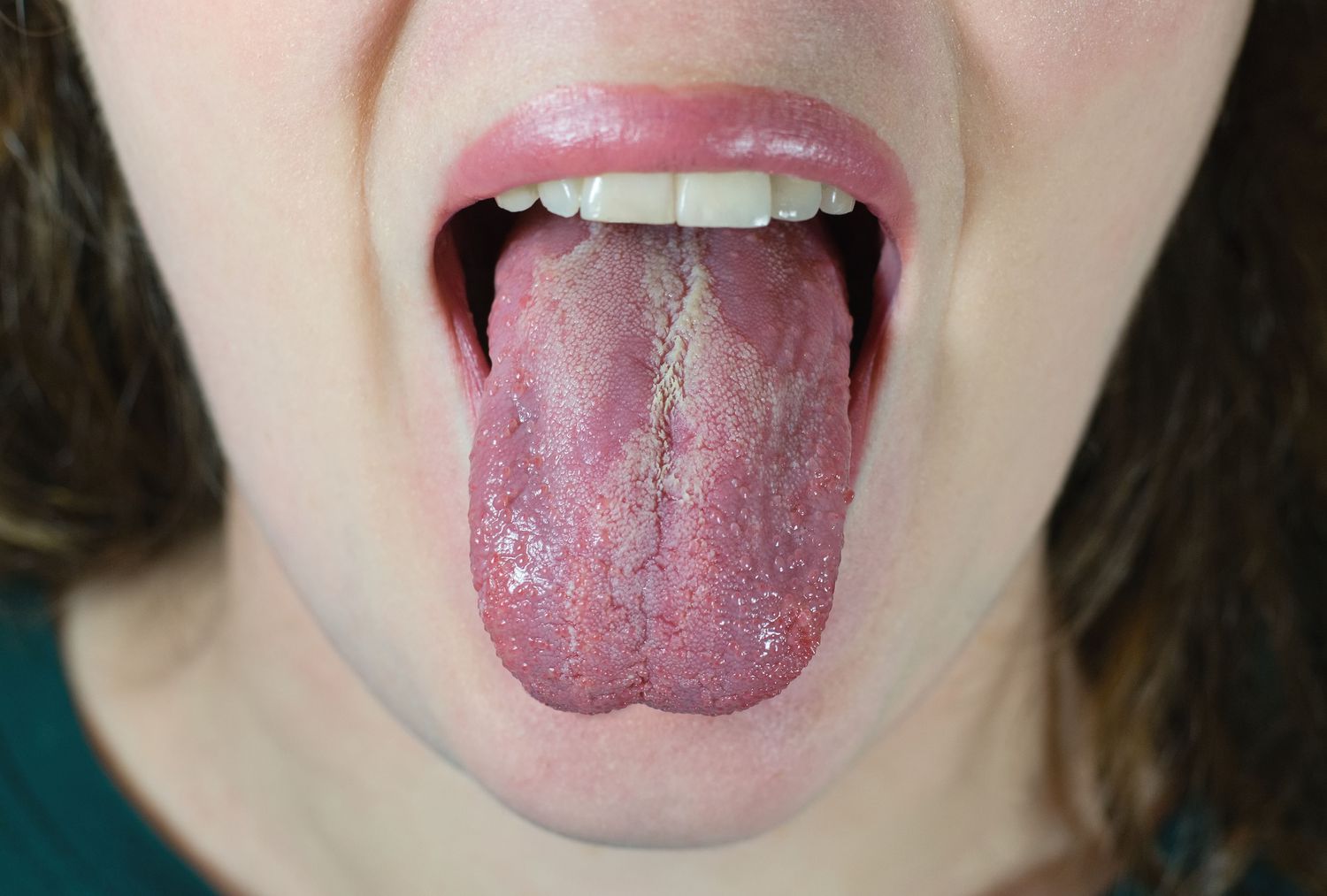
Thrush is a fungal infection that occurs inside the mouth, causing painful white patches on the tongue and cheeks. The fungus that causes thrush is called candida and is commonly found on our skin and in the environment. Thrush is most likely to affect infants and small children and is rarer in adults. It can be a side effect of corticosteroid inhalers used for asthma and other respiratory conditions.
This article discusses the causes, signs, and treatment of thrush, as well as ways to prevent thrush when using a corticosteroid inhaler.
Tunatura / Getty Images
Signs and Symptoms of Oral Thrush
Common signs and symptoms of oral thrush include:
- Redness inside the mouth
- White patches on the tongue, cheeks, gums, tonsils, roof of the mouth, or back of the throat
- Discomfort, soreness, or pain in the mouth
- Loss of taste
- Difficulty swallowing
- In severe cases, fever (could indicate that the infection has spread beyond the esophagus)
Oral Thrush and Inhalers
Inhaled corticosteroids are commonly prescribed for asthma or chronic obstructive pulmonary disease (COPD). These medications can decrease immune function, making you more likely to develop infections like thrush.
Approximately 3% of individuals using inhaled corticosteroids develop thrush.
Other Causes of Oral Thrush
In addition to corticosteroids, certain other medications may make you more likely to develop thrush, including hormonal birth control pills and antibiotics.
Other medical conditions that may make you prone to thrush include:
People who smoke and people who do not maintain proper oral hygiene may also be more likely to get thrush.
Infants with underdeveloped immune systems are prone to getting thrush while breastfeeding.
Preventing Oral Thrush From an Inhaler
Practicing good oral hygiene is essential to preventing thrush. Here are some tips to prevent it while using an inhaler:
- Rinse your mouth out with water or brush your teeth after every inhaler use
- Brush and floss regularly
- Avoid high sugar foods or foods that contain yeast
- Stop smoking
Be sure to keep your inhaler clean between uses and check the packaging inserts for any specific instructions for cleaning your device.
Treating Oral Thrush
Oral thrush can be treated with oral medications like flucanazoleor with topical antifungal rinses such as nystatin. These rinses are usually swished around the mouth and then spat out.
Topical medications are often preferred because they are less likely to enter the bloodstream and cause side effects.
It’s important to take these medications exactly as your provider prescribes and for the full duration.
:max_bytes(150000):strip_icc()/KristinHayes-1000-1a35767549884928b0dd90a19a2be0ed.jpg)