

The holiday season is often filled with festivities that revolve around food. While there’s nothing wrong with indulging here and there, it can be difficult to stay on track with healthy eating choices when surrounded by so much temptation.
That’s why we asked Anne VanBeber, PhD, RD, a dietitian and professor at Texas Christian University, for her tips on how to eat healthier during the holidays.
Q: How can I make healthier eating decisions during the holiday season?
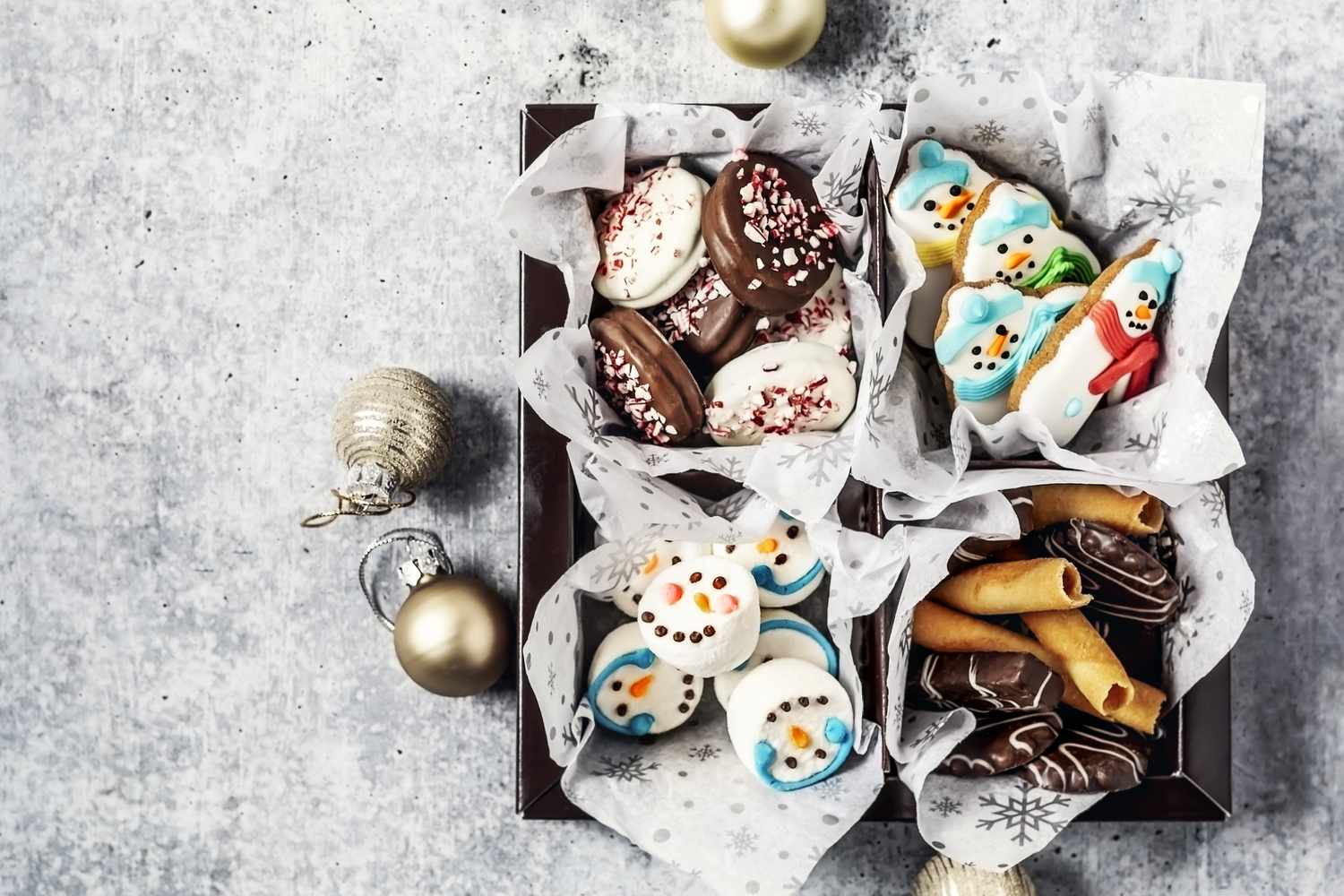
VanBeber: Limit the sweets you eat. I think this is the hardest part about the holidays. We are given sweet treats as gifts and they are just sitting on our counters.
To help limit the sweets, share the gifts you get with friends. I took a container of desserts across the street to my neighbor the other day—they have kids who will enjoy them.
If you happen to love the sweet treats you received and don’t want to give them away, bag them up into smaller portions and freeze them. This will help you stretch how long these treats last and you won’t eat as much at one time. Also, keep the sweet treats off the counter. If they are out of sight, you will be less tempted to graze on them.
If you are at a party where there are a lot of sweets, don’t stand near the table. Make a conscious effort to keep a distance. You can also fill your plate with other foods such as vegetables, fruits, or proteins.
To avoid overeating at a party, don’t stand around the food table while talking with friends. Position yourself farther away to avoid constant eating. Instead of filling a plate to the brim with food, choose smaller bites and put them on a napkin.
What Should I Do Before an Event?
Be sure to eat a meal or snack that contains a good amount of protein and healthy fats to fill you up. You may be less tempted to eat as many sweets if your body is satisfied.
Also, be sure not to be urgently hungry when you arrive at a party. When at home, plan meals based on good lean protein, vegetables, salads, legumes, and fruits. Add nuts and seeds for good fats and texture contrast. Be sure to eat a good breakfast (or whatever your first meal is) that has protein.
What About Beverages?
Choose beverages that are lower in calories, such as water, tea, sparkling water, or light wine or beer. Limit sugary drinks. If you do drink alcohol, have a glass of water in between alcoholic drinks.
Having a healthy drink in hand can also help you eat less, since holding a cup will occupy your hands. Flavored water or water with lemon or lime will also help satisfy urges to overeat.
What Other Habits Can Help?
Try not to eat much later in the evening. A full stomach will interfere with good sleep.
Also, wherever you are, walk. Walking after a meal helps with digestion. If you’re at a party, stand and walk around. After eating at a restaurant, do some walking near there if possible. Walk around the block at home after dinner, or walk after lunch when the sun is out.
:max_bytes(150000):strip_icc()/FE3F9AD2-9085-40B8-8E8E-AF95656B0B37-048bcc651b0f4063b40038d3df45e712.jpeg)