

Key Takeaways
- Elderberry may help support your immune system and shorten the duration of colds or ease symptoms.
- Most research indicates that elderberry does not consistently lower blood sugar levels.
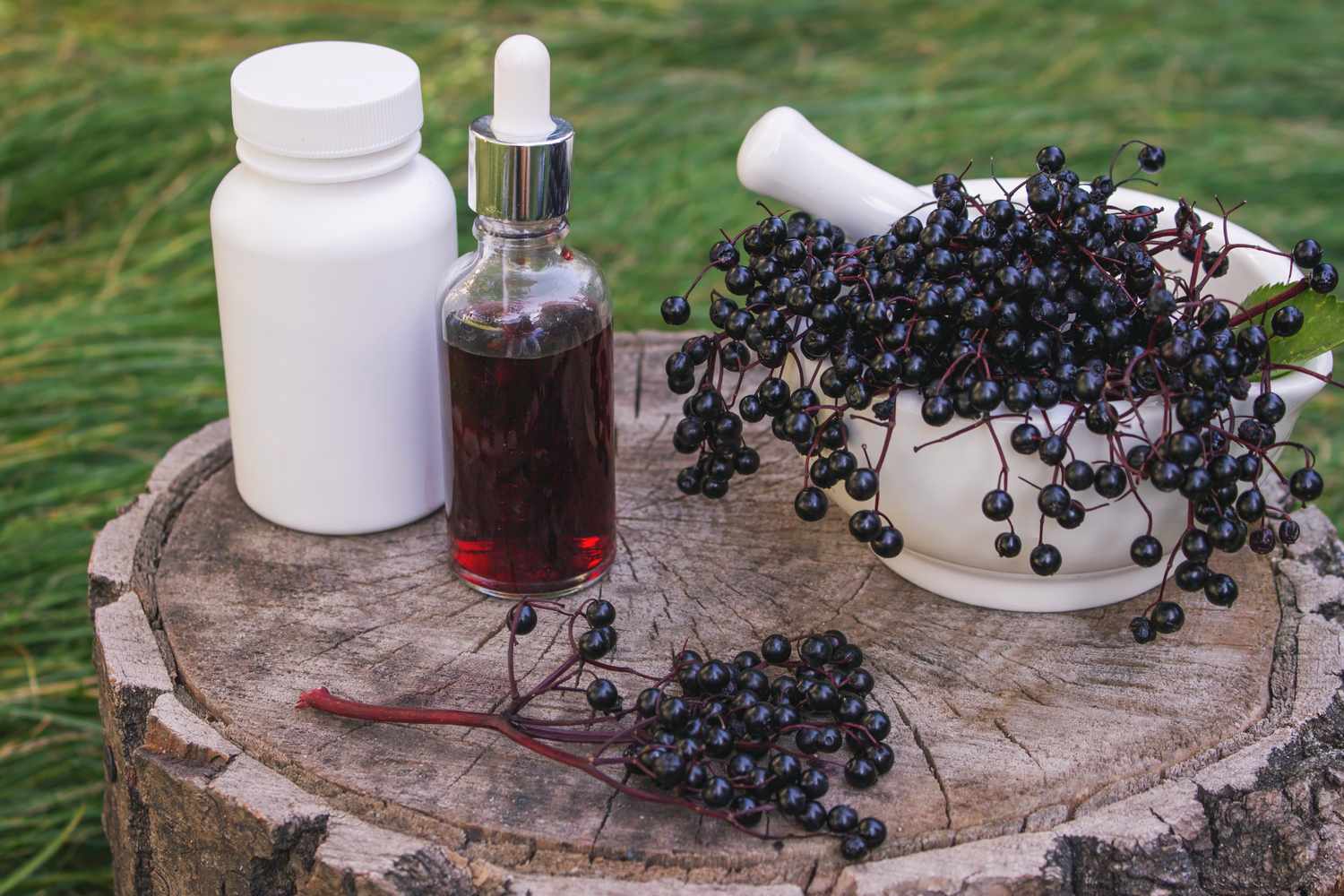
Elderberries have a rich history in traditional medicine, particularly for relieving cold and flu symptoms. Now, elderberry syrups, capsules, and extracts remain popular as go-to immune supplements. However, the evidence is less clear for its effect on blood sugar.
Can Elderberry Lower Blood Sugar?
Early research suggests that elderberry supplements may have a modest effect on blood sugar levels, but human evidence is still limited.
In theory, compounds in elderberries may help the body handle sugar more efficiently by slowing carbohydrate breakdown, improving how muscles and the liver take up glucose, and supporting insulin production.
However, human trials have been small and have yielded mixed results. For example, regularly drinking elderberry juice has helped some people keep their blood sugar more stable after meals. But the overall evidence doesn’t consistently show changes in blood sugar or insulin.
It’s important to note that elderberry supplements shouldn’t replace diabetes medications, and until more research is done, they aren’t suitable for managing blood sugar.
How Might It Support the Immune System?
Elderberry is most widely recognized for its potential immune-supporting effects.
Compounds in the berries, including anthocyanins and other flavonoids, may help activate key immune cells and support the body’s ability to respond to infections and regulate inflammation.
Due to this, elderberry syrups and supplements are often taken at the first sign of a cold or flu.
Some research suggests they help shorten the duration of these illnesses and reduce symptom severity.
In one study, people taking elderberry had colds that lasted about two days less on average and reported milder symptoms than those taking a placebo.
However, overall, the evidence on the effectiveness of elderberry in treating colds or the flu is mixed and insufficient to draw firm conclusions.
Other Potential Health Benefits
Elderberry may offer a few additional benefits beyond blood sugar, immunity, and cholesterol, but most of the research is still early or based on small studies.
Antioxidant support
Elderberries are rich in anthocyanins—plant pigments that act as powerful antioxidants. These compounds help protect cells from oxidative stress, a process linked to various long-term health conditions.
While this suggests elderberry may play a role in supporting overall health, researchers still aren’t sure how significant these antioxidant effects in elderberry supplements are in humans.
Anti-inflammatory effects
Some studies suggest elderberry may help lower certain inflammation markers in the body.
In healthy adults, elderberry supplements have been shown to reduce specific inflammatory markers, and in older adults, supplements that included elderberry improved measures like C-reactive protein and white blood cell counts over the course of a month.
While this could support overall health, the evidence is still limited, and it’s unclear how these small shifts translate to meaningful real-world benefits.
Safety Considerations
Most studies use around 500–1,000 mg of elderberry extract per day, or a similar amount in juice.
Elderberry supplements are generally considered safe for short-term use; however, it is recommended to consult your doctor before making any significant changes to your health routine.
Possible short-term side effects include:
- Mild stomach upset
- Nausea
- Diarrhea
It’s also important to avoid raw elderberries, leaves, and stems—they contain naturally occurring compounds that can make you sick if they’re not cooked.
:max_bytes(150000):strip_icc()/MorganPearsonHeadshot-f4e60d46bf1841febdcce502314aa6d6.JPG)