

Key Takeaways
- Drinking hojicha may make you feel more mentally alert and improve your concentration.
- The aroma of hojicha could boost your mood and reduce feelings of tension and anxiety.
- Flavanoids in the tea may boost your heart health.
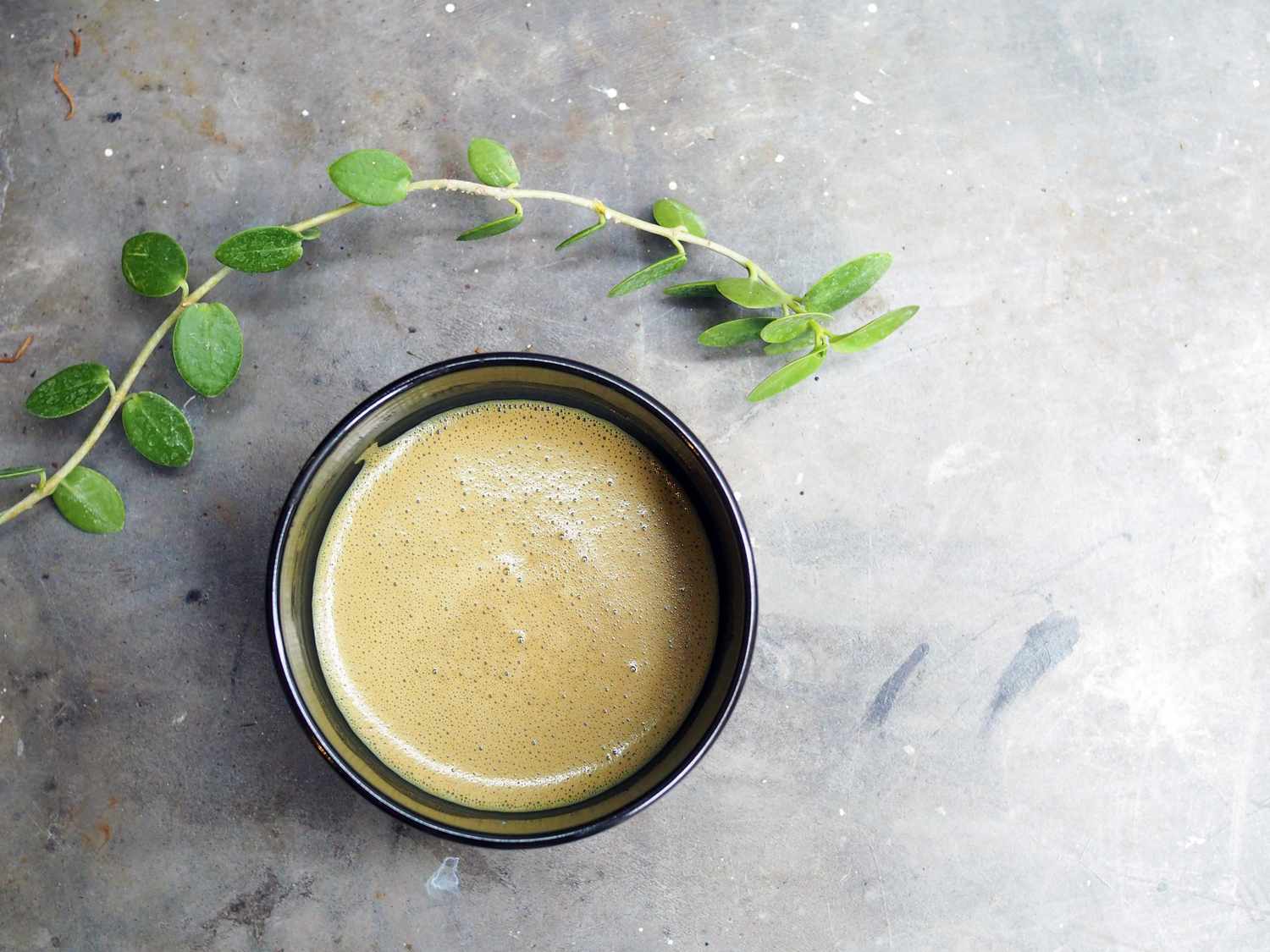
Hojicha is made from roasted green tea leaves. The drink is reddish-brown, has a distinctly nutty aroma, and tastes less bitter and acidic than green tea.
1. You May Feel More Mentally Alert
Drinking hojicha may increase mental alertness, improve concentration, and help you solve mental tasks more quickly and accurately.
In one study that compared drinking hojicha, green tea, and hot water, participants were asked to perform math puzzles. The hojicha group had a significantly higher response rate and correct responses. Both tea groups performed better on the math puzzles than the hot water group.
Because hojicha contains relatively little caffeine, scientists theorized that this benefit may actually be due to compounds found in its aroma.
2. You Could Feel More Refreshed
Feeling refreshed, relaxed, and less fatigued is a common effect of green tea; however, it happens by a different mechanism in hojicha than in non-roasted green tea.
The L-theanine, epigallocatechin gallate (EGCG), and caffeine in green tea are responsible for its stress-reieving effects. However, hojicha loses significant amounts of those compounds during roasting.
Instead, hojicha’s ability to make you feel refreshed may come from pyrazine, a compound found in high levels and produced during roasting. Pyrazine gives hojicha its distinctive aroma and is associated with relieving fatigue and relaxation.
3. You May Enjoy the Flavor, and Drink More as a Result
Hojicha is known for its slightly nutty and “roasty” aroma, which is produced by roasting green tea leaves at 320 to 356 degrees Fahrenheit for 15 to 30 minutes. Roasting green tea leaves produces pyrazine, contributing to hojicha’s pleasant aroma and flavor.
Many people avoid drinking green tea because they think it tastes bitter or astringent. Hojicha offers an alternative that is more palatable and less bitter. If you enjoy the flavors and smells of hojicha, you may consume more of it than green tea.
4. Your Sleep May Not Be Affected
Hojicha contains some caffeine, but unlike green tea, it may not contain enough to affect your sleep. This is because the roasting process reduces the caffeine levels in the tea leaves.
Compare the amount of caffeine found in hojicha versus matcha, in a 12-ounce (oz) cup:
- Hojicha: 8 milligrams (mg) of caffeine
- Matcha: 38 to 178 mg of caffeine
Many people drink hojicha late at night, before bed, and still sleep well. In Japan, where it originates, hojicha is often served to children because of its lower caffeine content.
5. Your Mood Could Get a Boost
Drinking hojicha, or even smelling it, could boost your mood.
One study compared the effects of the aromas of hojicha and hot water. Compared to the hot water group, participants who smelled hojicha reported significantly improved mood and feelings of comfort and significantly less tension and anxiety.
The researchers theorized that these mood benefits were due to the pyrazines found in the aroma of hojicha. They suggested that the pyrazines increased parasympathetic nervous system activity (rest and digest) while suppressing sympathetic nervous system activity (fight or flight), resulting in a better emotional state.
6. Your Heart Health Might Improve
It’s possible that regularly drinking hojicha could improve your heart health.
Flavonoids, an antioxidant found in green and black teas, may play a role in reducing cardiovascular risk factors. Research has found that tea may:
- Improve endothelial function (the inner lining of blood vessels)
- Lower blood pressure
- Lower LDL cholesterol
However, due to the effects of roasting, hojicha contains different antioxidant levels and healthy compounds than green tea. More research on hojicha specifically is needed to confirm its heart health benefits.
Hojicha Nutrition
Hojicha contains virtually no calories or macronutrients (e.g., fat, carbohydrates, protein, or sugar).
It is rich in pyrazine, an aromatic compound produced during the roasting process that lends its “roasty” scent and some of its health benefits.
Hojicha also contains antioxidants and micronutrients, such as:
Who Should Avoid Hojicha?
Most people should have no ill effects from drinking hojicha. However, the following groups should avoid it:
- Caffeine sensitivity: Although hojicha contains less caffeine than matcha or green tea, it still contains a small amount. If you’re overly sensitive to caffeine, you may want to limit your hojicha consumption.
- Allergy: Green tea allergies are relatively rare. However, if you are allergic to green tea, you should avoid hojicha since it is made from roasted green tea leaves.
- Beta-blockers: It’s uncommon, but there have been some reports of green tea (at high doses) interacting with beta-blocker medications used to treat high blood pressure or heart conditions. Because hojicha is a type of green tea, it’s worth discussing with your healthcare provider before significantly increasing your drinking.
:max_bytes(150000):strip_icc()/headshotverwell-1334973c32f9429493c7979e6384b8ff.jpg)