

Key Takeaways
- A baked sweet potato with cheese can be a balanced, satisfying snack thanks to its mix of fiber, protein, and fat.
- Portion size and cheese choice matter—a little goes a long way for health benefits without excess saturated fat or sodium.
- Simple tweaks, like adding vegetables or using less cheese, can make the snack even more nutritious.
When TikToker Courtney Cooke shared her baked sweet potato stuffed with gooey American cheese, the snack quickly went viral. Many people are wondering whether this cheesy potato moment is actually good for you. Dietitians say yes with a few important caveats.
You’ll Get a Nutritionally Dense Snack
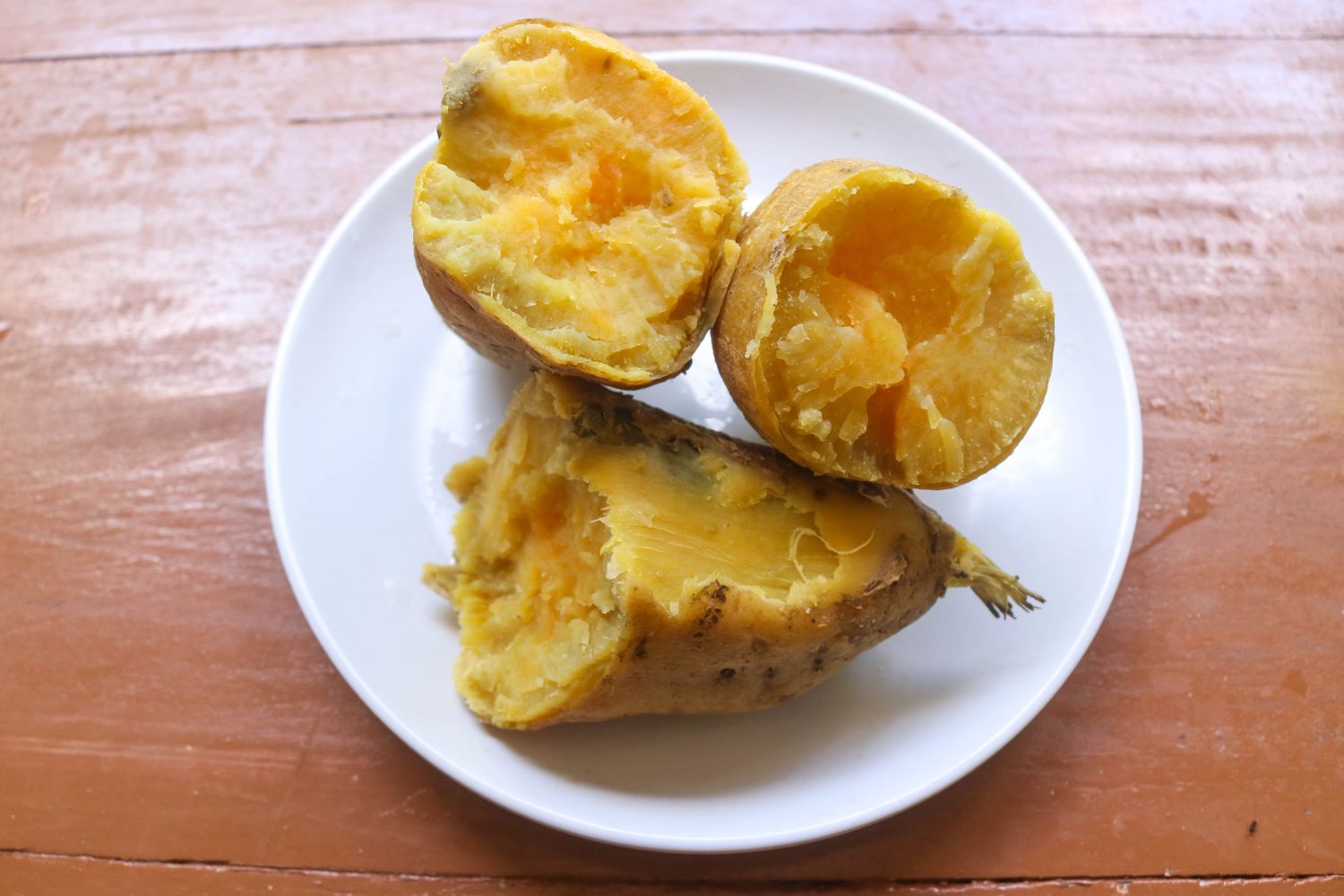
Sweet potatoes pack a nutritional punch, said Kristen Carli, MS, RD, a registered dietitian at WOWMD. One medium baked sweet potato includes:
- Calories: 103
- Protein: 2.3 grams (g)
- Fat: 0.2 g
- Carbohydrates: 23.6 g
- Fiber: 3.8 g
It also supplies nutrients like potassium and beta carotene, which the body converts to vitamin A, Carli added.
Add in cheese, and you introduce protein and fat, she said. One slice of American cheese includes:
- Calories: 37.8
- Protein: 5 g
- Fat: 1.5 g
- Carbohydrates: 0.7 g
Protein, Fiber, and Fat Give You Sustained Energy
This viral snack offers more than just comfort.
“The cheesy baked potato works nutritionally because it includes both protein and fiber,” said Lindsey Schoenfeld, RDN, a registered dietitian nutritionist and co-founder at To Taste. “These help [prevent] people from experiencing a crash in energy.”
The fiber in sweet potatoes slows how quickly carbohydrates are absorbed, while the protein in cheese helps moderate the body’s blood sugar response. Together, this reduces sharp spikes and crashes that can lead to fatigue or cravings later on.
Protein and fat take longer to digest than carbohydrates alone, which helps you feel fuller for longer.
Micronutrients Support Your Health
Sweet potatoes provide key micronutrients like beta carotene, which supports eye and immune health, and potassium for muscle and nerve function, while cheese contributes calcium and protein that supports bone health and satiety.
“It’s not complicated. It’s enjoyable and realistic,” Schoenfeld said. “It’s a plant-forward snack that doesn’t require a complicated recipe or difficult ingredients.”
Is It Actually Healthy?
Overall, yes, this can absolutely be a healthy snack. The main concerns revolve around portion size and cheese selection.
“Portion size is important,” said Schoenfeld, particularly for the cheese. “Aim for 1 to 1.5 ounces per serving, roughly the size of two dice.”
Cheese should complement your dish rather than dominate it, she added. Eating large amounts of cheese regularly can increase saturated fat and sodium intake, which may crowd out other nutrients.
Carli recommended choosing low-fat options, such as cottage or Swiss cheese, or simply eating this snack in moderation.
To boost nutrition even further, Schoenfeld suggested adding vegetables like broccoli or spinach, or lean protein. “Slice the potato lengthwise, press spinach or broccoli into the cut sides, sprinkle with cheese, and top with another potato slice,” she said.
:max_bytes(150000):strip_icc()/KFheadshot-9fe00fcb29c24a589a05cb7dea9ca150.jpeg)