

:max_bytes(150000):strip_icc():format(jpeg)/VWH-GettyImages-1328638460-57e725a25765423c991de804eba9b43d.jpg)
Some foods are associated with better happiness, as certain nutrients help the brain and body function in ways that support mood regulation. Some help the body produce neurotransmitters such as serotonin and dopamine, while others reduce inflammation or support steady blood sugar, all of which are linked to mood.
A balanced, varied diet including these foods may support mood over time, but no single food can prevent or treat depression or anxiety.
1. Fatty Fish
SimpleImages / Getty Images
Fatty fish such as salmon, sardines, and trout contain nutrients that support brain structure and function, which may play a role in mood regulation over time. Research consistently shows that people who eat fish more regularly tend to have a lower risk of depression compared with those who eat it less often.
Fatty fish also provides omega-3s, protein, and vitamin D that support overall brain health.
2. Dark Chocolate
M-Production / Getty Images
Regularly eating small amounts of dark chocolate may support mood in some people.
Research suggests that dark chocolate with a higher cocoa content may help reduce negative feelings, such as stress or irritability, rather than increasing positive mood. These effects appear to be linked to compounds in cocoa and how they interact with the gut and brain over time.
Dark chocolate also contains cocoa polyphenols that act as prebiotics, meaning they help support gut bacteria that communicate with the brain.
3. Bananas
Tatiana Volgutova / Getty Images
Bananas have been linked to better mood and overall mental well-being in some people.
In a cross-sectional study of young adults, for example, those who reported eating bananas more often also reported better mental health across several measures, including fewer depressive symptoms and higher positive mood and life satisfaction.
This was an observational study, however, meaning it can’t show that bananas directly improve mood. However, the findings suggest that bananas—when eaten as part of a diet that includes raw fruits and vegetables—may be associated with better emotional well-being.
4. Fermented Foods
Aamulya / Getty Images
Fermented foods, such as yogurt, kefir, kimchi, and sauerkraut, are being studied for their potential effects on mood through the microbiota–gut–brain axis: the communication network connecting the gut, immune system, and brain.
A large scientific review explains that fermented foods act as a whole-food approach to influence gut microbes and the compounds they produce. This may affect signaling pathways involved in brain function and emotional regulation.
Overall, the review concludes that fermented foods show promise for supporting gut–brain communication, but more well-designed human studies are needed to determine whether they reliably improve mood.
5. Nuts and Seeds
Randy R A Gibbs / Getty Images
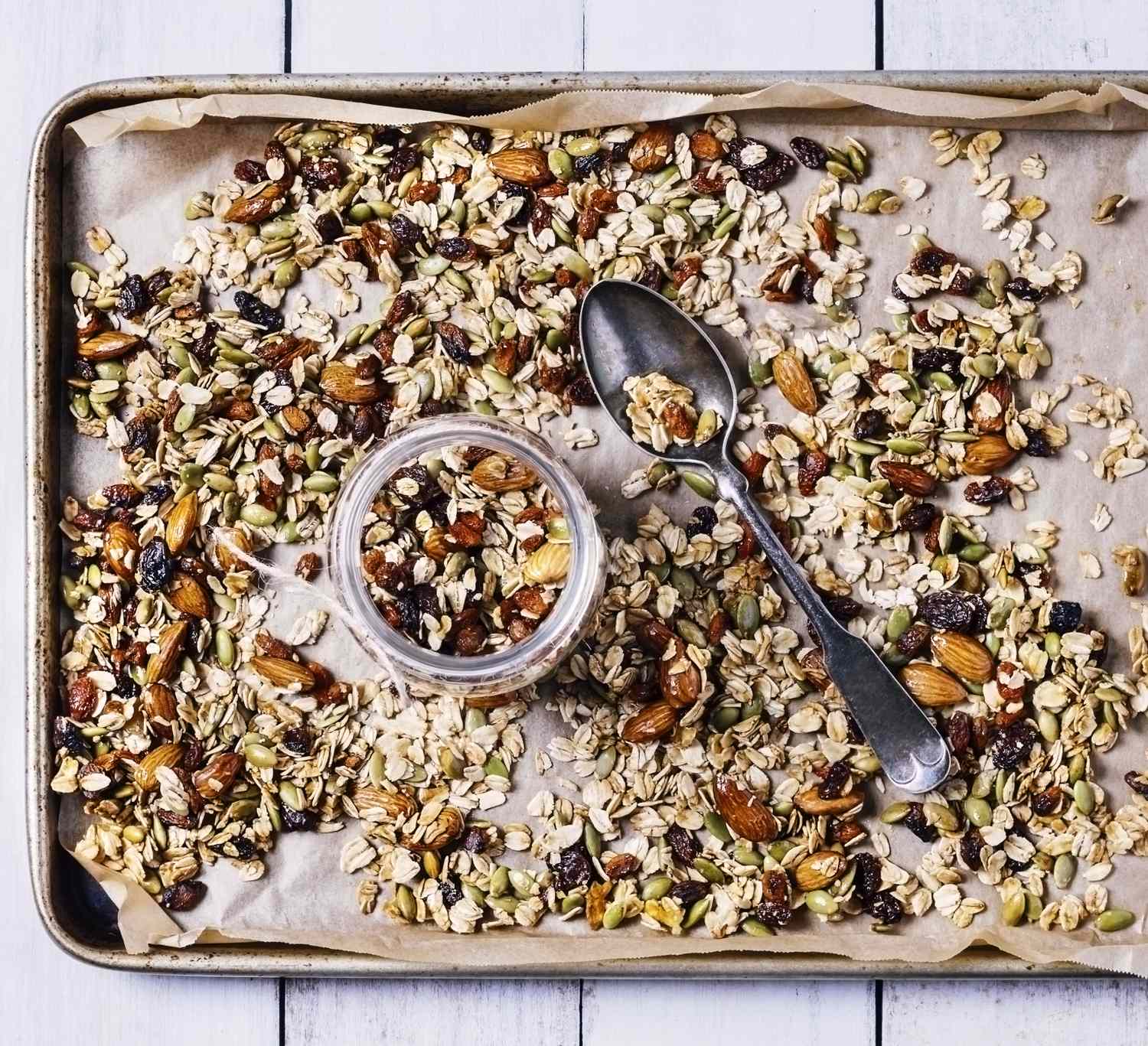
Nuts and seeds have been linked to a lower risk of depressive symptoms in large population studies. In a meta-analysis of seven observational studies including more than 70,000 adults, people who ate nuts more frequently had a lower chance of reporting depressive symptoms compared with those who rarely ate them.
Benefits were most consistent when nuts were eaten at least three times per week. Overall, the findings suggest that regularly eating nuts may be part of dietary patterns associated with better mood, though more research is needed to determine cause and effect.
6. Whole Grains
photo1 / Imazins / Getty Images
Whole grains, such as oats, brown rice, and whole-wheat bread, may be linked to better mood compared with refined grains. In a large review of studies, researchers found that people who ate more whole grains often had fewer symptoms of depression and anxiety, although results were not always consistent.
Overall, whole grains may support mood as part of a healthy diet, but more high-quality studies are needed.
7. Leafy Green Vegetables
wmaster890 / Getty Images
Leafy greens (like spinach and kale) may support mental health as part of an overall produce-rich diet.
A systematic review of 61 observational studies found that higher intake of fruits and vegetables—including leafy greens—was often associated with fewer depressive symptoms and less psychological distress. Some studies specifically pointed to leafy greens as a potentially helpful subgroup.
Overall, eating more leafy greens may be one simple way to support mood.
8. Eggs
User44916d0b_828 / Getty Images
Eating eggs regularly has been linked to having a lower risk of depressive symptoms in older adults.
In a large, long-term observational study of more than 8,000 adults ages 60 and older, researchers followed participants for about six years and tracked diet and mental health over time.
People who ate eggs weekly were less likely to report depressive symptoms. Eating three or more eggs per week was linked to the lowest risk, and each additional egg per week was associated with a small reduction in risk.
What to Keep in Mind
These foods may support mood, but they are not a substitute for mental health treatment. Mood disorders such as depression and anxiety are complex and influenced by genetics, stress, sleep, and life circumstances.
Eating a varied, balanced diet that includes these foods may support emotional well-being over time. If mood changes are persistent or interfere with daily life, work with a healthcare provider to help determine the right next steps.