

Key Takeaways
- Quitting caffeine suddenly can lead to caffeine withdrawal.
- Symptoms of caffeine withdrawal include headache, sleepiness, and feeling slow or sluggish physically, mentally, or both.
- Cutting back slowly, drinking plenty of water, and eating healthy foods can help with the symptoms.
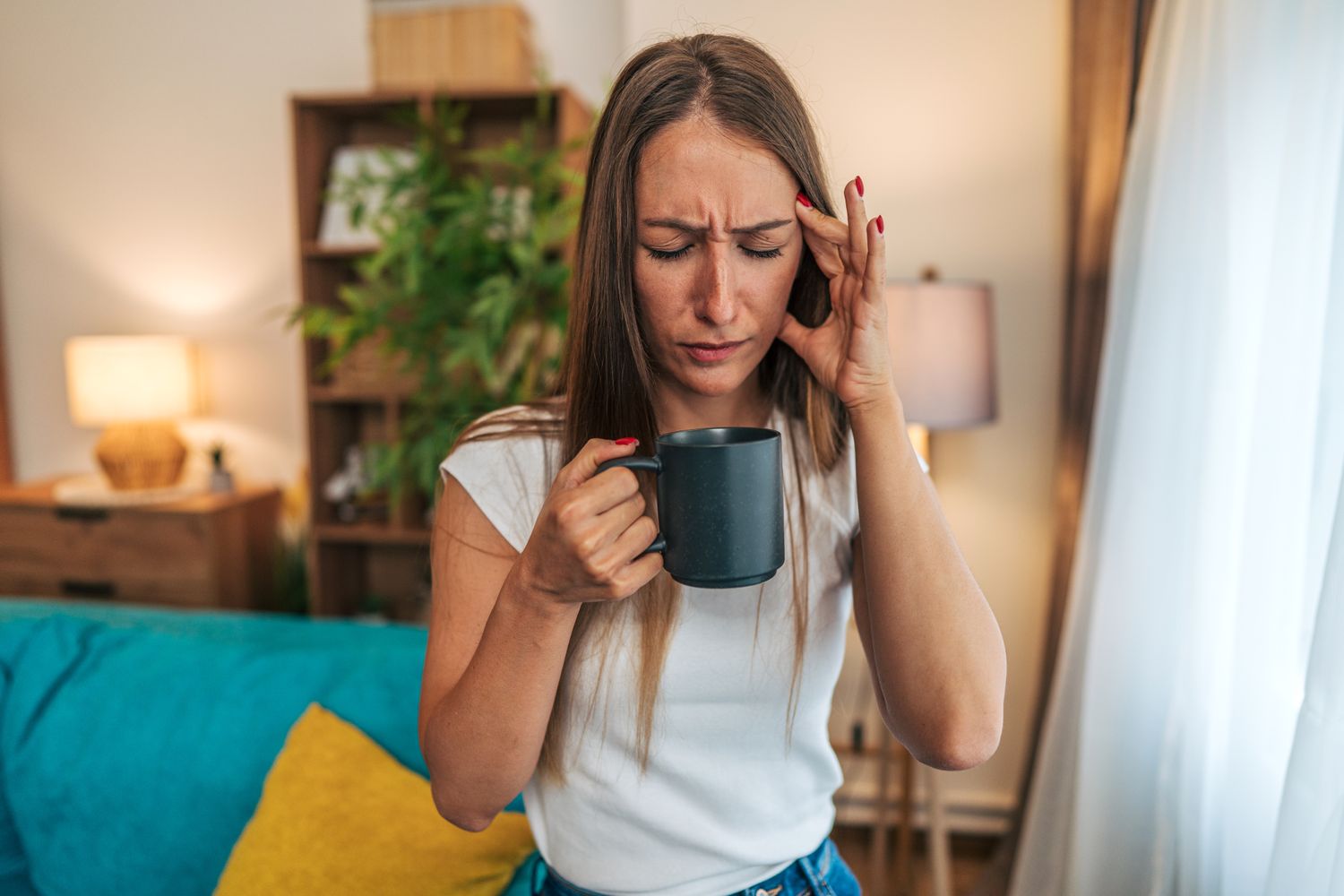
When you stop caffeine suddenly, your brain goes through withdrawal. This can lead to feeling ill, with symptoms such as sleepiness, physical fatigue, headache, and more. Negative effects of caffeine withdrawal can be minimized by decreasing caffeine slowly over time and making healthy lifestyle choices.
Quitting Caffeine Suddenly Leads to Withdrawal Symptoms
The majority (93%) of American adults consume caffeine, but most underestimate or are unaware of the safe amount. While there are benefits to decreasing or discontinuing caffeine, there are also side effects associated with stopping too fast.
Caffeine consumption and quitting follow a pattern:
- Caffeine blocks receptors in the brain so they don’t make adenosine, which increases sleepiness.
- Using caffeine regularly builds a tolerance, so more caffeine is needed to feel awake and alert.
- Quitting caffeine suddenly creates too much adenosine, leading to headaches and other symptoms.
- The body adapts to functioning without caffeine, and symptoms subside.
Symptoms of Stopping Caffeine Suddenly
Half of the people who quit caffeine suddenly experience headaches, and 13% experience distress or functional impairments.
Caffeine Withdrawal Symptoms
- Achy muscles
- Brain fog
- Concentration challenges
- Difficulty functioning
- Headache
- Irritability
- Mood challenges
- Nausea
- Physical fatigue
- Sleepiness
These symptoms typically go away on their own within a week or two. Additionally, there are ways to prevent symptoms when quitting caffeine.
How Much Is Too Much Caffeine?
Recommendations suggest that adults consume 400 milligrams (mg) of caffeine per day or less. That may be about two or three small cups of coffee.
However, some large cups of coffee have over 400 mg in just one cup.
Caffeine in Drinks
- Herbal teas and “caffeine-free” drinks do not contain caffeine.
- Decaf drinks still contain caffeine, but in lower amounts.
- Chocolate, including hot chocolate and chocolate milk, has caffeine.
- Black tea and matcha tend to have more caffeine than green tea.
- Some energy drinks have more than 300 mg of caffeine.
Benefits of Quitting Caffeine
There are risks associated with drinking too much caffeine, especially with long-term overuse.
- Mental Health: Too much caffeine can increase symptoms of jitteriness and anxiety. After adjusting to less or no caffeine, the mood can stabilize.
- Sleep: Consuming caffeine later in the day can cause difficulty falling asleep, staying asleep, and getting sufficient quality sleep. Reducing caffeine intake improves sleep quality and duration.
- Heart health: Caffeine reduction can lower blood pressure, but may also increase the risk of specific heart health concerns, such as atrial fibrillation.
- Digestion: Reducing caffeine intake can enhance nutrient absorption and alleviate specific digestive symptoms, including discomfort and diarrhea.
- Dental: Excessive caffeine consumption is associated with teeth grinding. Additionally, coffee and tea can stain teeth, and their acidity can harm enamel. Quitting caffeine can help to preserve teeth,
- Financial: Some forms of caffeine, such as specialty coffee drinks, can be expensive. When consumed daily or multiple times a day, this cost adds up. Reducing or quitting can lead to significant savings.
How to Prevent Caffeine Withdrawal
Despite the challenges of quitting caffeine, there are ways of preventing and managing the symptoms of caffeine withdrawal, such as exercise and mental health support.
- Avoid sugar and processed foods.
- Drink plenty of water.
- Eat well-balanced meals that are rich in nutrients.
- Exercise daily, and preferably in the morning or early afternoon.
- Practice stress-management techniques,
- Prioritize getting enough quality sleep each night.
- Reduce caffeine gradually by choosing a smaller size, drinking one less cup, or mixing half regular and half decaf.
- Work with a mental health professional for support with mood, alertness, and other related issues.
Do I Need to Quit Caffeine?
Consult with your healthcare provider to determine if you should discontinue or reduce your caffeine intake.
Your provider may recommend decreasing caffeine if you:
- Are under 18 years of age.
- Are pregnant or nursing.
- Drink more than 400 mg of caffeine per day regularly.
- Experience anxiety or other mental health challenges.
- Experience digestive discomfort, acid reflux, or chronic diarrhea.
- Take certain medications such as blood thinners and thyroid medications.
- Have difficulty falling asleep, staying asleep, or getting a good night’s sleep.
:max_bytes(150000):strip_icc()/AshleyOlivine-e60b0f7c436248b1ad12bd7a0b8ddc98.jpg)