

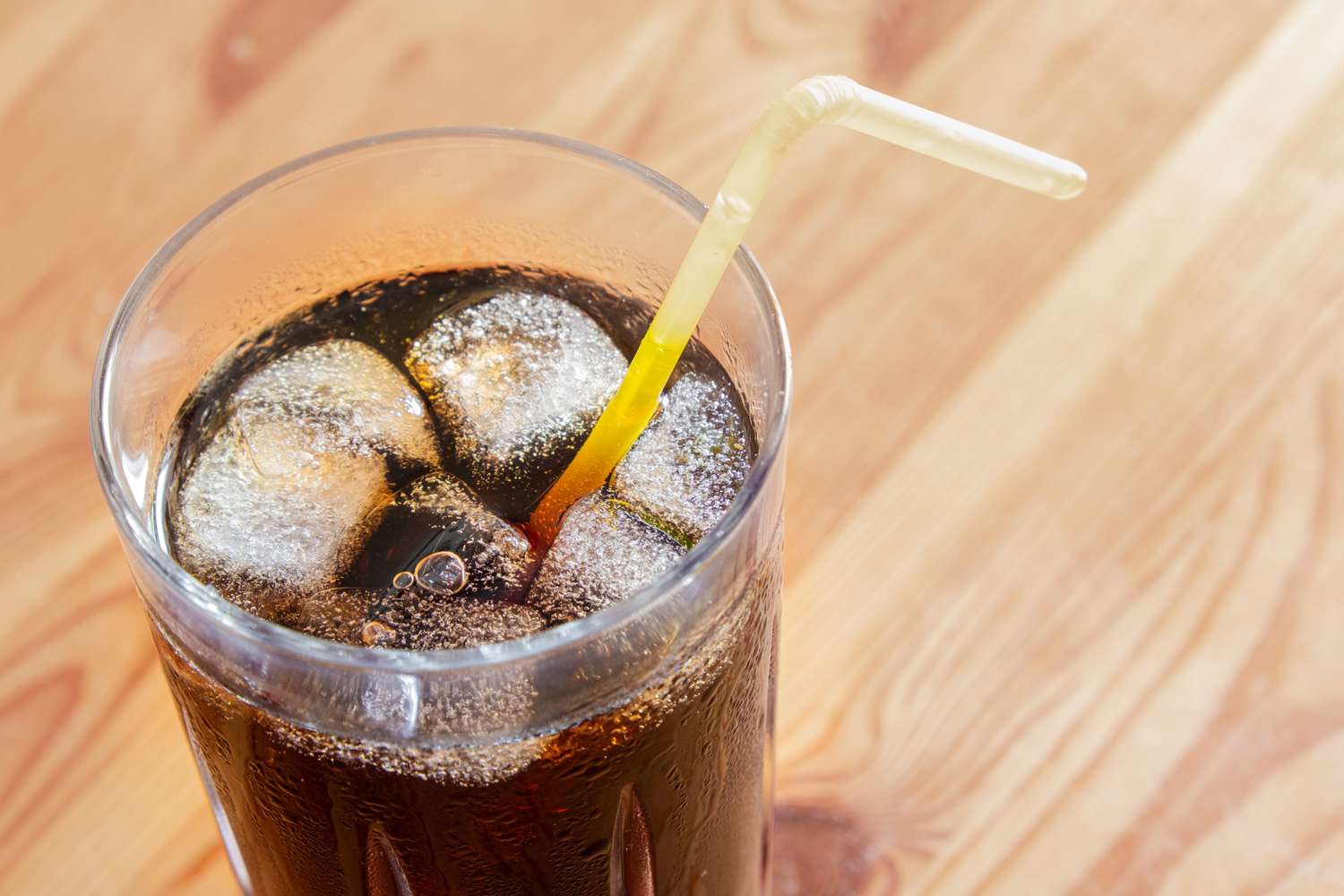
Diet sodas do not cause liver injury in the same way that alcohol, viral hepatitis, or certain toxic drugs can, but they can contribute indirectly to metabolic dysfunction-associated steatotic liver disease (MASLD) if consumed in excess. This may be due to artificial sweeteners in the drinks, or to patterns of eating associated with high diet soda consumption.
1. Your Gut Microbiome May Change
Artificial sweeteners like aspartame, sucralose, and saccharin can disrupt the balance of “good” and “bad” gut bacteria (known as gut dysbiosis), especially when consumed in excess.
With gut dysbiosis, harmful bacteria can damage intestinal tissues, which start to leak. This allows inflammatory substances (like lipopolysaccharides) to seep into the bloodstream. These substances can cause liver inflammation as they pass into the liver via the portal vein.
Chronic liver inflammation is a major risk factor for MASLD (formerly known as nonalcoholic fatty liver disease or NAFLD). In this condition, fat accumulates in the liver, leading to progressive scarring and liver injury.
2. Your Insulin Response May Change
Artificial sweeteners in diet soda can sometimes cause spikes in insulin (the hormone that regulates blood sugar). Over time, excessive consumption can lead to insulin resistance, in which the body becomes less responsive to insulin, causing blood sugar levels to rise.
Insulin resistance is a major risk factor for MASLD, caused when high blood sugar progressively damages the liver, allowing fat to accumulate at injury sites. The risk is greatest in people with obesity and is worsened in people with pre-existing type 2 diabetes.
Although study results are mixed, some have shown a significant association between insulin resistance and long-term use of artificial sweeteners like sucralose and aspartame. More research is needed.
3. Your Appetite and Calorie Intake May Increase
Drinking diet sodas regularly can cause some individuals to consume more calories, whether or not they are conscious of it. There are both biological and behavioral reasons for this:
- Disrupted reward pathways: The calorie-free sweetness of artificial sweeteners doesn’t fully activate the brain’s reward system, leaving the brain unsatisfied. This can increase hunger pangs and cause you to seek even more sweetness from sugary foods.
- Insulin release: The sweetness of artificial sweeteners can trigger the release of insulin, but without actual sugar to satisfy hunger pangs—leaving you craving real sugar for energy.
- Gut dysbiosis: Even low-level inflammation from a leaky gut can interfere with the brain’s ability to process satiety signals (feelings of fullness) or respond to the effects of ghrelin (the body’s “hunger hormone”).
These factors can directly lead to MASLD by causing overeating and obesity, or indirectly contribute by promoting insulin resistance.
4. Your Risk of MASLD May Increase
Although the association between artificial sweeteners and MASLD is not consistent—with some people being at greater risk than others—a 2025 study presented at the United European Gastrology Conference suggests that high consumption of sugar-free drinks may be nearly as bad for your liver as sugary drinks.
The 10-year investigation, involving 123,788 people initially without liver disease, found that drinking more than 330 grams (roughly 1.5 cups) of sugary or sugar-free beverages per day increased the risk of NAFLD by 60% and 50%, respectively.
This doesn’t necessarily mean that sugar-free drinks independently “cause” MASLD. Studies have shown that people who drink multiple diet sodas per day will often consume more processed foods than those who don’t, leading to obesity, insulin resistance, and other risk factors for MASLD.
As such, dietary habits associated with high intake of diet soda may be to blame for the increased risk, rather than diet soda itself.
4. Your Risk of MASLD May Decrease
The role of artificial sweeteners and MASLD is often contradictory. Some people—particularly those with obesity and metabolic syndrome—may have an increased risk of fatty liver disease; others may have the opposite effect.
With regular soda, typically made with high-fructose corn syrup (HFCS), the liver rapidly converts fructose into fat. The accumulation of fat (steatosis) contributes to the onset of MASLD and can also lead to severe conditions like cirrhosis and liver cancer.
Compared to regular soda, drinking diet soda can ease the burden on the liver if consumed in moderation.
Based on current research, drinking one can of diet soda per day poses minimal risk to your liver. With that said, people with obesity, uncontrolled diabetes, or pre-existing liver disease should speak with their healthcare provider to discuss what levels are acceptable.
:max_bytes(150000):strip_icc()/Denjay_photo-56f3c0ca5f9b5867a1cc4ccb.jpg)