

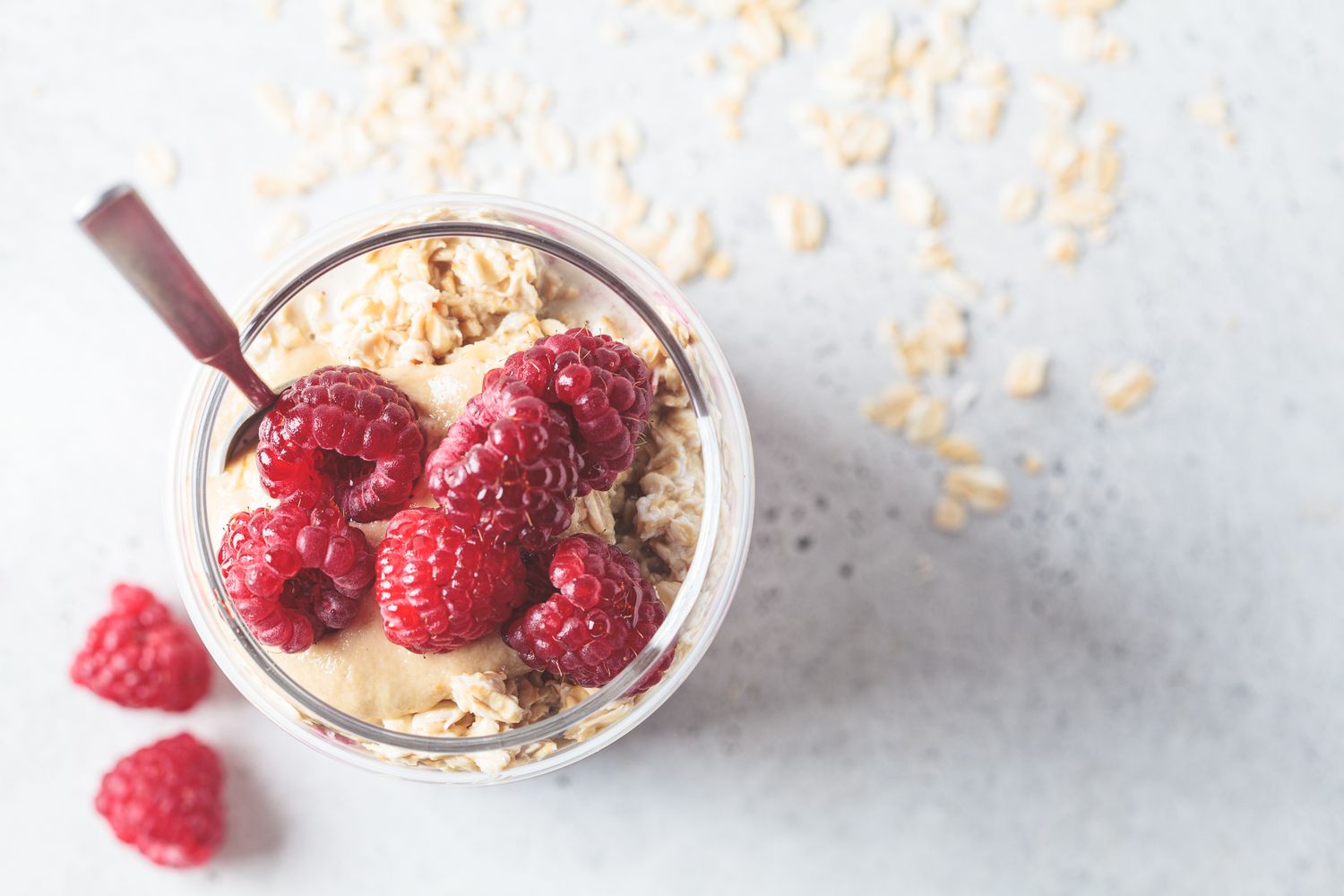
Oats are highly nutritious, but they often contain compounds that make it difficult for the body to absorb nutrients, or they are cooked in ways that result in nutrient loss. To ensure that you get the most nutrients possible, soaking them overnight can help in key ways.
1. Breaks Down Phytic Acid
Phytic acid is an antinutrient, which means that it makes it harder for the body to absorb minerals from the foods you eat that contain it.
Oats contain phytic acid. As an antinutrient, this phytic acid affects how the body can absorb the iron and zinc in oatmeal when it is cooked normally.
When you soak oats overnight, the absorption of these minerals improves by roughly 3-12 times, according to research.
Nutrients Affected by Phytic Acid
The nutrients found in oats that are most affected by phytic acid are iron and zinc. Phytic acid can also affect how you absorb:
- Magnesium
- Calcium
- Manganese
2. Preserves Nutrients
Oats contain nutrients that are sensitive to heat. When you boil oats to make oatmeal, levels of these nutrients can decrease. As a result, when you eat them, your body gets less of the nutrients that were boiled out.
For example, high-heat cooking can degrade the oats’ soluble fiber, which is essential for digestion. Boiling can also reduce other vital nutrients, including B vitamins.
Skipping the cooking by making overnight oats instead of hot oatmeal can help preserve the nutrients.
How Much of the Nutrients Are Lost in Cooking?
The amount of nutrients lost during cooking depends on the method. For example, boiling may result in less vitamin loss, whereas pressure cooking may result in more vitamin loss.
3. Enhances Digestibility
Some people may have difficulty digesting oats because they have high levels of beta-glucan, a fiber that your body doesn’t digest and that can help slow the digestion of food, too.
This fiber is often a benefit of eating oats, which have a low glycemic index (a measure of how fast carbohydrates raise blood sugar after you’ve eaten them). However, some people may experience digestive discomfort from the fermentation process that can occur in the gut after eating oats.
Soaking oats overnight can break down fibers that may be difficult to digest while hydrating and softening them, making it easier on the digestive system to eat them.
Benefits of Eating More Fiber
Eating enough fiber may help reduce the risk of developing chronic diseases, including:
- Heart disease
- Diabetes
- Some types of cancer
- Chronic constipation
- Chronic inflammation
4. Increases Resistant Starch
Compared to cooked oats, overnight oats are higher in resistant starch, a naturally occurring carbohydrate that is resistant to digestion in the small intestine.
The amount of resistant starch in a food can depend on how it is cooked. Using heat to prepare oats can reduce the amount of resistant starch.
Water content can also play a role, so soaking oats overnight can help retain resistant starch.
What Does Resistant Starch Do for Health?
Resistant starch has been shown to improve your health in various ways, including:
- Improving digestion
- Reducing blood sugar spikes
- Increasing feelings of fullness to prevent overeating
- Lowering the risk of colon cancer
- Lowering cholesterol
Other Health Benefits of Overnight Oats
Regardless of how you prepare them, eating oats may help improve your health in various ways. Research suggests that people who regularly eat oats can get benefits such as:
- Reduced risk of chronic disease
- Improved immune function
- Improved diversity of gut bacteria, promoting better digestive health
- Reduced risk of cardiovascular disease
- Better blood sugar control and metabolic health
:max_bytes(150000):strip_icc()/VerywellBioPicAngelicaBottaro-203f7e803ab444b2b5c13b4252d11159.JPG)