

:max_bytes(150000):strip_icc():format(jpeg)/VWH-GettyImages-957298240-baac19a169a14d308ef765f118d33b55.jpg)
Bitter greens such as kale, arugula, and dandelion may not taste sweet, but they can have powerful benefits for your digestive system. Eating them regularly can help strengthen your gut, improve gut health, and keep your digestion running smoothly.
1. Your Body Produces More Digestive Enzymes
The bitter flavor in these greens sends signals to special taste receptors in your mouth and gut. These receptors tell your body to start releasing digestive enzymes and stomach acid. These substances help break down the food you eat.
Stronger digestion means your body can absorb nutrients more effectively and move food through your digestive tract more easily.
Types of Bitter Greens
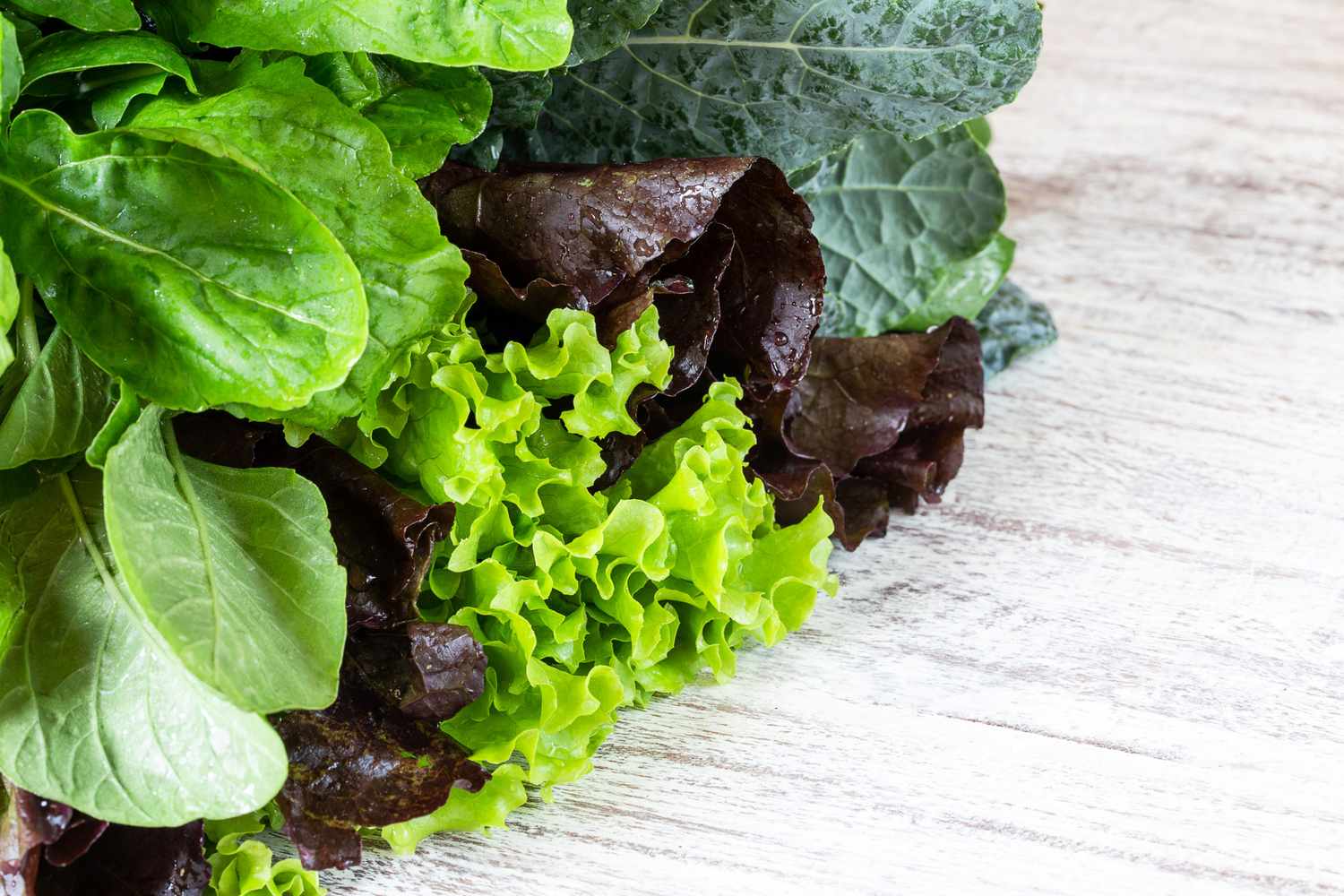
Bitter greens are leafy vegetables with a harsh, bitter flavor. They include several types of leafy greens. These include:
- Arugula
- Cabbage
- Dandelion greens
- Endive
- Kale
- Mustard greens
- Radicchio
- Turnip greens
- Spinach
2. You Get a Big Boost of Fiber
Most bitter greens are full of fiber, especially insoluble fiber. This type of fiber helps move food through your digestive tract and prevents constipation. It adds bulk to your stool, helping you stay regular. The more bitter greens you include in meals, the more smoothly things tend to move through your digestive system.
3. They Feed the Good Bacteria in Your Gut
Your digestive system is full of bacteria that help your body break down food, absorb vitamins, and fight off germs. Bitter greens contain prebiotic fibers, which are food for the healthy bacteria in your gut.
When these good bacteria multiply, they help improve digestion, reduce inflammation, and keep harmful bacteria away. A healthier gut microbiome (the community of microbes in the gut) can even support better mood and stronger immunity, because your gut and brain communicate closely.
4. Bitter Greens Help Reduce Bloating
Many people deal with bloating after large meals or certain foods. Eating vegetables, like bitter greens, gives your gut fiber that helps food move through your system, which may reduce bloating. Their fiber also helps prevent constipation, another major reason for belly discomfort.
5. Your Body Can Absorb More Nutrients
Leafy green bitter vegetables are full of fiber, antioxidants, vitamins, and minerals that help keep your gut healthy. The fiber feeds beneficial gut bacteria, which convert it into short-chain fatty acids. These substances help keep the gut lining strong and working properly, so your body can use nutrients more effectively.
Leafy greens also provide vitamins like A and C and plant nutrients that support overall health throughout the body.
6. Bitter Greens Help Balance Blood Sugar
Bitter greens are naturally high in fiber, which slows how fast sugar enters your bloodstream after you eat. This helps prevent big spikes and crashes in blood sugar that can leave you feeling tired, hungry, or nauseated.
Over time, steadier blood sugar levels also support a healthier mix of gut bacteria, since too much sugar in the digestive system can encourage less helpful microbes to grow.
7. They Provide Important Antioxidants
Bitter greens are packed with antioxidants, which help protect your gut lining from damage caused by highly reactive molecules in cells (free radicals), and inflammation. These antioxidants support your cells and help reduce irritation in your digestive tract.
8. They Make Your Meals More Satisfying
Because bitter greens support digestion, they can help you feel satisfied with less food. Their fiber fills you up, and their bitter compounds help regulate appetite hormones.
This can reduce overeating and support healthy weight management. A comfortable, well-balanced digestive system often leads to better overall eating habits.