

Key Takeaways
- There’s no proven best time to eat flax seeds, but incorporating them regularly can be beneficial.
- Flax seeds are best consumed when they’re freshly ground.
- Suggested serving size is 1-2 tablespoons of flaxseed per day based on research into the health benefits of flaxseed.
There isn’t strong evidence for a single best time to eat flax seeds. No matter when in the day you eat them, though, eating them regularly may help you unlock several potential and wide-ranging benefits.
Guidance for Eating Flax Seeds
Research has found that eating flax seeds throughout the day can maximize the benefits of flax seeds, particularly for stabilizing blood sugar and reducing the risk of type 2 diabetes.
These tips can also help you get the most effect:
- Eat the right amount: Aim to eat 1-2 tablespoons of ground flaxseed daily.
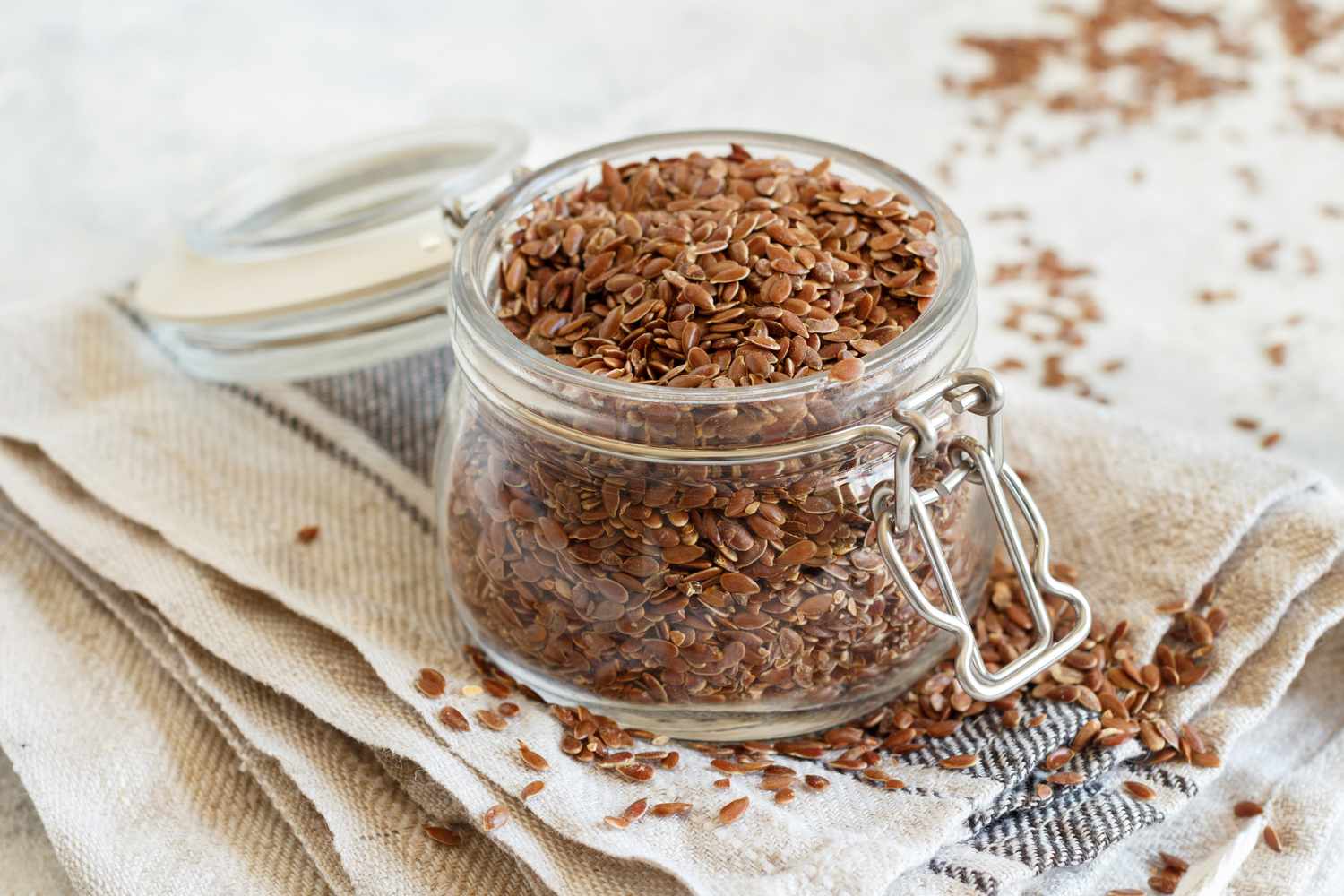
- Skip whole seeds: Consuming ground flax seeds is the most effective way to get their nutrients. Whole seeds are likely to pass through your digestive system without breaking down, meaning you likely won’t see many of the health benefits.
- Grind them yourself: Consider buying whole seeds and grinding them yourself with a coffee or spice grinder. The nutritional components of flax seeds can start to break down after grinding, so grind them when you’re ready to use them for the greatest impact.
- Store them properly: Whole seeds can be kept in the pantry. You can store ground flax seeds in the freezer to help preserve them if you don’t eat them right away.
- Consider amping up breakfast: Flax seeds are an ingredient in several cereals, and ground flax seeds can also be sprinkled over breakfast foods like pancakes, smoothies, and yogurt.
Benefits of Eating Flax Seeds Regularly
Helps With Healthier Blood Sugar Control
People with and without diabetes can both benefit from eating flax seed, which can help lower blood sugar levels, according to research.
Reduces High Blood Pressure and Cholesterol
Flax seeds are absolutely packed with healthy omega-3 fatty acids. Some research suggests that these seeds can reduce blood pressure and levels of LDL (“bad”) cholesterol, while increasing the level of HDL (“good”) cholesterol.
Eases Menopause Symptoms
If you’re experiencing hot flashes and other menopause symptoms, it may help to incorporate more flax seeds into your diet. One study found that consuming five grams of flax seed each day reduced the intensity or severity of menopause symptoms by about 8-10%.
Helps With Gut Regularity
Flax seeds are excellent for keeping your gut healthy, thanks in part to their high fiber content. Both ground flax seeds and flaxseed oil have been shown to reduce constipation symptoms.
May Improve Wound Healing
Flax seed has been associated with faster wound healing. One study found that consuming one gram of flaxseed oil significantly reduced the healing time of ulcers among people with diabetes.
Offers Anti-Cancer Properties
One of the most powerful impacts of flax seeds are their cancer-fighting properties from chemicals called lignans, which are powerful anti-inflammatories.
One study found that eating a muffin with 25 grams of flax seeds daily was associated with reduced tumor growth in women with breast cancer. Other research has shown that flax seeds may have a protective effect in men who are at risk for prostate cancer.
Nutrition Facts for Flax Seeds
Here’s the nutritional content of one tablespoon of ground flax seeds, equal to 7 grams (g).
| Flax seeds | |
|---|---|
| Calories | 37.4 |
| Protein | 1.28 g |
| Fat | 2.95 g |
| Monounsaturated fatty acids | 0.53 g |
| Polyunsaturated fatty acids | 2.01 g |
| Carbohydrates | 2.02 g |
| Fiber | 1.91 g |
:max_bytes(150000):strip_icc()/BurchHeadshotOutdoor-215a575f7ef34c52a908676f88bd9acb.jpg)