

Key Takeaways
- The HIV RNA test can detect the virus 10 to 33 days after exposure, earlier than most other HIV tests.
- The HIV RNA test is used to confirm a positive HIV screening test or when early infection is suspected.
- The test also is used to monitor viral load in a person living with HIV.
An HIV RNA test, also called a viral load test, is used to determine if a person has recently contracted the human immunodeficiency virus (HIV), to confirm a result from another HIV test, or to determine how much of the virus is in a person with a known HIV infection. The test examines a blood sample for genetic material (ribonucleic acid, or RNA) from the HIV virus.
While the HIV RNA test is able to detect the virus within a smaller window of time after exposure than other HIV tests, it is not often used for initial screening because it is expensive and offers only a minor time difference over the more often used antigen/antibody test.
Read on to learn why you might take an HIV RNA test, what to expect when you take it, and how it compares with other HIV tests.
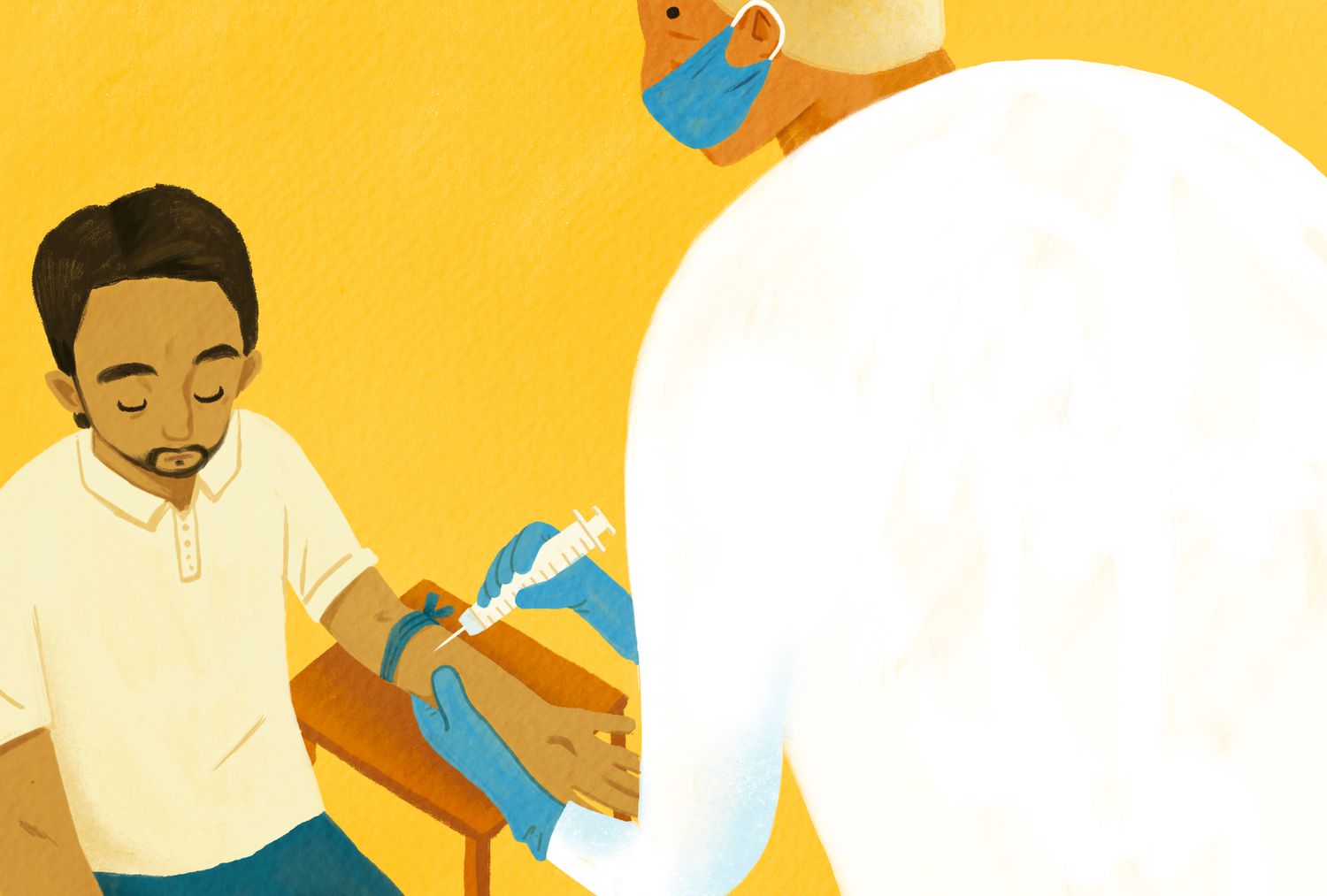
Illustration by Nez Riaz for Verywell Health
Why Take an HIV RNA Test?
This type of HIV test is not often used as an initial screening test but may be useful under certain circumstances.
Recent High-Risk Exposure
For individuals recently exposed to someone with HIV, the HIV RNA test can detect the virus sooner than other tests, specifically between 10 and 33 days after infection.
This test is useful for people who have had high-risk exposure and are experiencing symptoms.
HIV Confirmation Testing
An HIV RNA test can be administered to confirm the positive result of an HIV screening test (such as a rapid or home test). It can also be used to further evaluate a situation in which the patient’s antigen result was positive but the antibodies to HIV result was negative.
If your initial screening was done in a healthcare setting, you will likely receive a confirmation test automatically. Sometimes, another blood sample needs to be drawn.
Eliminate False Results
The HIV RNA test can also be used to eliminate false-positive HIV screening test results. These are test results that indicate you have an infection when, in fact, you don’t.
As with any lab test, different tests are subject to potential false positives or false negatives (when the test result incorrectly indicates you do not have an infection when you do). It will depend on:
- Performance of the selected test
- Variation within the test system
- Medications the patient is taking
- Health conditions affecting the immune system that the patient may not be aware of
- Technical issues
Early HIV Symptoms
If you start experiencing symptoms of an acute HIV infection, such as flu-like symptoms, an HIV RNA test may be recommended. These symptoms usually appear two to four weeks after infection.
Monitor Viral Load
If you are living with HIV, part of managing the condition is knowing your viral load. A viral load test can help confirm the amount of the virus in your body after being diagnosed with HIV.
The first viral load HIV RNA test can be administered between two and eight weeks after an HIV diagnosis to establish the viral load.
Taking the test again every three to four months is also recommended to monitor how well treatment is working. If the selected treatment is effective, a decline in the viral load is expected over the course of four to six months.
How HIV RNA Tests Compare With Other HIV Tests
Key differences between HIV RNA tests and other HIV tests include the timing of results, the type of sample required, and where the test is performed.
It’s important to consider the context of each of these tests and the goal of performing them. Different tests have different performance characteristics. A molecular test is not necessarily more accurate than other tests.
HIV Antigen/Antibody Tests
HIV antigen/antibody tests are often performed first for people who may have been infected with the virus. It detects the presence of the HIV antibodies that the body produces.
Some of the antibody tests have a quick turnaround time for results and can be done at home, such as:
- Rapid HIV tests: Rather than taking a blood sample, these tests require either a finger prick or an oral fluid sample. Results take up to 30 minutes.
- Home HIV tests: There are two at-home options for HIV tests, either a rapid oral fluid sample test or a mail-in test. The rapid oral fluid test will have results in about 20 minutes. The mail-in test requires a finger-prick blood sample. The sample is sent in the mail to a lab to be analyzed and a healthcare provider will give you your results. The turnaround is about five days.
Timing of Results
The timing of when RNA and antibody tests yield accurate results differs. Accurate results from an HIV antibody test are typically found 23–90 days after exposure. HIV RNA tests accurately identify results 10–33 days after exposure.
HIV RNA Tests vs. HIV Antigen/Antibody Tests
A big difference between these types of tests is what the tests are meant to identify.
The HIV RNA test looks for the virus’s genetic material, while the HIV antigen/antibody test looks for both HIV antibodies and the p24 antigen (a protein substance that the immune system makes to spur the creation of antibodies).
An HIV RNA test is used if a patient has an acute HIV infection and their immune system has not yet had a chance to produce antibodies against the disease. A healthcare provider would decide whether to add an HIV RNA test to the testing plan, regardless of whether HIV antibodies are identified or not.
What to Expect From an HIV RNA Test
There’s nothing you need to do to prepare for an HIV RNA test.
To perform the test, a healthcare provider will use a needle to collect a blood sample from a vein, usually in your arm.
Results from the test may indicate:
- No virus in the blood (either because there is no virus or the virus amount is below the detection limit)
- A low viral load, which may indicate that treatment is working (if you are taking the test because you are taking medication to treat HIV)
- A high viral load, which may indicate that HIV treatment is not working well, isn’t being taken, or that you may be at a higher risk for AIDS
After the test, you may experience slight discomfort and possible bruising where the needle was inserted into the arm.
:max_bytes(150000):strip_icc()/katie_greenBAckground-f329d1f10e704616ab8833cea00828c1.jpg)