

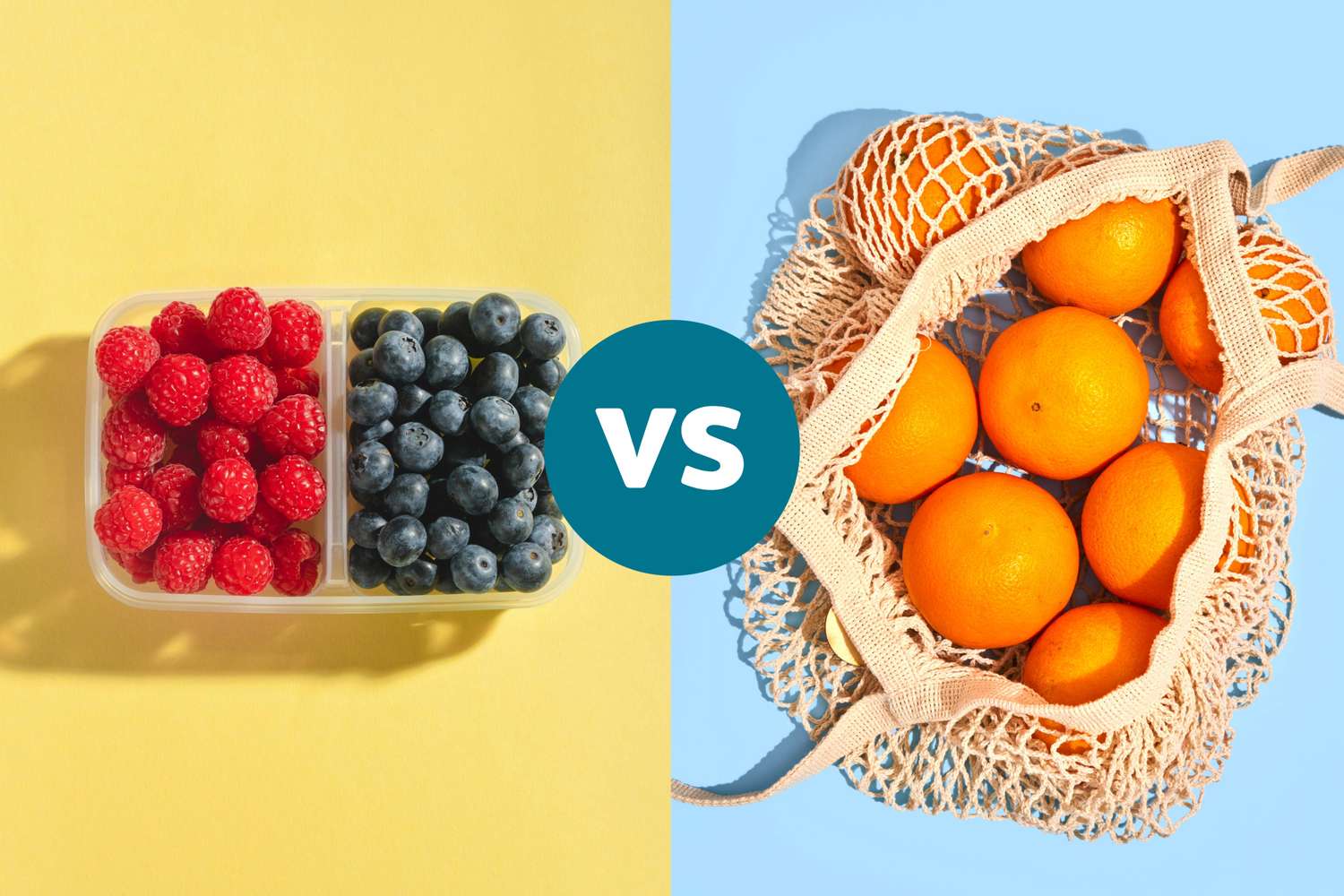
Key Takeaways
- Berries have more antioxidants overall compared to citrus fruits.
- Citrus fruits have more vitamin C than berries.
- It’s best to eat both berries and citrus fruits for their distinct nutritional benefits.
If you’re looking to incorporate more antioxidants into your diet, fruit is a great place to start. Both berries and citrus fruits offer antioxidants, such as vitamin C, which can boost your health in many ways.
Berries Contain More Antioxidants Overall
Berries are high in antioxidants, provide fiber, and are low in sugar. Citrus fruits generally have thicker skins and are high in the antioxidant vitamin C, according to Kevin Park, RDN, clinical nutrition manager with USC Verdugo Hills Hospital, part of Keck Medicine of USC.
“Antioxidants are compounds that protect the body from damage by free radicals, unstable molecules that could damage healthy cells, proteins, and DNA,” Park told Verywell.
“Berries are known to be higher in antioxidants compared to citrus fruits,” he added. “Citrus fruits, however, are a top source of the antioxidant vitamin C.”
Citrus Fruits Have More Vitamin C
“Vitamin C is an antioxidant that helps with tissue repair, collagen synthesis, wound healing, and immune function.”
Antioxidants, such as vitamin C, can help prevent or delay cell damage and reduce inflammation. They also play a role in cancer prevention.
Vitamin C, specifically, helps your body form collagen, a protein used to make ligaments, skin, blood vessels, and tendons; helps your body repair and maintain teeth, cartilage, and bones; and helps your body absorb iron.
It’s Best to Eat Both Berries and Citrus Fruits
If you’re looking to boost your antioxidant intake, both are good options. “One is not better than the other,” Abigail Collen, MS, RD, CDN, a dietitian at Mount Sinai Health System, told Verywell.
A healthy diet is a varied one, Park added. “Personally, I encourage eating both because berries and citrus fruits provide different antioxidants and nutrients for the body. Consume the rainbow—incorporate a variety of colorful fruits into your daily intake.”
Nutrition Facts
The serving size for berries is one cup, while the serving size for citrus fruits is one medium-sized piece of fruit, Collen said.
“Strawberries, raspberries, and blackberries are lower in calories than oranges or grapefruits. Blueberries fall in the middle,” she added.
Though the specific nutrition facts of berries and citrus fruits depend on which variety you eat, below is a rough outline of what you can expect from each.
| One orange | One cup of sliced strawberries | |
|---|---|---|
| Calories | 62 | 53 |
| Carbohydrates | 15 grams | 13 grams |
| Dietary fiber | 3 grams | 3 grams |
| Total sugars | 12 grams | 8 grams |
| Protein | 1 gram | 1 gram |
| Calcium | 4 milligrams | 2 milligrams |
| Sodium | 0 milligrams | 2 milligrams |
| Iron | 1 milligram | 4 milligrams |
How Many Servings Do You Need?
The Dietary Guidelines for Americans recommend consuming approximately two servings of fruit per day, which is about two cups.
“To best support health, we want to look at dietary patterns and diet quality overall, so if you’re able to meet the recommendations for two servings of fruits—and two-and-a-half cups of vegetables—daily, you’ll be getting the benefits of antioxidants,” said Collen.
:max_bytes(150000):strip_icc()/maggieoneill-16204cf3e01b424bbbd66733f6fb4668.jpeg)