

Key Takeaways
- Hummus and guacamole both offer valuable nutrients, but in different ways.
- Hummus provides more protein, iron, and calcium with less fat, while guacamole delivers more heart-healthy fats, fiber, potassium, and vitamin E.
- Hummus may help regulate blood sugar, support heart health, and promote satiety, while guacamole’s healthy fats and antioxidants support heart, digestive, and cognitive health.
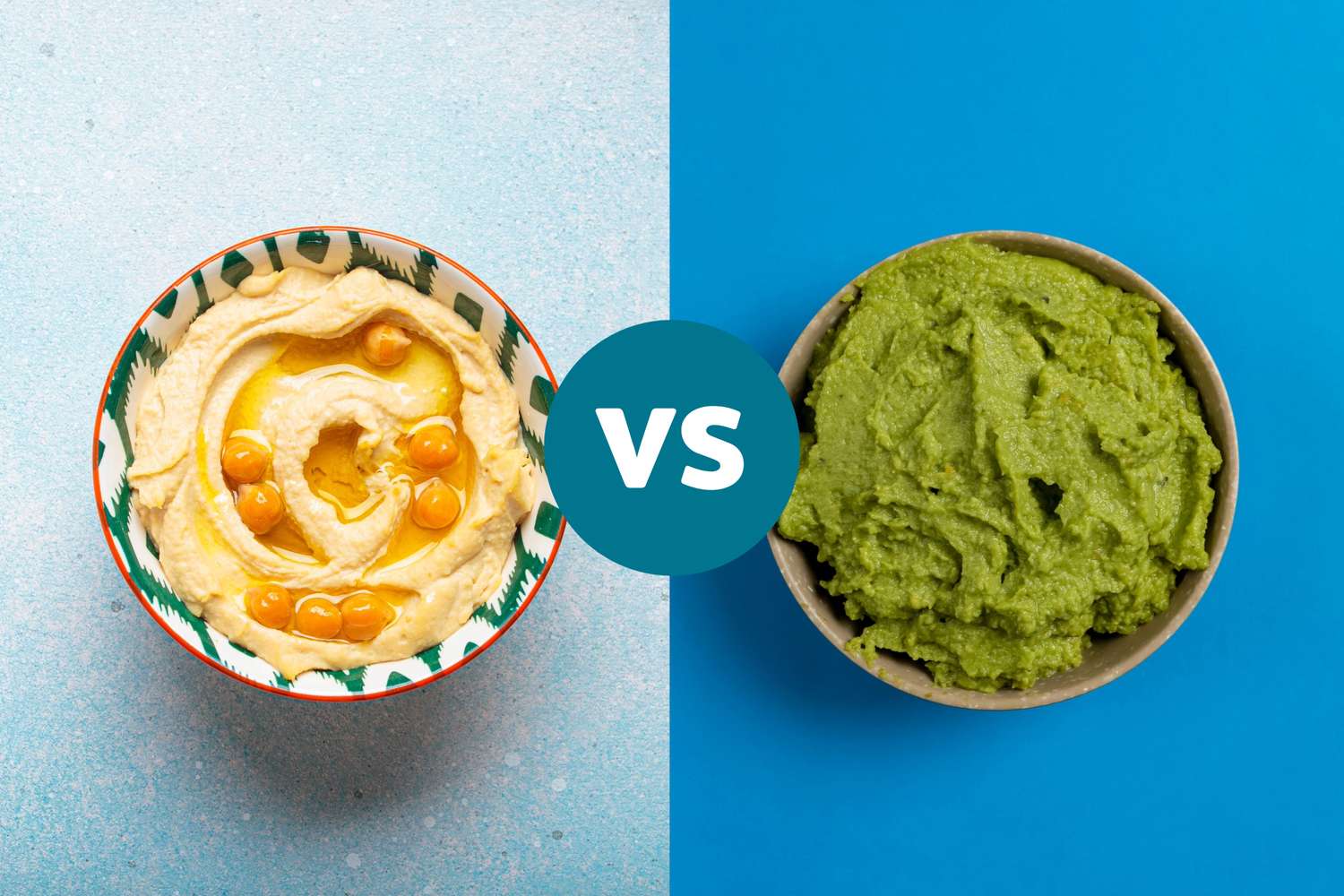
Hummus offers more protein and calcium, as well as less fat, than guacamole. Guacamole, on the other hand, packs more healthy fats, fiber, potassium, and vitamin E.
Hummus vs. Guacamole: Nutrition At a Glance
Both hummus and guacamole are good choices for snacking, but they are both high in calories, so keep portions in mind.
When it comes to nutrients, here’s how they both stack up against each other.
| Hummus (1 cup) | Avocado (1 cup) | |
|---|---|---|
| Calories | 435 | 384 |
| Protein | 11.96 grams (g) | 4.51 g |
| Total fat | 21.13 g | 35.44 g |
| Saturated fat | 2.76 g | 4.89 g |
| Carbohydrates | 49.5 g | 19.7 g |
| Fiber | 9.84 g | 15.64 g |
| Calcium | 120.54 milligrams (mg) | 29.9 mg |
| Iron | 3.86 mg | 1.4 mg |
| Magnesium | 71.34 mg | 66.7 mg |
| Phosphorus | 270.6 mg | 124.2 mg |
| Potassium | 425.58 mg | 11661.1 mg |
| Sodium | 595.32 mg | 18.4 mg |
| Vitamin C | 19.43 mg | 20.24 mg |
| Folate | 145.14 micrograms (mcg) | 204.7 mcg |
| Vitamin E | 1.84 mg | 4.53 mg |
How They’re Made
Hummus is typically made from chickpeas (also known as garbanzo beans), tahini (a paste made from sesame seeds), olive oil, lemon juice, spices, and sometimes garlic.
Guacamole recipes can vary, but all of them are made of avocado. They may also contain ingredients such as onions, tomatoes, chilies, cilantro, lemon, and/or lime juice, as well as spices.
It is important to note that commercial hummus and guacamole products may use different ingredients than homemade recipes which can affect their nutrition profiles, so read the labels carefully.
Why Hummus Is Good for You
Hummus contains a mix of fiber, plant-based protein, antioxidants, and heart-healthy unsaturated fats, as well as micronutrients like folate, calcium, and magnesium.
Potential health benefits of hummus include:
- Supporting heart health, and helping to reduce the risk of heart disease
- Lowering low-density lipoprotein (LDL) or “bad” cholesterol
- Regulate blood pressure
- Managing inflammation
- Supporting gut health and promoting regularity
- Regulating hunger and improving satiety
- Helping with weight management
- Controlling blood sugar
Why Guacamole Is Good for You
Avocados contain unsaturated fats, fiber, vitamins B, C, E, and K, plus minerals like potassium, magnesium, and copper.
Potential health benefits include:
- Supporting heart health and helping to reduce heart disease
- Managing blood pressure
- Reducing cardiovascular inflammation
- Lowering LDL cholesterol
- Controlling blood sugar and potentially reducing the risk of type 2 diabetes
- Helping with satiety and weight management
- Supporting cognitive function
- Supporting digestive health, and being less likely to cause gas
- Promoting eye health and helping reduce the risk of age-related macular degeneration
- Helping with absorption of fat-soluble nutrients such as vitamins A, D, K, and E
How to Eat Them
What you dip into your hummus or guacamole also makes a difference.
Try more nutritious options, such as:
- Wholegrain tortilla chips
- Fresh vegetables, like carrots, bell peppers, broccoli, cauliflower, cucumbers, zucchini, cherry tomatoes, or celery
- Whole wheat pita bread
- Fruits, such as apples
- Lean proteins, such as chicken
- Whole wheat crackers
- Chilis or jalapeño peppers, if you like a kick
Hummus and guacamole don’t have to be used as dips. They can be a great addition to meals, such as:
- Using them in wraps or sandwiches
- Topping salads
- Spreading on whole grain toast
- Mixed into pastas or used as part of a pasta sauce
- Mixed into falafels (hummus)
- Mixed into mashed potatoes
- On top of burgers
- As a pizza base instead of tomato sauce
- Topping or mixed with whole grain rice
- Replacing condiments such as ketchup or mayonnaise
- Topping a baked potato
- Used in an omelette
- As a side to scrambled eggs
- Replacing high saturated fat foods like butter, bacon, and red meats
You can also eat hummus and guacamole all on its own with a spoon.
:max_bytes(150000):strip_icc()/PicsArt_09-20-02.40.06-13db387d22de4949b3d6c887bcc884cd.jpg)