

:max_bytes(150000):strip_icc():format(jpeg)/VWH-coffee-tea-68039e5ed8544047a70779fbadb74171.png)
Key Takeaways
- Women who drank tea had slightly higher total hip bone mineral density than those who did not, according to a 10-year study.
- Consuming more than five cups of coffee daily was linked to lower bone density.
- Tea’s natural compounds may support bone formation and slow bone loss.
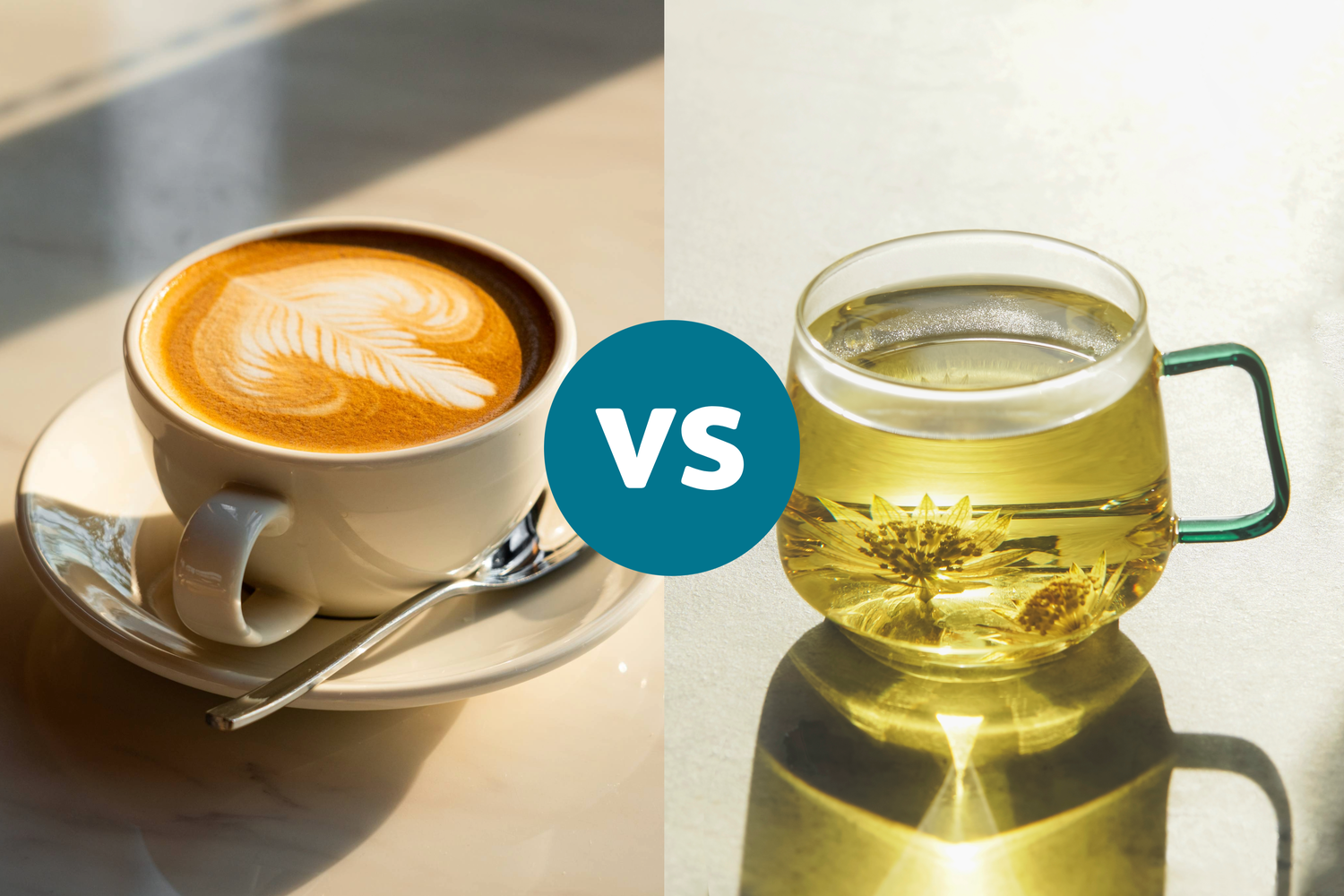
A study published in Nutrients followed nearly 10,000 women ages 65 and older for 10 years to examine whether tea or coffee consumption affected their bone mineral density. Researchers found that women who drank tea had slightly higher total hip bone density than those who did not.
Tea Drinkers Had Slightly Higher Bone Density
Bone density is a key measure of osteoporosis risk, a condition that increases the likelihood of fractures and can lower quality of life.
The study participants reported their tea and coffee intake over the decade, while researchers regularly measured bone density in their hips and thighs—areas where fractures are most common. Tea drinkers had slightly higher total bone density.
“Even small improvements in bone density can translate into fewer fractures across large groups,” Enwu Liu, PhD, a study author and an adjunct associate professor at the Flinders University College of Medicine and Public Health, said in a statement.
Researchers also found that drinking 2-3 cups of coffee per day did not affect bone health, while consuming more than five cups daily was associated with lower bone density.
However, in another recent study published in Nature, genetic analysis showed that higher coffee consumption was associated with a lower risk of osteoporosis. People with higher caffeine intake (including coffee, tea, soda, and other beverages) had about a 60% lower risk of osteoporosis compared to those with low caffeine intake.
Why Might Tea Benefit Bone Health?
Tea contains natural compounds called catechins and theaflavins, which may help with bone formation and slow its breakdown. The researchers suggest that coffee may interfere with calcium absorption and bone metabolism, but the impact is minimal. Adding milk to coffee may help mitigate this effect.
Green tea, specifically, may retain the most catechins and theaflavins due to its harvesting method and minimal processing, according to Julie Stefanski, MEd, RDN, LDN, a registered dietitian in York, PA, and a spokesperson for the Academy of Nutrition & Dietetics.
She said that these compounds are lower in black, white, and oolong tea.
Should You Drink More Tea and Less Coffee?
Stefanski said that research supports drinking 3-4 cups of unsweetened tea per day for most adults.
“You’ll want to consider the other health conditions you have or any medications you’re taking to determine if this intervention is right for your body and lifestyle,” she added.
Green tea, for example, is high in caffeine and may disrupt sleep. Having 3-4 cups of tea in addition to other beverages may increase how often you have to go to the bathroom.
Stefanski said older adults should consider limiting coffee, but not for the sake of strengthening bones.
“Some older adults are prone to drinking excessive amounts of coffee,” Stefanski said. “This often displaces more nutritious options, can cause stomach upset, and excessive caffeine can interrupt natural sleep patterns, leading to poor sleep quality.”