

:max_bytes(150000):strip_icc():format(jpeg)/VWH-GettyImages-1353761237-f645c8d40f294e2fbe0af2b0884ecb5c.jpg)
Beets or beetroot juice may lower your blood pressure temporarily, but studies show the effect doesn’t last more than 24 hours. Because this benefit is likely short-lived, adding other heart-healthy foods may offer steadier, longer-lasting blood pressure support.
1. Fatty Fish
kajakiki / Getty Images
Fatty fish are rich in omega-3 fatty acids that support your heart and blood vessels. Examples include:
- Salmon
- Mackerel
- Sardines
- Trout
- Herring
- Tuna
Beets can cause a quick drop in blood pressure because their nitrates dilate your blood vessels, but the effect typically wears off within a day. Omega-3s create longer-lasting improvements and benefits that also continue on days you are not eating fish.
Research shows that getting about 3 grams (g) of omega-3s per day can lower your top blood pressure number by about 2-4 points.
Try baking fish with lemon, grilling it with herbs, making fish tacos, or adding canned fish to salads or pasta.
2. Leafy Greens
SimpleImages / Getty Images
Leafy greens, such as spinach, kale, Swiss chard, and arugula, help lower blood pressure by providing potassium, magnesium, and natural nitrates. These nutrients help your blood vessels relax and support your body’s ability to remove extra sodium, which prevents your blood pressure from rising.
Here’s how these nutrients help lower your blood pressure:
- Magnesium: Helps keep your arteries flexible. Supplement studies show larger drops than foods alone, but leafy greens still add meaningful amounts.
- Nitrates: Your body turns nitrates into nitric oxide, which helps your blood vessels relax, allowing blood to flow more easily.
- Potassium: Helps lower blood pressure by pulling extra sodium out of your body and relaxing your blood vessel walls. Research shows that getting about 4,700 milligrams (mg) of potassium daily can lower your top blood pressure number by 4-7 points.
Arugula and Swiss chard have nitrate levels as high as or higher than those of beets, as follows:
- Arugula (rucola): 4,677 mg/kilogram (kg)
- Beets: 1,379-2,756 mg/kg
- Swiss chard: 1,690-1,728 mg/kg
These foods also provide more potassium and magnesium. For example, one cup of cooked Swiss chard provides 961 mg of potassium, while beets provide 518 mg.
Try to eat 1-2 cups of greens daily. Add Swiss chard to soups, make kale chips, steam spinach as a side dish, or toss arugula into sandwiches and salads.
Safety Note About Potassium
If you have kidney disease, heart failure, or take medications, ask your provider before increasing potassium or taking supplements.
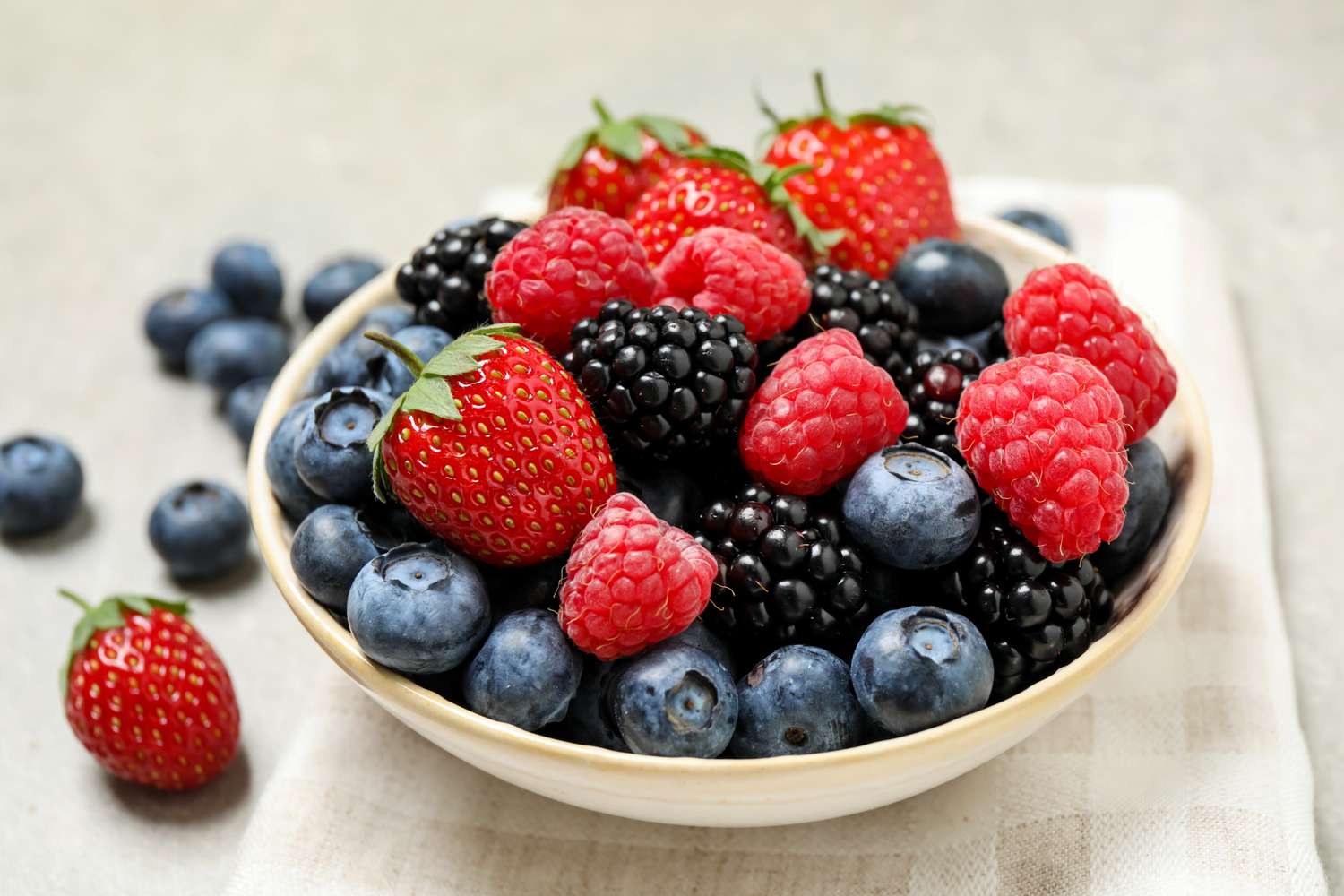
3. Berries
Liudmila Chernetska / Getty Images
Studies show that eating berries regularly may help support healthy blood pressure over time, especially if your numbers are already high.
Beets give you a quick change in blood pressure, while berries improve your blood vessel health when you eat them regularly. Berries are also easy to add to your diet.
Many berries contain antioxidants (plant compounds) that help your blood vessels stay flexible. Some may also block angiotensin converting enzyme (ACE), similar to certain blood pressure medications.
Aim for one cup of fresh or frozen berries daily. Eat them as a snack, or add them to smoothies or oatmeal.
4. Legumes
Kinga Krzeminska / Getty Images
Legumes are beans, lentils, peas, and chickpeas. Studies show that replacing one serving of red meat with legumes five days a week for 16 weeks lowered systolic pressure by about 4 points.
Beets can lower blood pressure within hours, but legumes can also reduce your risk of getting high blood pressure. People who eat 55-70 g (¼-⅓ cup) of legumes daily have a 43% lower risk of developing high blood pressure over time.
Legumes support healthy blood pressure by providing nutrients like:
- Arginine: An amino acid that boosts nitric oxide and helps blood vessels widen.
- Fiber: Supports gut health and produces compounds that help blood vessels relax. Getting about 17 g of fiber per day may lower blood pressure by 1-1.5 points.
- Folate: Supports healthy blood vessel function.
- Plant proteins: Break down into peptides that may work like mild ACE inhibitors.
Legumes also contain antioxidants, potassium, and magnesium that help your blood vessels relax and reduce the effects of sodium.
Legumes offer the greatest benefits when they replace higher-sodium, higher-fat foods or red meat rather than being added on top of what you already eat.
5. Kiwifruit
jayk7 / Getty Images
Studies show that eating two kiwis per day for seven weeks lowered systolic blood pressure by about 2.7 points.
Kiwis provide vitamin C, potassium, and antioxidants that support healthier blood vessels by:
- Improving endothelial function (the lining of your blood vessels)
- Increasing nitric oxide
- Reducing oxidative stress, which can stiffen arteries
Kiwis also offer long-term, cumulative benefits and are easy to incorporate into your diet.
If you like a sweeter kiwi, choose one that is slightly soft to the touch. Slice them in half and scoop with a spoon, or peel and dice them.
Heart Healthy Diets That Help With Blood Pressure
People often try beets for a quick drop in blood pressure, but the effect lasts only a few hours. What you eat each day typically has a bigger impact.
Plans like the Dietary Approaches to Stop Hypertension (DASH) diet, Mediterranean diet, and New Nordic diet encourage:
- Beans and lentils
- Fruits and vegetables
- Lower-sodium foods
- Nuts and seeds
- Whole grains
These foods give your body nutrients that help keep blood pressure in a healthier range. On average, these diets lower your top blood pressure number by about 5 points and the bottom number by about 2-3 points, with larger drops in people who start with higher readings.