

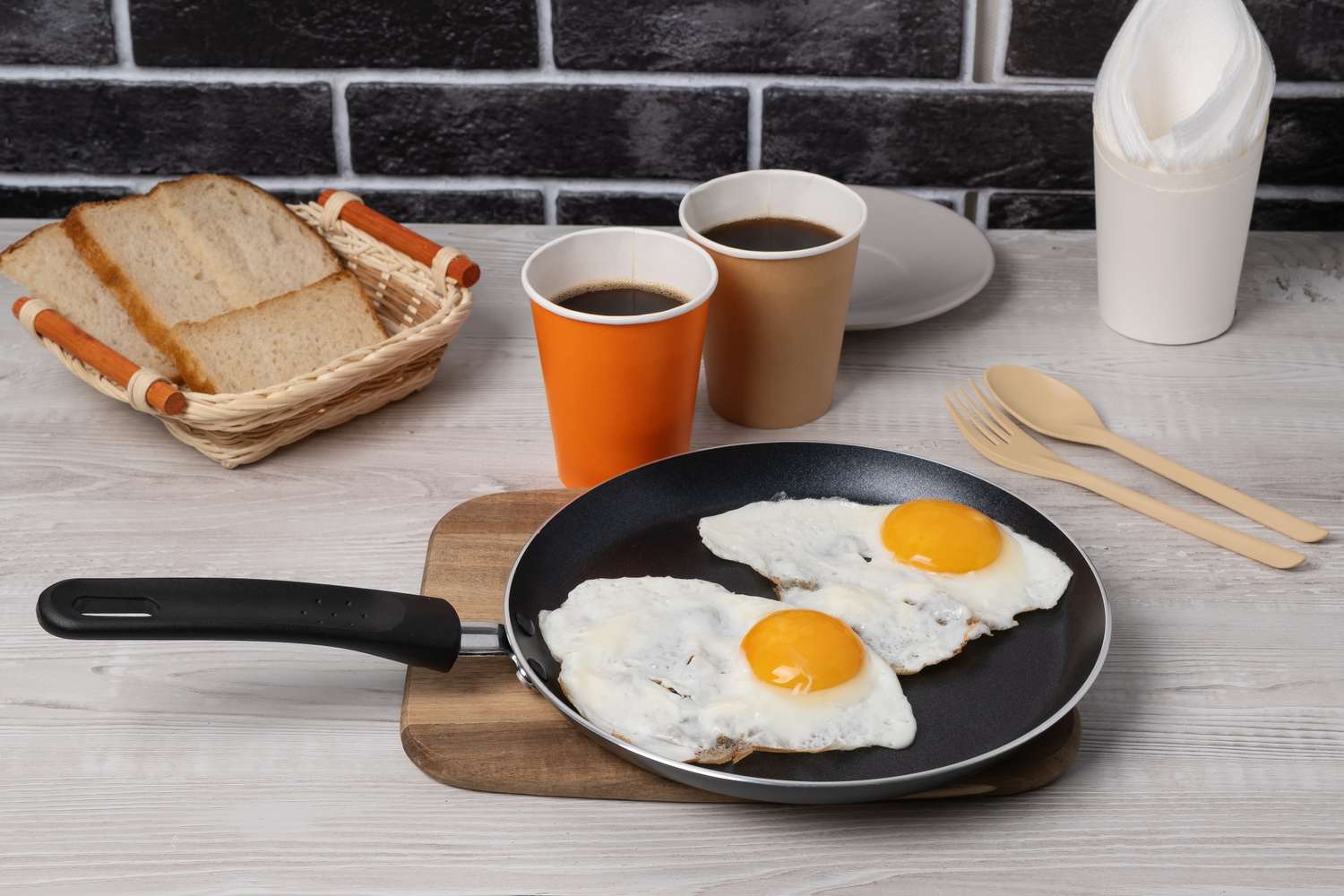
If you take iron supplements to address an iron deficiency or prevent anemia, certain foods and supplements can interfere with how your body absorbs and uses iron.
Taking your dose at the right time can help you get the most benefit from your supplement. Here are some foods you should avoid eating at the same time as you take your iron supplement.
1. Coffee and Tea
Osobystist / Getty Images
Polyphenols in coffee and tea are often praised for their health benefits, but they can interfere with how your body absorbs both heme and non-heme iron. Tannins in tea are one example, and even decaffeinated versions have the same effect, so switching to herbal options won’t resolve the issue.
Avoid taking your iron supplement with your morning coffee or evening tea. Wait at least an hour, preferably two, between drinking these beverages and taking your supplement or eating iron-rich foods.
2. Dairy
XV STUDIO / 500px / Getty Images
Calcium supplements can reduce iron absorption, as can dairy foods like milk, yogurt, and cheese. Calcium and iron compete for absorption in the same part of the gastrointestinal tract, which means taking them together can limit how much iron your body takes in.
Even if you don’t drink milk by the glass, remember that dairy shows up in small ways throughout the day: coffee creamer, cheese on a sandwich, or a yogurt snack. Calcium-fortified foods can have the same effect, so be mindful of those as well.
3. Dark Chocolate
Anastassia LAURENT / Getty Images
Dark chocolate contains a notable amount of non-heme iron, but it’s still not a good match with your iron supplement. Like coffee and tea, cocoa’s polyphenols can reduce how much iron your body absorbs.
Polyphenols in dark chocolate can benefit health in other ways, but they do not support iron absorption and may limit it when consumed with your supplement.
4. Eggs
Audrey Patsiga / Getty Images
If you prefer to take your iron supplement with breakfast, you may want to skip the omelet. Some studies suggested that eggs may reduce iron’s bioavailability by about 27% in adults. Researchers suspect phosvitin is responsible, as it also makes the iron naturally found in eggs less usable by the body.
5. Soy
Diane Labombarbe / Getty Images
There’s older evidence that certain proteins in soy may make non-heme iron less available for the body to absorb. Some research suggests that processed soy products have stronger iron-inhibiting effects, while fermented options like tempeh may have less of an impact.
Soy foods can also contain phytates, which are known to interfere with iron uptake.
6. Oxalate and Phytate-Rich Foods
fcafotodigital / Getty Images
Whole grains and high-fiber foods like bran, oats, and some legumes contain phytates, which can interfere with iron absorption because they bind to iron in the gut and form compounds the body can’t take in.
Oxalates, found in foods like spinach, beets, and some nuts, have a similar effect. They latch onto iron and create compounds that also aren’t absorbable. Try to eat these foods at a different time than your iron supplement so they don’t interfere with absorption. Pairing iron with vitamin C–rich foods can help counter some of this effect.
:max_bytes(150000):strip_icc()/norman-dd595cddde654266bd40199db77e316f.jpg)