

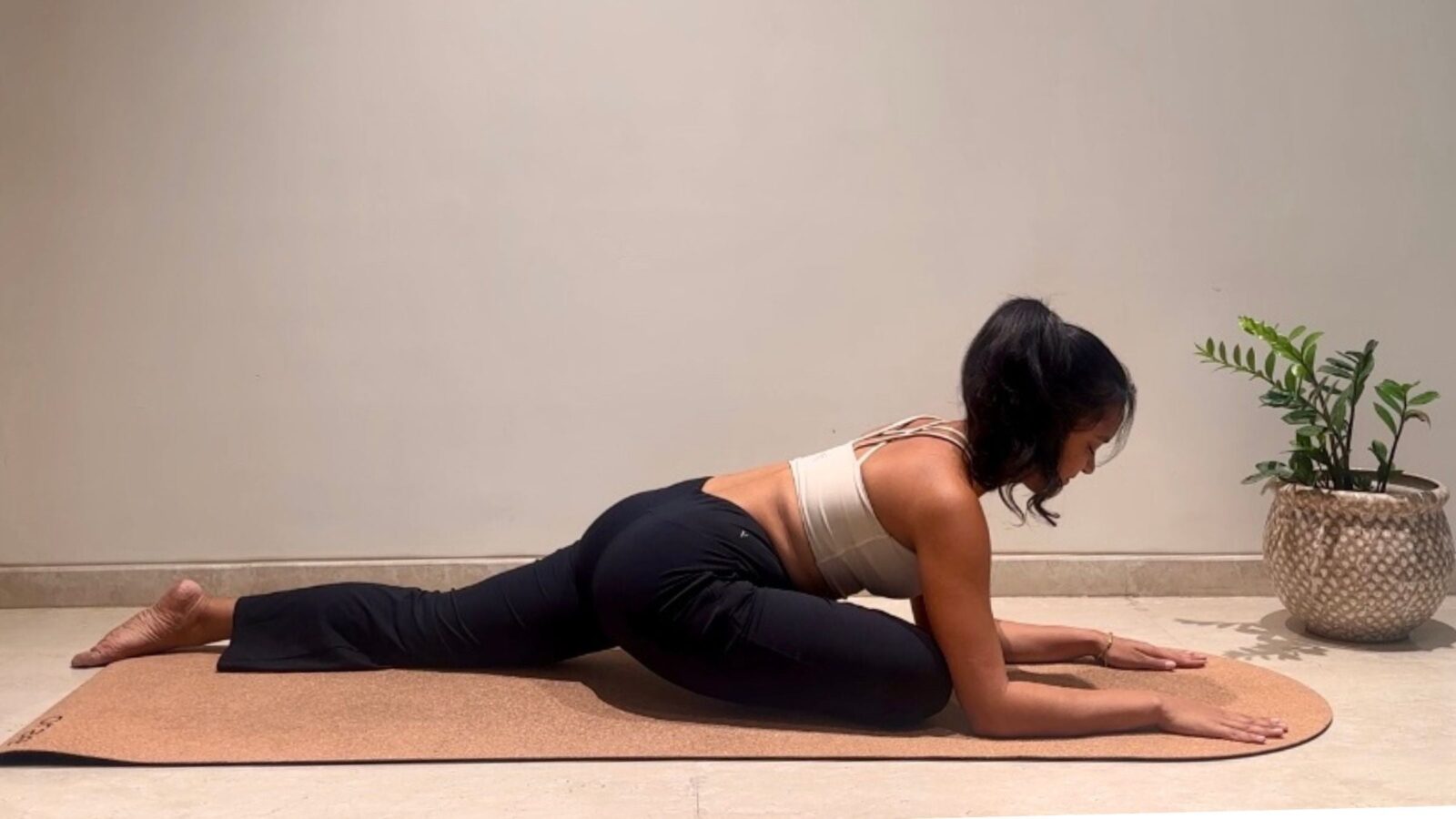
How to prevent nagging hip tension.
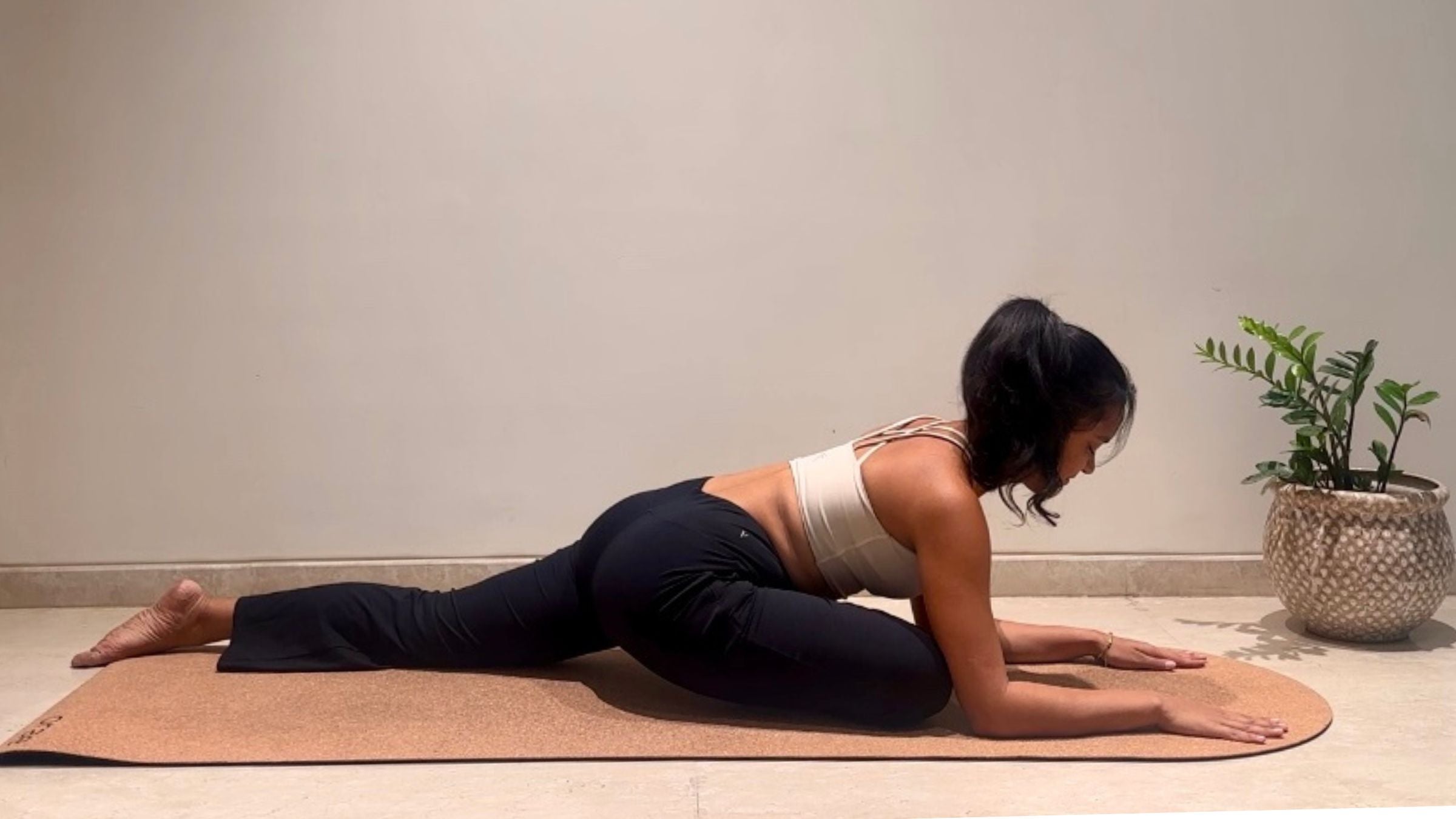
(Photo: Courtesy Riya Davda)
Published April 23, 2026 10:38AM
Ever try to sit cross-legged, squat, or bend over and feel a twinge of discomfort in your lower body? Maybe you notice a pulling sensation and immediately think, “I’ve got to do something about my tight hips.” That might be true, but in some cases, the hips can actually be the messenger of tension that resides elsewhere in the body, including tight pelvic muscles.
The pelvis is often overlooked, but it plays a crucial role throughout the body. It’s the bony structure at the base of the spine that connects the upper and lower body and includes your hip bones and lower back. Think of it as connecting your upper body and lower body and helping you walk, stand, sit, bend, and maintain your upright posture.
Because it plays a role in most full-body movements, the muscles of the pelvis tend to accumulate and carry a lot of tension. When these muscles are tight, it can result in discomfort in your hips as well as your lower back. Yoga offers pelvic stretches and slow breathing that can help support this underserved part of the body.
7 Yoga Poses to Relieve Tension in the Pelvic Muscles
The following pelvic stretches help build flexibility in the lower body, which in turn can help lessen stiffness and aches in the pelvic area. As you practice, don’t force your body into positions. Instead, allow your hips, inner thighs, and lower back to release with each breath.
You might’ve heard yoga teachers compare the pelvis to a bowl of water and tell you not to “spill” the bowl while you’re stretching. That’s because you want to focus on lengthening, not compressing, your lower body. It’s a useful image to keep in mind throughout the following poses.
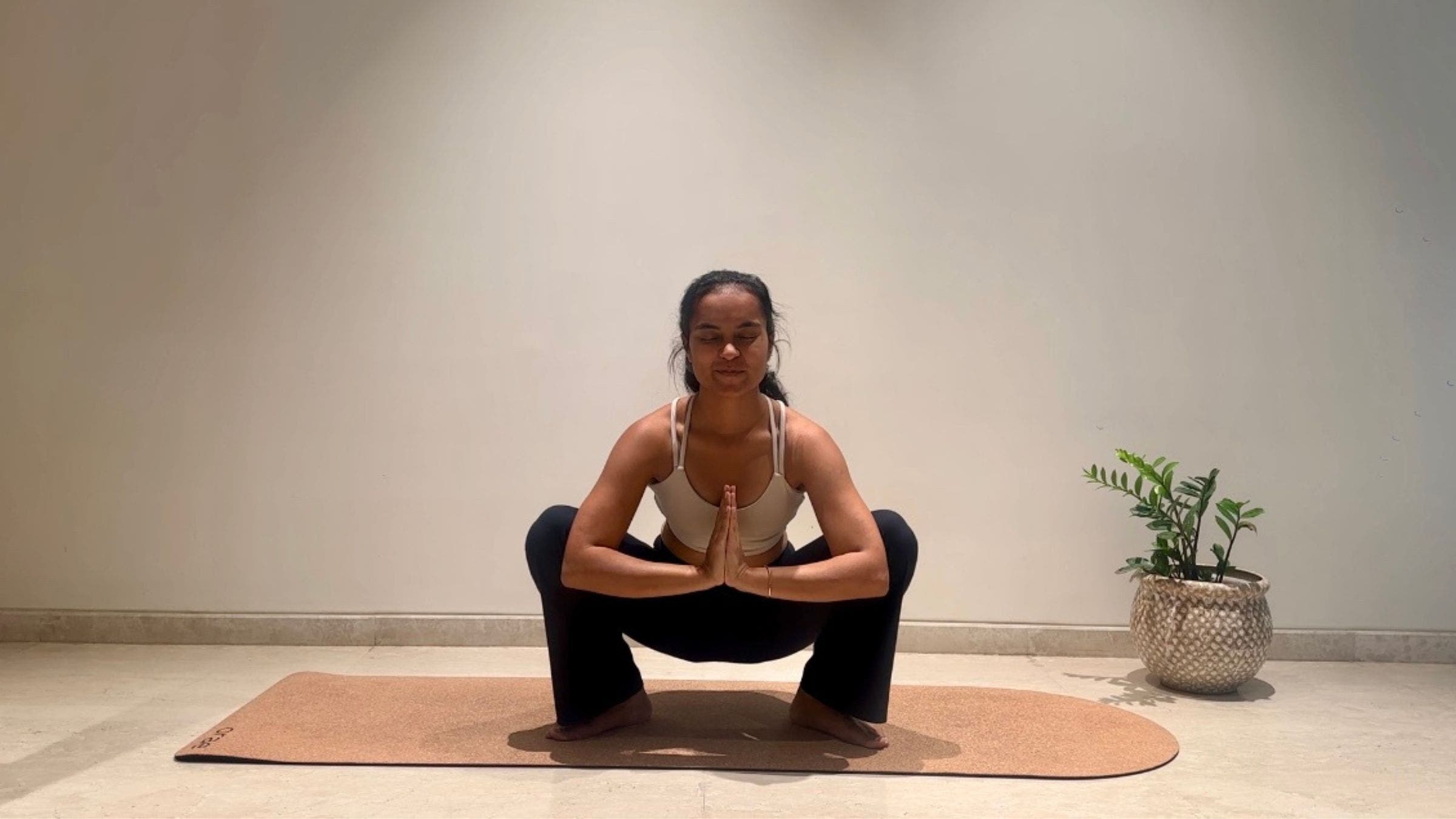
1. Squat (Malasana)
A deep squat stretches your hips, inner thighs, and pelvic floor. It also improves mobility in your ankles, which gives you a more solid foundation.
How to: Stand with your feet slightly wider than hip-distance apart. Turn your toes out slightly. Bend your knees and lower your hips toward the mat. If you feel unbalanced, place a block or two underneath your sit bones. Bring your palms together at your chest (anjali mudra) and gently press your elbows against your inner thighs. Draw the crown of your head toward the ceiling and keep your chest lifted in Squat. If your heels lift off the mat, place a folded blanket underneath them for support. Stay here for 5-8 breaths.
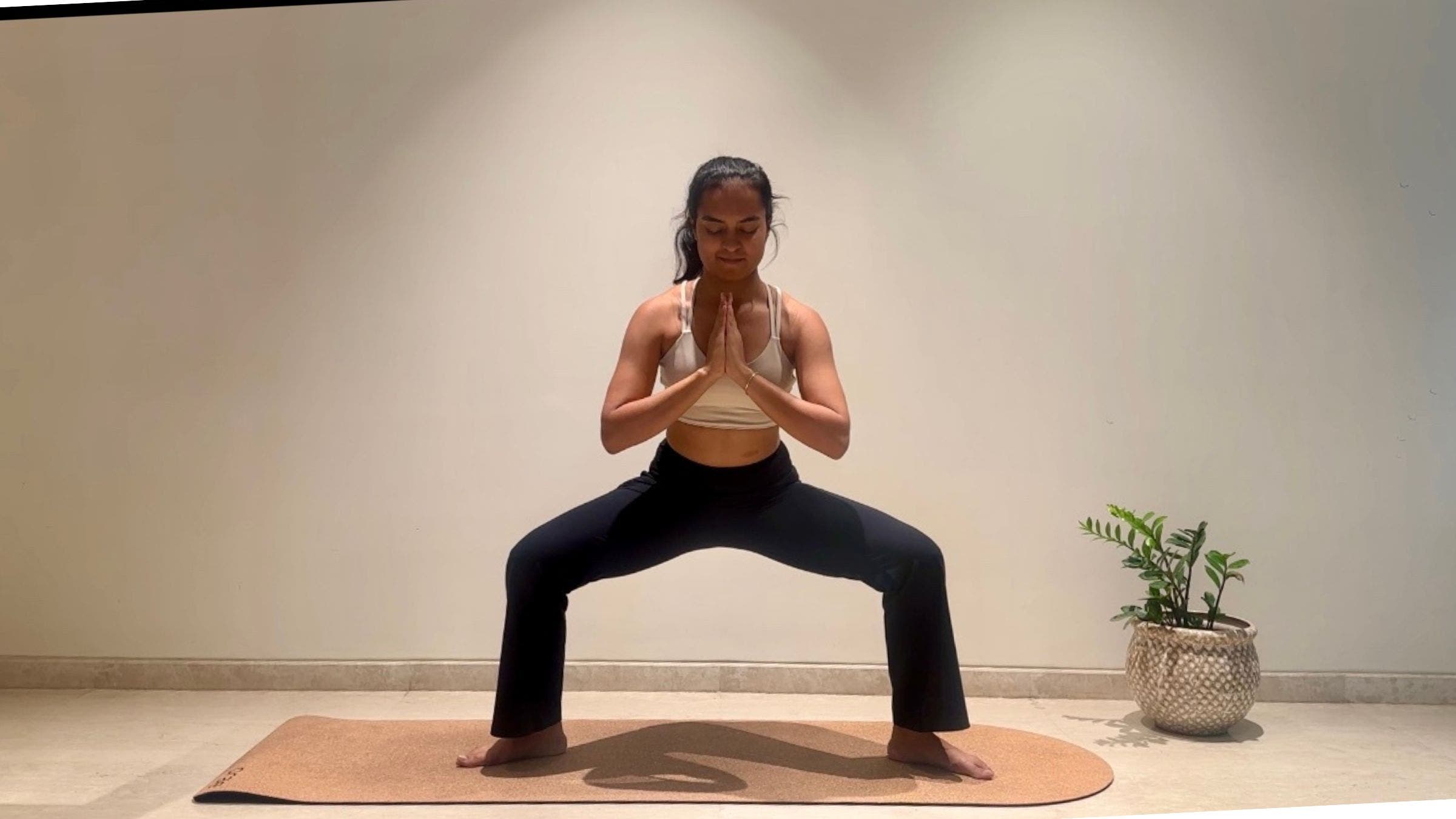
2. Goddess Pose (Utkata Konasana)
You’ll feel your thighs work as your hips stretch—both of which help improve pelvic floor stability. Focusing on your breath helps you stay in this shape to elicit maximum benefits.
How to: Step your feet wide apart and turn your toes slightly outward. Bend your knees so they track over your toes and lower your hips until your thighs are almost parallel to the mat. Imagine pointing your tailbone toward the mat. Draw your navel toward your spine. Bring your arms into a cactus shape or rest your hands on your thighs. Press your feet into the mat. Stay here for 5-8 breaths.
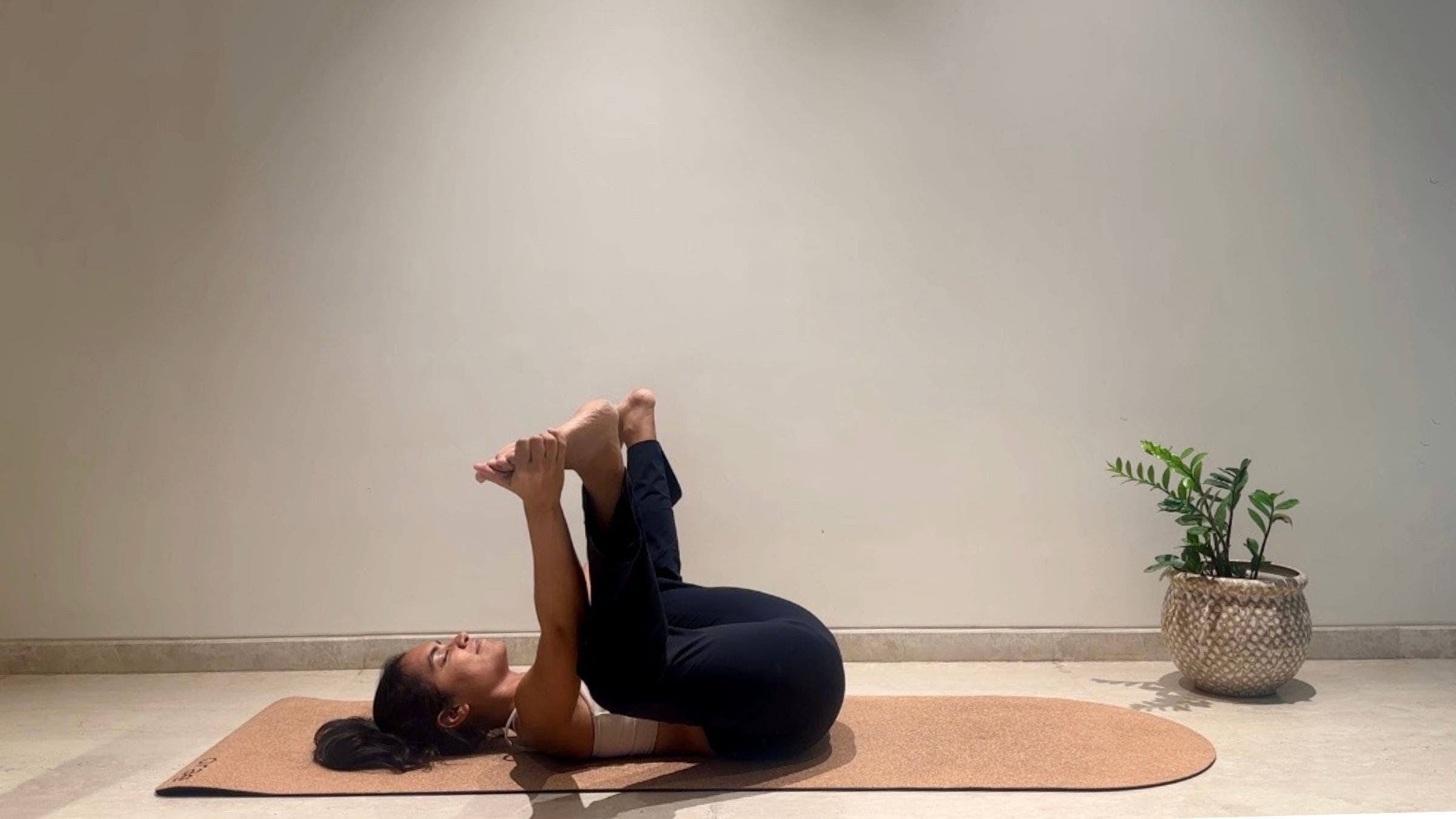
3. Happy Baby (Ananda Balasana)
The reclined position of this stretch means you experience a more passive pelvic-opening and release in your lower back.
How to: Lie on your back and draw your knees toward your chest. Separate your knees and grasp your ankles, the soles of your feet, or sides of your calves. Draw your knees toward your armpits and the soles of your feet to face the ceiling. Keep your lower back on the mat as you try to stack your ankles over your knees in Happy Baby. Relax your jaw and shoulders. Stay here for 5-8 breaths or longer.
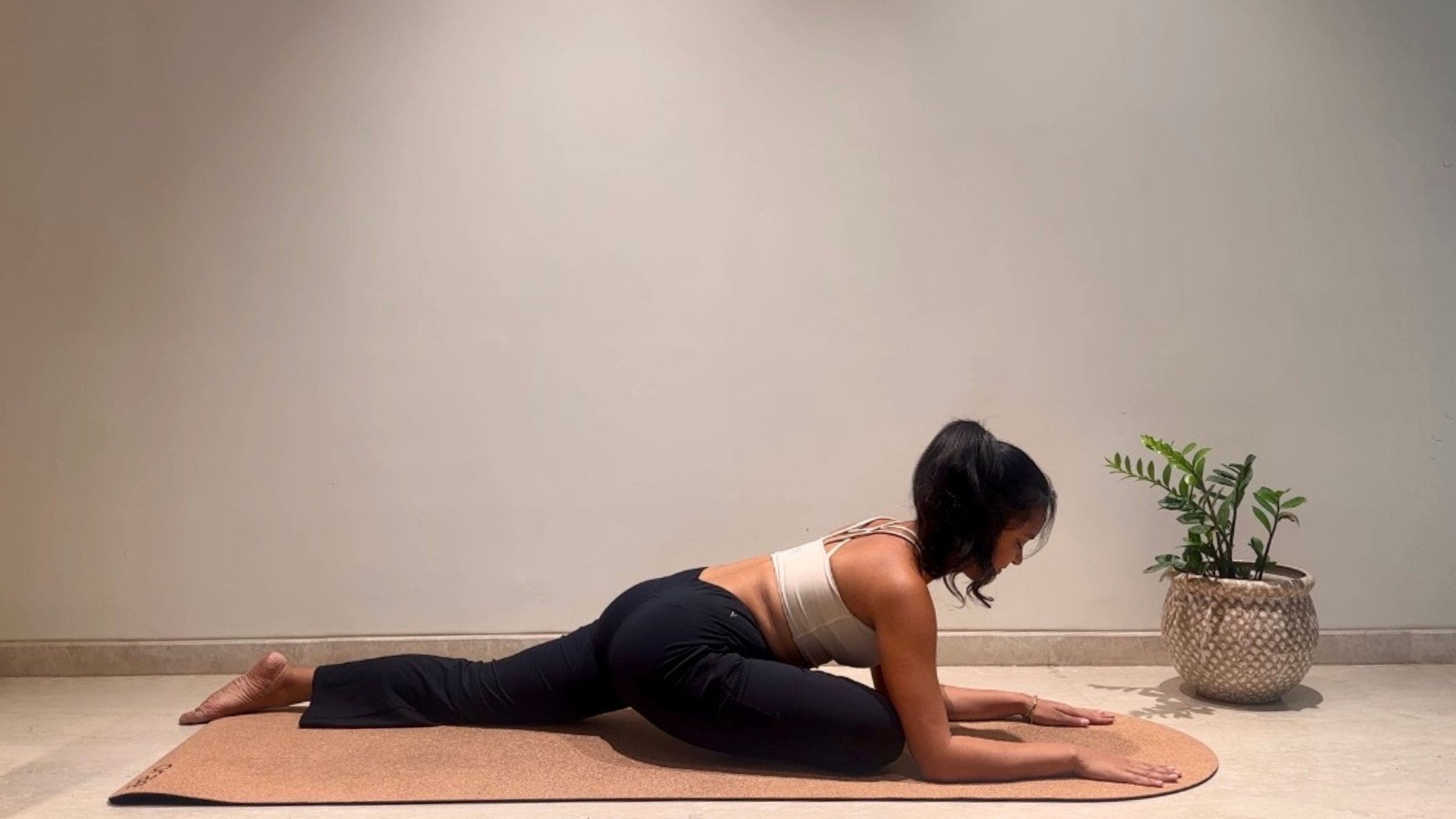
4. Pigeon Pose (Eka Pada Rajakapotasana)
Although Pigeon Pose is considered an intense hip-opener, there are ways to adjust the position using props so that you experience pelvic opening—minus discomfort.
How to: Come onto your hands and knees or into Downward-Facing Dog. Draw your right knee forward and step your foot behind your right wrist. Lower your outer thigh to the mat, drawing your right foot as close to your body as needed. Straighten your left leg behind you in Pigeon Pose. For more support, place a block or folded blanket underneath your right hip. Keep your chest upright or fold forward over your front leg. Take 5-8 breaths here, then return to your hands and knees or Down Dog and repeat on the opposite side.
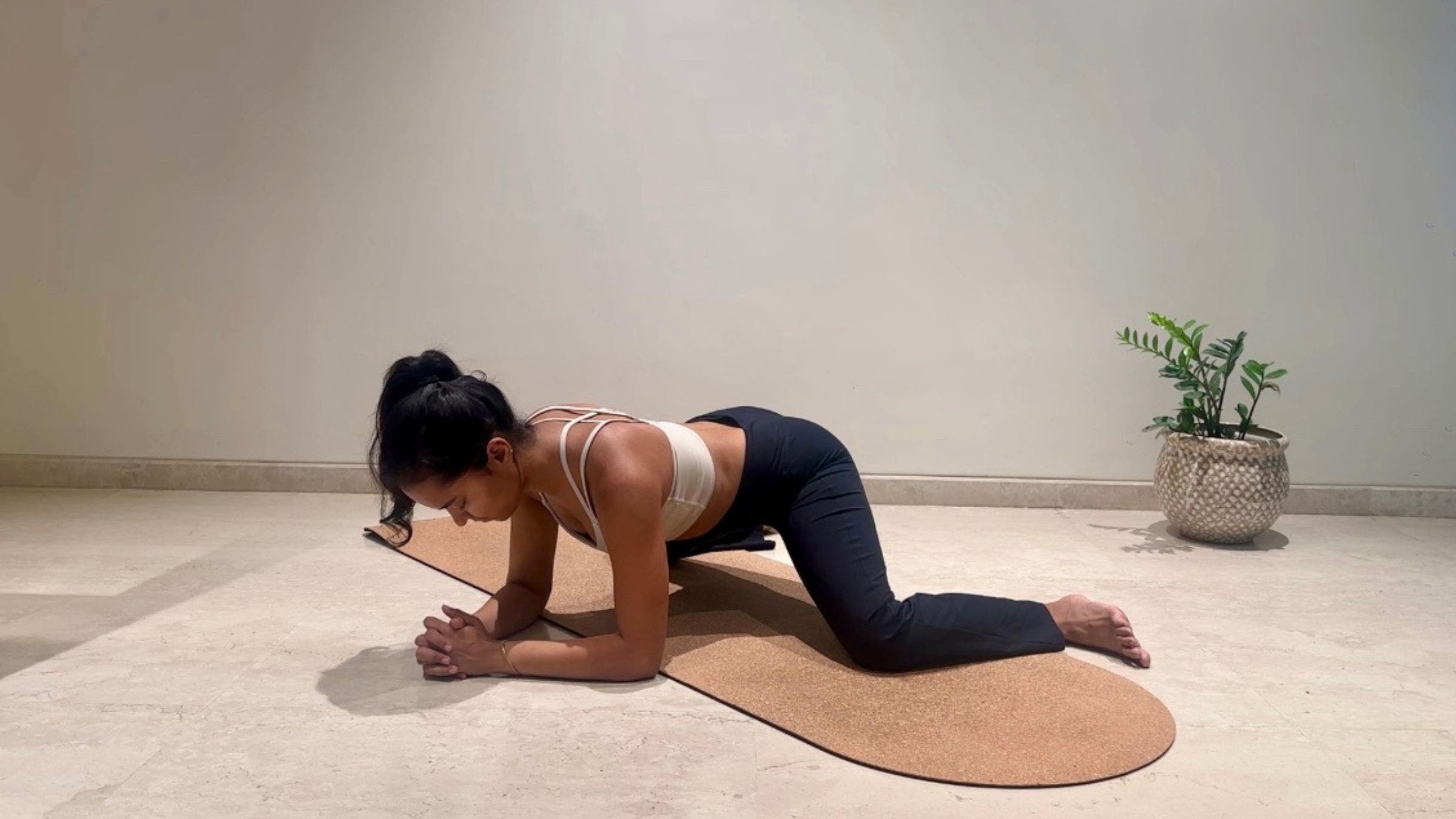
5. Frog Pose (Mandukasana Variation)
Steady, even breathing helps your body gradually adjust to the intensity of Frog Pose, which stretches your inner thigh muscles and pelvic region.
How to: Come to your hands and knees. Take your knees wider until you feel a stretch along your inner thighs and outer hips. Keep your ankles roughly in line with your knees and flex your feet. Lower onto your forearms. Press into your forearms and keep your core engaged so your low back doesn’t sag. Stay here for a few breaths, then walk your knees back underneath your hips.
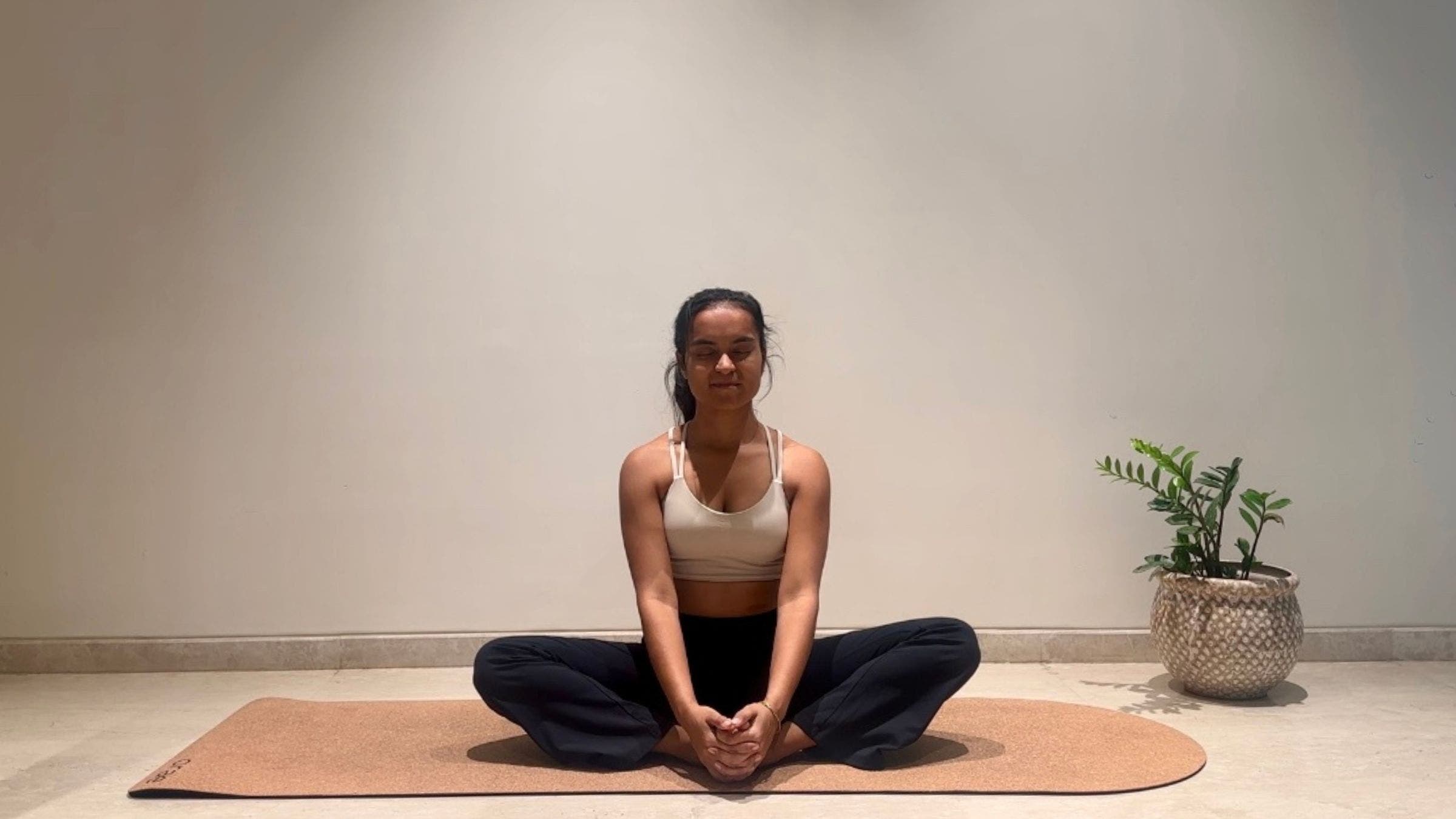
6. Bound Angle Pose (Baddha Konasana)
A classic seated hip-opener, Bound Angle helps lengthen the muscles surrounding the pelvis and release tension in them. It also encourages a sense of grounding.
How to: Sit on the floor and bring the soles of your feet together, allowing your knees to fall open to the sides. Grasp your feet or ankles and sit tall. Stay upright or hinge forward slightly while reaching your chest forward in Bound Angle Pose. If your thighs feel tight or stay lifted high above the mat, place blocks or folded blankets underneath them for support. Stay here for 5-8 breaths.
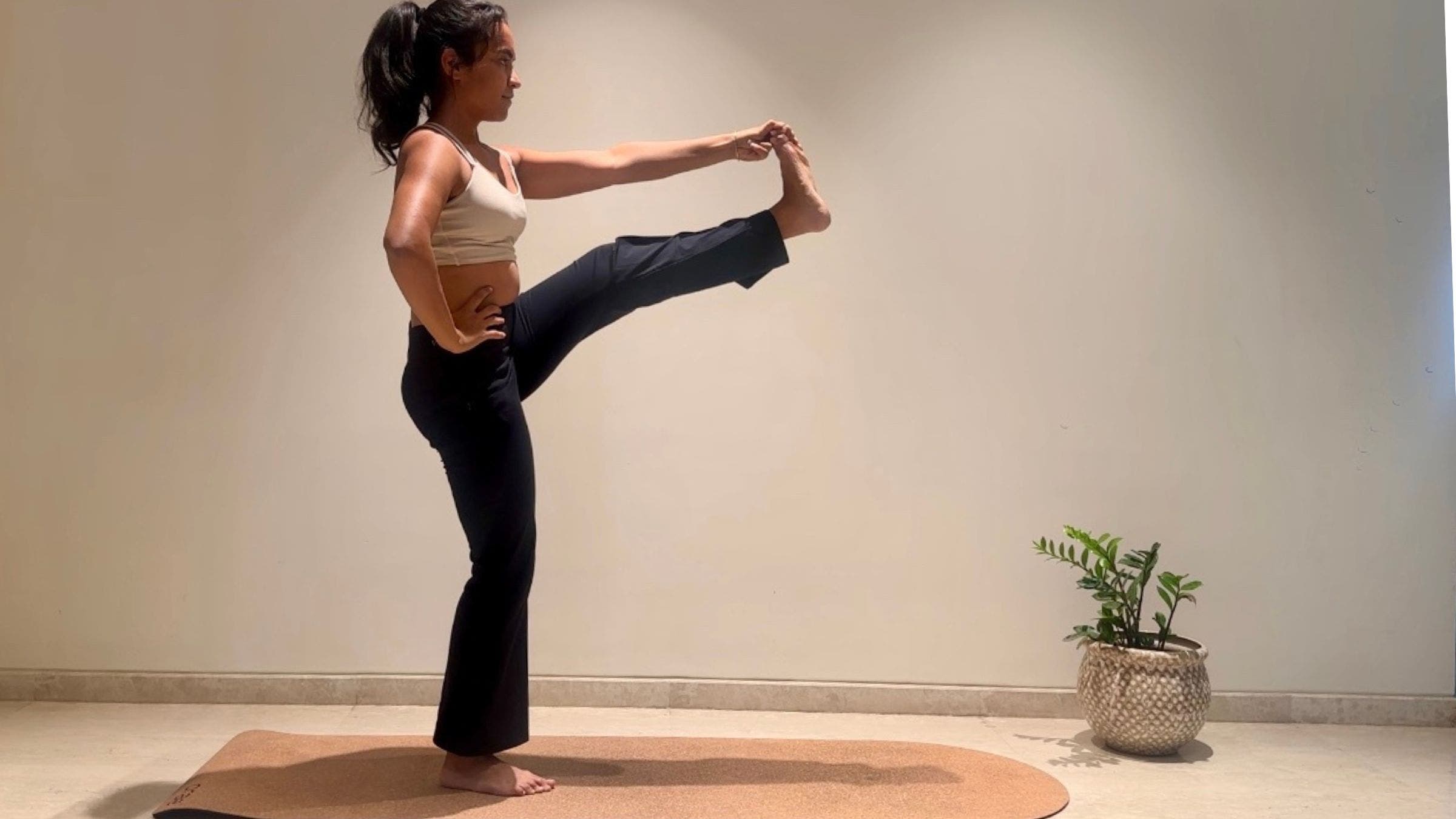
7. Extended Hand-to-Big-Toe Pose (Utthita Hasta Padangusthasana II)
You’ll build strength in your hips and pelvis in this standing balance challenge.
How to: Stand tall and shift your weight into your left foot. Draw your right knee toward your chest and hold your right big toe with your right index and middle fingers or loop a strap around your foot. Slowly straighten your right leg in front of you and push through your heel. Press your standing foot into the mat. Reach your left arm out to the side or place it on your hip as a counterbalance. Then shift your right leg toward the right side in Extended Hand-to-Big Toe Pose. Take a few breaths here, then lower your foot to the mat. Repeat on the opposite side.