

Sodium—found in table salt and many condiments—plays a significant role in conditions like kidney disease, high blood pressure, and heart problems. If you’re managing your sodium intake, being mindful of sauces and seasonings can help you stay under the 2,300 milligrams (mg) per day limit, about one teaspoon of salt, as recommended by the Dietary Guidelines for Americans (2020–2025).
1. Balsamic Vinegar
d3sign / Getty Images
- One tablespoon (15 milliliters) of balsamic vinegar contains no measurable amount of sodium, allowing you to use it alone or as an ingredient in salad dressings, marinades, and sauces without adding to your daily sodium intake.
- While human evidence is needed, a lab study comparing balsamic vinegars has shown that balsamic vinegar contains a substantial profile of polyphenols (plant compounds with anti-inflammatory and antioxidant properties), which have been linked to benefits in fighting heart disease and cancer.
2. Lemon Juice
ironstuff / Getty Images
- While the juice from one lemon wedge (6 grams) contains 0.06 mg of sodium, one tablespoon (15 grams) of bottled lemon juice contains approximately 3.9 mg of sodium, both of which are relatively negligible amounts in your daily sodium intake.
- Lemon juice is an excellent condiment for flavoring vegetables, chicken, and fish, eliminating the need for added salt. It may also provide some protection against factors related to the formation of kidney stones.
3. Cilantro
Liudmila Chernetska / Getty Images
- One tablespoon (15 grams) of cilantro, a member of the parsley family, contains 15 mg of sodium, making it a low-sodium option for adding a distinctive flavor, especially to Asian and Mexican dishes.
- Research suggests that the phytochemicals in cilantro may have heart-protective benefits, with potentially promising results for reducing high blood pressure (hypertension).
4. Garlic Powder
skhoward / Getty Images
- With 0 mg of sodium in one tablespoon (2 grams) of garlic powder, this cornerstone condiment of the healthy Mediterranean diet provides a savory accent to meals without contributing to your sodium intake.
- Consuming garlic is linked to numerous health benefits that can help protect against cardiovascular disease, including regulating blood pressure, managing cholesterol, and reducing plaque in arteries, as well as mitigating oxidative stress.
5. Ginger
Peter Meade / Getty Images
- One tablespoon (5.2 grams) of ground ginger contains just 1.4 mg of sodium, while adding a warm and spicy boost to savory beverages, foods, and desserts.
- Consuming ginger delivers the health benefits of gingerol, an active ginger compound with a range of antioxidant, anti-inflammatory, and heart-protective properties, including the reduction of blood pressure and blood lipids (e.g., cholesterol and triglycerides).
6. Black Pepper
khouwes / Getty Images
- With just 1.38 mg of sodium in one tablespoon (6.9 grams) of black pepper, this traditional companion to table salt is the healthier option for adding flavor to foods when sodium intake is a concern.
- Research indicates that piperine, the active compound in black pepper, may trigger taste receptors that enhance salt perception or control salt cravings, potentially making foods taste saltier without the need for extra sodium.
7. Basil
boerescul / Getty Images
- Basil contains a natural, but minimal, amount of sodium, totaling 3.42 mg in one tablespoon (4.5 grams) of ground, dried basil.
- Basil contains an antioxidant called eugenol, which has diverse medical benefits for its antibacterial, antiviral, and antifungal properties, as well as potential benefits for cholesterol management and the prevention of arterial plaque.
8. Onion Powder
Everyday better to do everything you love / Getty Images
- With no naturally occurring sodium in one tablespoon (7.2 grams) of onion powder, this condiment can enhance the flavor of savory meals, such as meats and stews, without contributing to daily sodium levels.
- Research indicates that supplementing your diet with onions can help reduce factors associated with heart disease by improving total cholesterol, low-density lipoprotein (LDL) cholesterol, also known as “bad” cholesterol, and systolic blood pressure.
How to Determine Condiments with the Least Amount of Sodium
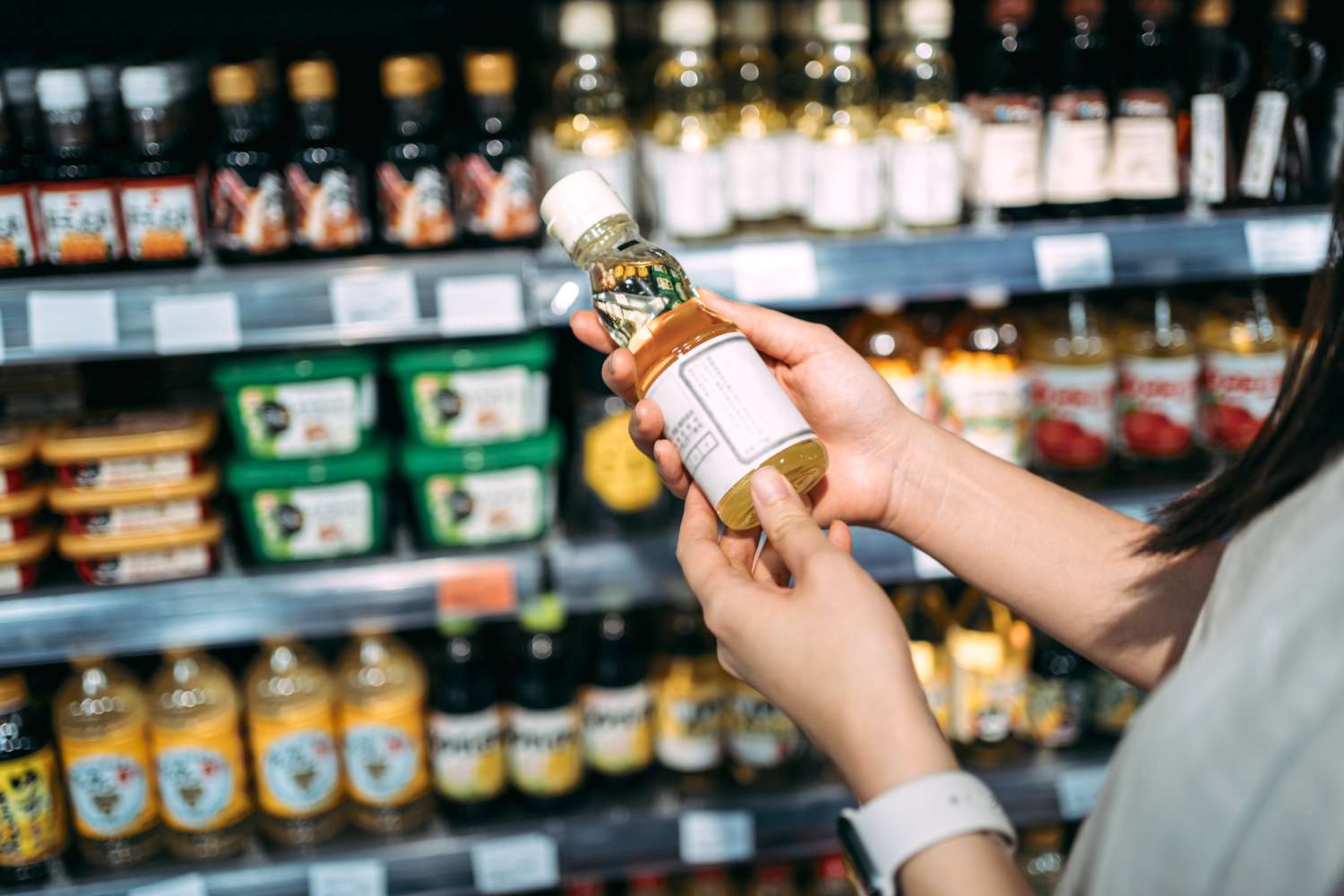
When selecting condiments, review nutrient claims and read product labels to determine the sodium content. Condiments and other food products use the following FDA guidelines when describing the amount of sodium in one serving:
- Salt/sodium-free: No more than 5 mg of sodium in each serving
- Very low sodium: No more than 35 mg of sodium in each serving
- Low sodium: No more than 140 mg of sodium in each serving
- Reduced sodium: A minimum of 25% lower sodium content in each serving than the standard version
- Light in sodium or lightly salted: A minimum of 50% lower sodium content in each serving than the standard version
- No-salt-added or unsalted: No salt added to the product, though it may not be salt/sodium free
:max_bytes(150000):strip_icc()/IMG_09172-9ca0040fa5e74df0b5aac42d8125d477.jpeg)