

:max_bytes(150000):strip_icc():format(jpeg)/VWH-GettyImages-1410516866-3c99a4982c584f8290f0c14115d08cc5.jpg)
Polyphenols are antioxidant and anti-inflammatory plant compounds found in colorful fruits and vegetables. Eating a variety of fresh, locally grown produce can help boost your intake of these nutrients, which are linked to better overall health.
1. Berries
Arx0nt / Getty Images
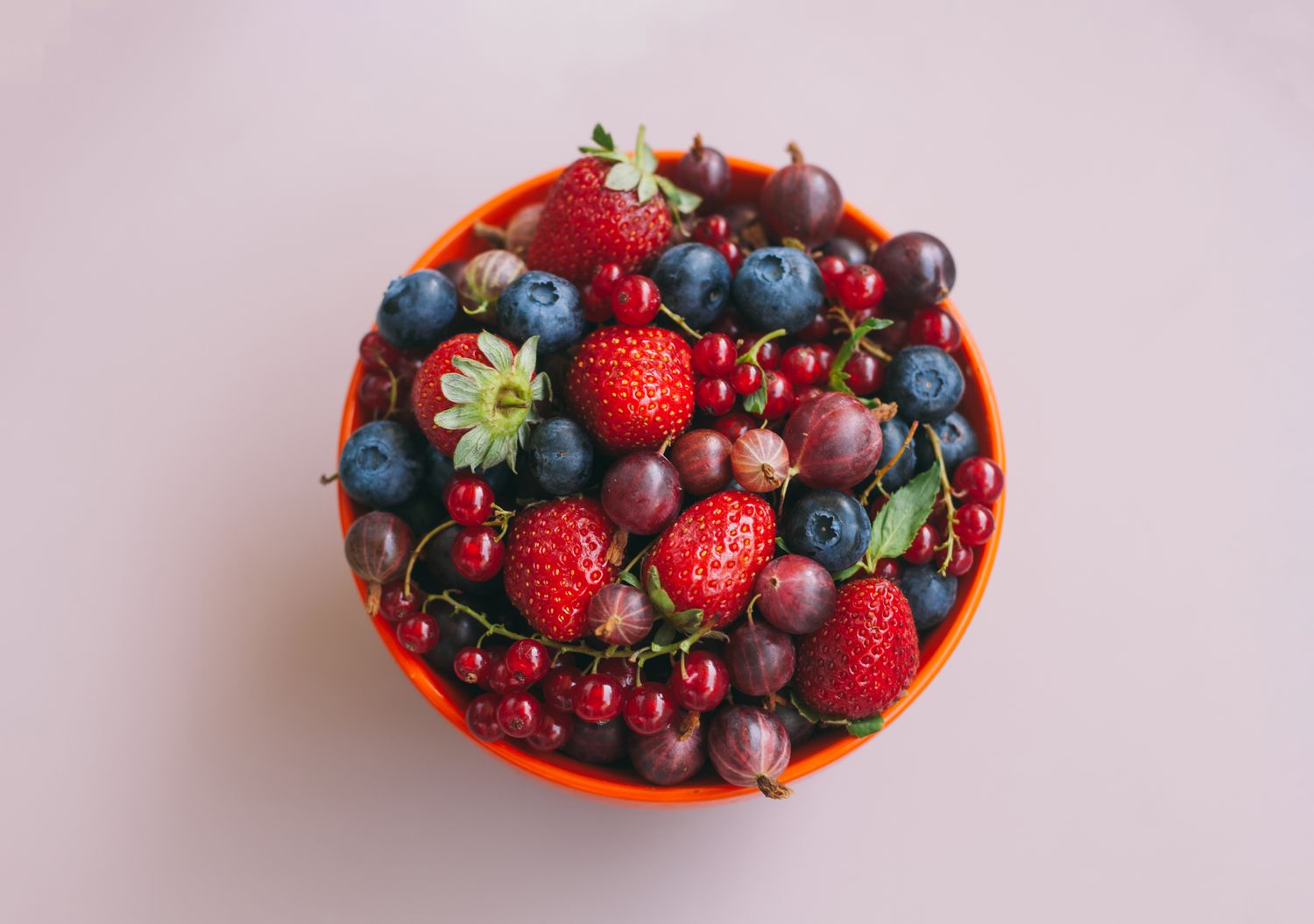
Blueberries have the highest polyphenol content among berries, having as much as 3-4 times the amount found in strawberries or raspberries.
Less popular, but also rich in polyphenols, is elderberry. Elderberries are often used to make a syrup, as they are not eaten raw. Black currants also have a lot of polyphenols.
Other more common berries that provide polyphenols in order of highest to lowest include blackberries, strawberries, and raspberries.
Berries can easily be added to your breakfast by adding to cereal, overnight oats, or yogurt bowls.
2. Fruits
pixelpot / Getty Images
Other fruits that contain polyphenols include:
- Plums
- Cherries
- Prunes
- Red grapes
- Apples
- Peaches
- Apricot
- Nectarine
- Pears
These fruits are great for snacking. They are also easy to pack for on-the-go snacking. Alternatively, they can be served with cereals, toasts, or salads.
3. Green Vegetables
eyewave / Getty Images
Some green vegetables contain a high amount of polyphenols. More popular vegetables that provide polyphenols include broccoli, spinach, and asparagus. Their polyphenol content is just one of the many reasons why experts recommend eating 2-3 cups of vegetables per day.
Broccoli can be easily added to an asian stir-fry dish or an Italian pasta dish. Broccoli alone is great roasted with some olive oil and salt as a side dish.
Black and green olives also contain a high amount of polyphenols. Other, less common vegetables that provide even more polyphenols include red or green chicory, artichokes, and red onion.
4. Dark Chocolate
GCapture / Getty Images
Cocoa powder and dark chocolate both have a very high polyphenol content. Dark chocolate has a higher content of polyphenols compared to milk chocolate.
5. Herbs and Spices
Razvan Dinu / 500px / Getty Images
Some herbs and spices that come from plants also contain polyphenols. Cloves, peppermint, and star anise have the highest polyphenol content of various spices.
Other, more popular herbs and spices with high polyphenol content include:
- Oregano
- Celery seed
- Sage
- Rosemary
- Thyme
- Capers
- Basil
- Curry
6. Nuts and Seeds
HUIZENG HU / Getty Images
Chestnuts have the highest content of all nuts. Hazelnuts, pecans, and almonds follow closely behind. In addition to the polyphenol content, nuts contribute fiber, protein, and essential fats to your diet.
Flaxseed meal has a very high polyphenol content. Soybeans and black beans also provide polyphenols.
Nuts can be easily added to breakfast bowls of oats or yogurt, used in salads, or enjoyed as a snack.
7. Whole Grains and Oats
Pencho Chukov / Getty Images
Some of the flours used in making whole grains contain polyphenols. These flours include:
- Whole grain hard wheat
- Maize
- Whole grain rye
- Whole grain wheat
- Whole grain oat
8. Coffee
fotograzia / Getty Images
Your morning cup of coffee provides polyphenols. In some cases, coffee contains more polyphenols than black or green teas.