

What is skin?
Your skin is the largest organ of the body and is made up of two main layers, the epidermis and dermis. The outer epidermis provides the main barrier, preventing water loss and protecting from pathogens, while the inner dermal layer ensures strength and elasticity, and supplies nutritional support.
The skin you show to the world is created deep in the dermis. These skin cells are pushed up, layer by layer, until they reach the surface. This process takes around four weeks, which means changes in your diet, for better or worse, may take a little while to show.
As well as providing your outer canvas, your skin regulates body temperature, provides a protective barrier and helps maintain fluid balance. A number of factors impact the health and appearance of your skin, including your genetics, age, hormone levels and conditions such as diabetes, as well as your diet and lifestyle. Helpful habits to establish include wearing a high-factor sunscreen all year round, minimising your stress when you can, and staying physically active.

What can I eat for glowing skin?
Many people have a favourite face cream or treatment, but there’s no denying that beautiful skin starts with nourishing it from within. Older skin cells are constantly being shed and replaced, which means a steady supply of nutrients is essential to support skin turnover. Eat the correct balance and you’ll feed your skin and help keep it soft, supple and blemish-free.
Wrinkles and age spots are inevitable, but ageing is also enhanced by overexposure to the sun, tanning beds, harsh soaps, chemicals and a poor diet. The answer is to fine-tune your skincare regime and modify lifestyle factors while optimising your nutrition by eating a varied, balanced diet that includes antioxidant-rich fruit and vegetables, healthy fats from oily fish and nuts, and adequate hydration.
Read on for our 12 top tips on eating your way to glowing skin.
Next, discover how gut health affects skin, how dietary fats can improve your skin and our review of the best collagen supplements.
1. Eat a minimum of five portions of fruit and vegetables every day
Fruits and vegetables contain powerful antioxidants that help protect skin from cellular damage caused by free radicals. These free radicals may be triggered by smoking, pollution and sunlight.
Eat a rainbow of colourful fruits and vegetables, and aim for at least five portions a day. Beta-carotene, found in orange fruit and vegetables such as carrots, sweet potatoes and pumpkins, and lutein, found in kale, papaya and spinach, are both important for normal skin cell development and healthy skin tone.
Discover what counts as one of your five-a-day.
Start your day with raspberry kefir overnight oats or sweet potato pancakes with orange & grapefruit.

2. Get your vitamin C
We need vitamin C to support the immune system, promote radiant skin and help blemishes heal. The best sources are blackcurrants, blueberries, broccoli, guava, kiwi fruits, oranges, papaya, strawberries and sweet potatoes.
Vitamin C is also key for producing collagen, the protein that forms the scaffolding that keeps our skin plump and supported, and strengthens the blood capillaries that supply the blood that nourishes our skin.
Read more about vital vitamins.
Try this vitamin C-rich lentil & tahini salad.
3. Eat enough vitamin E
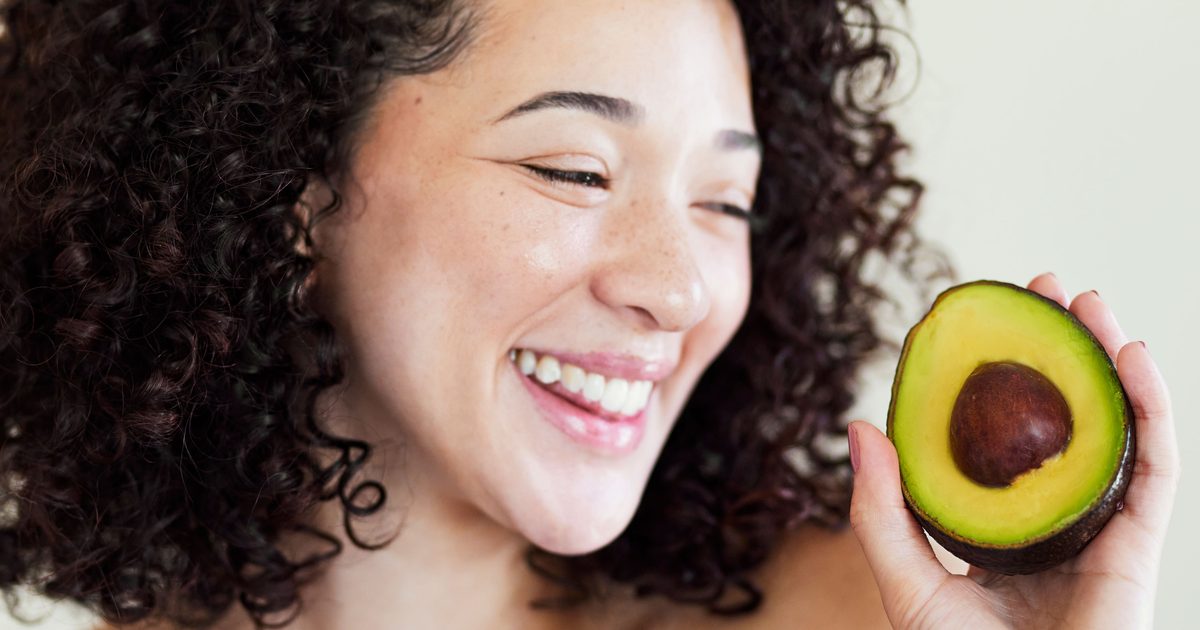
Vitamin E plays a key role in protecting the skin from oxidative (cell) damage and photo-ageing. Foods high in vitamin E include almonds, avocados, hazelnuts, pine nuts and sunflower and pumpkin seed oil.
Read more about what makes avocados so healthy.
Enjoy almond crêpes with avocado & nectarines.
4. Stock up on selenium
Selenium is a powerful antioxidant that works alongside vitamins C and E. Studies suggest that a selenium-rich diet may help protect against skin cancer, sun damage and age spots. One way to boost your intake is to eat Brazil nuts. Just two or three nuts will provide your recommended daily amount. Mix Brazil nuts with seeds rich in vitamin E as a snack or salad sprinkle. Other good sources of this mineral include fish, shellfish, eggs, wheatgerm, tomatoes and broccoli.
Read more about the health benefits of Brazil nuts.
Add the crunch of Brazil nuts to this easy pomegranate chicken.
5. Eat plenty of zinc
The mineral zinc helps keep skin supple by supporting the normal functioning of oil-producing glands in the skin. It’s also involved in the healing process and helps repair skin damage. Zinc-rich foods include fish, lean red meat, wholegrains, poultry, nuts, seeds and shellfish.
Read more about why we need vital minerals.
Try this skin-healthy combination of mushroom hash with poached eggs.

6. Include healthy fats
Certain fats act as a natural moisturiser for your skin, keeping it supple from the inside and improving elasticity. These fats include the monounsaturated and polyunsaturated varieties found in avocados, oily fish, nuts and seeds. These fats come cleverly packaged with a healthy dose of valuable vitamin E.
Pay special attention to food sources of a polyunsaturated fat called omega-3 fatty acids. These fatty acids are anti-inflammatory and may help alleviate skin conditions like eczema and psoriasis. They also form the building blocks of healthy skin.
You can find omega-3 fatty acids in oily fish such as salmon, trout and sardines, as well as plant sources including flaxseed, chia seeds, walnuts and rapeseed oil.
Discover the health benefits of salmon.
For a nutritious dinner, try sesame salmon with purple sprouting broccoli & sweet potato mash.
7. Eat more fibre
Fibrous foods, like wholegrains, beans and pulses as well as nuts, seeds and vegetables, are not just fibre-rich, they feed the beneficial bacteria that make up your gut microbiome. This helps reduce inflammation throughout the body and promotes the healthy elimination of toxins; it may also help with acne, skin rashes and premature skin ageing.
Learn more with our fibre guide.
8. Support your gut health with fermented foods
Whether your concerns centre around common skin conditions like eczema and rosacea or you simply want your skin to age well, you need to consider the health of your gut. This is because any imbalance in your gut microbiome may show up in your skin.
Beneficial gut bacteria, often referred to as probiotics, have become synonymous with helping to maintain digestive health, whether taken as daily supplements, or ingested as active cultures in live organic yogurt and other fermented foods. The benefits of these ‘friendly’ bacteria are now thought to extend beyond the digestive tract, and include helping to keep skin clear.
By supporting the gut, probiotics create a healthy, sealed barrier that prevents the inflammation that can trigger breakouts. To promote the growth of good gut bacteria, aim to include fermented foods like kefir, kimchi and sauerkraut as well as live yogurt in your daily diet.
Discover more digestive health recipes and tips.

9. Eat more phyto-estrogens
Phyto-estrogens are natural compounds found in plants. They have a similar structure to the female sex hormone oestrogen, and are thought to help keep our natural hormones in balance. This is important because oestrogen plays an important role in skin health, especially in supporting skin structure and minimising skin damage.
There are different types of plant ‘oestrogen’. Some (isoflavones) are found in soya, such as tofu and tempeh, while others (lignans) are found in the fibre of wholegrains, fruit, vegetables and flaxseed.
Find out more about the health benefits of soya.
Give tempeh a go with our tasty tempeh traybake.
10. Drink 6-8 glasses of water a day
Skin needs moisture to stay flexible. Even mild dehydration may leave your skin looking dry, tired and slightly grey. Experts recommend we drink 6-8 glasses of water a day. All fluids count towards your daily allowance but water is best.
If you work in an office, keep a large bottle of water on your desk to remind you to drink. Caffeine-free herbal teas are good too. Don’t forget that some fruit and vegetables, such as watermelon, courgette and cucumber, also contribute fluids – the added benefit is that the minerals they contain will increase the rate you hydrate your body and skin.
Discover how to stay hydrated.
Give yourself a hydration boost with our watermelon & strawberry slushie and watermelon lollies.

11. Choose low-GI carbs
The glycaemic index (GI) is a system that ranks carbohydrate-based foods on how slowly or quickly they are broken down in the body to glucose. Try to eat plenty of beans, pulses, porridge and other low-GI foods. These release their energy into the blood stream gradually, providing you with a steady supply of energy and leaving you feeling satisfied and less likely to snack.
Avoid high-GI foods such as biscuits and sugary drinks, as they lead to production of insulin, which may damage collagen and accelerate wrinkles.
Try our tuna, asparagus & white bean salad or porridge with blueberry compote.
Learn more about what the glycaemic index is and discover our favourite low-GI recipes.
12. Don’t crash diet
Repeatedly losing and regaining weight will take its toll on your skin, causing sagging, wrinkles and stretch marks. Crash diets are often deficient in essential vitamins and minerals too. Over long periods of time this type of dieting will reflect on your skin.
If you’re considering a weight-loss plan, make sure you have all the facts first – explore our expert guides to popular diets and read the 11 things you should consider before starting a diet.
Smoking and excessive alcohol consumption are two other lifestyle factors that will impact the look and appearance of your skin.

What foods to avoid for healthy skin
1. Watch the sugar
Sugar can speed up the rate your skin ages. This is because it forms molecules called advanced glycation end products (AGEs) in the dermis. The skin protein collagen acts as a natural scaffold for your skin. Collagen is springy and bouncy, but when sugar molecules attach themselves to the collagen fibres, it becomes stiff and creates ‘sugar sag’.
Follow guideline advice and aim to eat no more than 30g of ‘free’ sugars a day: this includes the sugar added to foods and drinks, and excludes the natural sugars found in whole fruit, vegetables and milk.
Try our 8 ways to cut down on sugar.
2. Banish the booze
It’s hard to find a skin-related silver lining when it comes to alcohol. It can lead to an acceleration in fine lines on the upper face including the forehead and around the eyes. Overdoing your favourite tipple can also cause flare-ups of pre-existing conditions including eczema and rosacea, plus alcohol wreaks havoc on hormones and sleep.
Find out more in our article, How to drink responsibly.
3. Ultra-processed foods
The good news is that it’s not necessary to demonise all processed food, which includes tinned fish, cheese and dried fruit. But we do need to be mindful of ultra-processed foods, which are often high in fat, sugar and additives, and as such may affect the gut, disrupt blood sugar levels and influence weight.
It’s worth remembering that we don’t fully know the implications of ultra-processed foods and although there is an association between the regular consumption of fatty and sugary foods and adult acne, there is still more for us to learn in this area.
Find out more in our article: What’s the truth about UPFs? A nutritionist evaluates.

Eat to beat common skin problems
Does diet affect acne?
Acne is commonly linked to changes in hormone levels at puberty and peri-menopause. Fluctuating hormones can stimulate the oil-producing glands, which can trigger an inflammatory response and lead to signs of acne.
In order to help minimise acne, follow these tips:
- Cut back on saturated fats and the fats found in processed foods
- Eliminate junk food as well as foods high in sugar, such as cakes and biscuits
- Eat more raw vegetables, wholegrains, fresh fruit and fish
- Include foods rich in selenium, such as Brazil nuts, cashew nuts, fresh tuna, sunflower seeds, walnuts and wholemeal bread
- Consider a Mediterranean diet: this style of eating has been linked with reduced acne severity
Does diet affect psoriasis?
Psoriasis is characterised by red skin patches with silvery scales, most commonly on the elbows and knees. These patches are caused by rapid growth and turnover of cells in the outer layer of the skin. Patches can be itchy and sore, and, in severe cases, the skin may crack and bleed.
Sunburn, alcohol, smoking, obesity and stress are all implicated but there may also be trigger foods – these are best identified using an exclusion diet. You should be aware that this sort of diet should only be conducted under the supervision of a registered dietician. Discuss a referral with your GP.
Consider these dietary changes:
- Minimise saturated fat from red and processed meats
- Focus on healthy fats, including omega-3 fatty acids from oily varieties of fish, as well as cold-pressed nut and seed oils
- Consider including anti-inflammatory herbs and spices such as turmeric, ginger, cumin, fennel, rosemary and garlic
Does diet affect eczema?
Eczema is a skin condition that usually begins as patchy redness – often on the hands, but it can appear anywhere on the skin. Although there are many triggers, one of the most common is a food sensitivity. An exclusion diet may be helpful but should only be implemented under the guidance of a health practitioner, such as a registered dietician.
Potential offending foods may be milk, eggs, fish, cheese, nuts and food additives.
To help alleviate symptoms, be sure to include foods rich in omega-3 fatty acids, zinc and vitamin E.
Seek professional advice from your GP or a registered dietician before making changes to your diet or commencing an exclusion diet. For persistent skin conditions, talk to your GP or consider a referral to a dermatologist.
Like this? Now try:
Top 10 healthy, mood-boosting recipes
Energy-boosting dinner recipes
Healthy recipes for weight loss
50 easy ways to lose weight
Have you used diet to improve the health and appearance of your skin? If so, share your experiences in the comments below.
This page was reviewed on 10 April 2026 by Kerry Torrens.
Kerry Torrens BSc. (Hons) PgCert MBANT is a Registered Nutritionist with a postgraduate diploma in Personalised Nutrition & Nutritional Therapy. She is a member of the British Association for Nutrition and Lifestyle Medicine (BANT) and a member of the Guild of Food Writers. Over the last 15 years she has been a contributing author to a number of nutritional and cookery publications including Good Food. Find her on Instagram at @kerry_torrens_nutrition_
Jo Lewin is a registered nutritionist (RNutr) with the Association for Nutrition with a specialism in public health. Follow her on Twitter @nutri_jo.
All health content on goodfood.com is provided for general information only, and should not be treated as a substitute for the medical advice of your own doctor or any other healthcare professional. If you have any concerns about your general health, you should contact your local healthcare provider. See our website terms and conditions for more information.