

:max_bytes(150000):strip_icc():format(jpeg)/the-benefits-of-vitamin-c-supplements-89083-primary-recirc-ec07af56471e41caa683c0d7ed67c6b2.jpg)
Key Takeaways
- Vitamin C supports immune health and protects cells, acting as a powerful antioxidant that helps reduce oxidative stress linked to chronic conditions like heart disease and arthritis.
- It may offer targeted health benefits, including improving iron absorption, supporting wound healing and skin health, and modestly shortening the duration or severity of colds.
- Most people can meet their needs through food, such as citrus fruits, peppers, and broccoli.
Vitamin C supports many essential functions in the body, including immune health, tissue growth and repair, iron absorption, and protection against cell damage as an antioxidant.
1. May Lower Risk of Chronic Illnesses
Vitamin C is an antioxidant, meaning it helps neutralize free radicals—unstable molecules that can damage cells and contribute to disease. Excess free radicals can lead to oxidative stress, a condition linked to chronic illnesses such as heart disease, rheumatoid arthritis, COPD, and kidney disease.
Preventing or reducing oxidative stress may help:
- Boost your immune system
- Lower inflammation
- Keep your cells healthy
However, research into using antioxidants for specific conditions has been mixed. While they’re generally considered good for your health, don’t expect vitamin C or any other antioxidants to take the place of other treatments.
2. May Lower Heart Disease Risk
Oxidative stress is thought to contribute to heart disease. This is because it can trigger atherosclerosis, which is the thickening or hardening of arteries due to the build-up of plaque. This can lead to coronary artery disease.
Studies have also suggested that oxidative stress may play some role in:
- Ischemia (impaired blood flow)
- Hypertension (high blood pressure)
- Cardiomyopathy (conditions of the heart muscle)
- Cardiac hypertrophy (enlargement and thickening of the heart muscle)
- Congestive heart failure (impaired pumping ability)
One promising study suggested that vitamin C supplements may help lower blood pressure in people with hypertension. Even so, most research into vitamin C for heart disease has mostly found no effect.
3. Can Prevent Gout Attacks
Gout is a common, intensely painful form of arthritis that most often affects the big toe. It occurs when excess uric acid in the blood forms crystals in the joints, triggering inflammation and sudden, severe pain.
Vitamin C may help prevent gout by lowering levels of uric acid in the blood. However, while the results have been promising, more high-quality studies on humans are needed.
4. May Aid Iron Absorption
Because vitamin C helps improve iron absorption, healthcare providers have long recommended taking it alongside iron supplements when treating iron deficiency anemia.
One study found that vitamin C increased iron absorption by 67%. However, one other study suggested that iron supplements alone improved anemia just as much as iron plus vitamin C.
The different results may be related to what kind of iron people took. More research is needed.
5. Boosts Immunity
Vitamin C’s best known for its role in boosting the immune system. It does this by:
- Helping your body make specialized immune cells that guard against infection
- Improving immune cell function
- Protecting against free radical damage
Studies show vitamin C may help with certain infections, such as:
- COVID-19
- Pneumonia
- Sepsis (an extreme, life-threatening response to infection)
- Other respiratory infections
6. Speeds Up Skin Healing
Vitamin C is also sometimes used orally (by mouth) or topically (applied to the skin) for skin healing. According to research, vitamin C use may:
- Reduce deaths from severe burns (in high oral or IV doses soon after hospital admission)
- Promote wound healing
- Reduce skin inflammation in conditions such as psoriasis and atopic dermatitis
- Protect skin against sun damage
These effects are largely attributed to vitamin C’s antioxidant properties and its role in supporting collagen production. Because collagen exists in deeper layers of the skin, this benefit is more effectively achieved through diet or supplements than through topical application.
7. Fights the Common Cold
Several studies suggest vitamin C supplements:
- May shorten the duration of the common cold
- May reduce the severity of cold symptoms
- May reduce the likelihood of colds in people in extreme environments (e.g., soldiers, endurance athletes)
Even these points aren’t firmly conclusive, though. Some studies have found that vitamin C may have only a minimal or no effect on the duration of a cold.
8. Slows Age-Related Macular Degeneration
Age-related macular degeneration (AMD) is an eye disorder that can, over time, cause blindness. Some research suggests vitamin C and antioxidants may slow down its progression.
The Age-Related Eye Disease Study (AREDS) included almost 3,600 older adults with AMD. The participants were divided into four groups and given different treatments:
- Group 1: Antioxidant supplements: vitamin C, beta carotene, vitamin E
- Group 2: Zinc, copper
- Group 3: Antioxidants plus zinc
- Group 4: Placebo
After six years, those who took supplements had less AMD progression. However, researchers can’t be sure that vitamin C itself made a difference.
This is an older study, though. Since then, several other studies have failed to show that vitamin C alone is helpful against AMD. However, one review found vitamin C, taken alone with vitamin E, beta‐carotene, and zinc, probably slows down progression to late AMD.
9. Protects Brain Health
Research suggests regular dietary intake plus supplements may protect you from neurodegeneration related to aging and diseases such as:
Vitamin C may even help treat or lower your risk of mental health disorders, including:
- Depression
- Anxiety
- Schizophrenia
However, this work is preliminary, and more research is needed.
Side Effects of Too Much Vitamin C
Vitamin C is generally considered safe, but high doses can cause side effects. These may include:
How Much Vitamin C Do I Need Each Day?
For most healthy people, it is easy to get adequate amounts of vitamin C through food. The Recommended Dietary Allowance (RDA) for vitamin C is as follows.
| Age | Daily Vitamin C Dose |
|---|---|
| 0 to 6 months | 40 mg |
| 7 to 12 months | 50 mg |
| 1 to 3 years | 15 mg |
| 4 and 8 years | 25 mg |
| 9 to 13 years | 45 mg |
| 14 to 18 years (females) | 65 mg |
| 14 to 18 years (males) | 75 mg |
| 14 to 18 years (during pregnancy) | 80 mg |
| 14 to 18 years (breastfeeding) | 115 mg |
| 19 years and over (females) | 75 mg |
| 19 years and over (males) | 90 mg |
| 19 years and over (during pregnancy) | 85 mg |
| 19 years and over (breastfeeding) | 120 mg |
There are two important caveats to these recommendations:
- If you smoke, take an additional 35 mg per day.
- If you’ve been diagnosed with a vitamin C deficiency, you’ll need between 100 and 200 mg per day until a blood test shows normal levels.
How to Add Vitamin C to Your Diet
Most people can get the required amounts of vitamin C from food. Fruits and vegetables, especially citrus fruits, are good sources. This include:
- Raw red bell peppers
- Orange juice
- Orange
- Kiwi
- Raw green peppers
- Cooked broccoli
- Strawberries:
- Cooked Brussels sprouts
- Tomato juice
- Cantaloupe
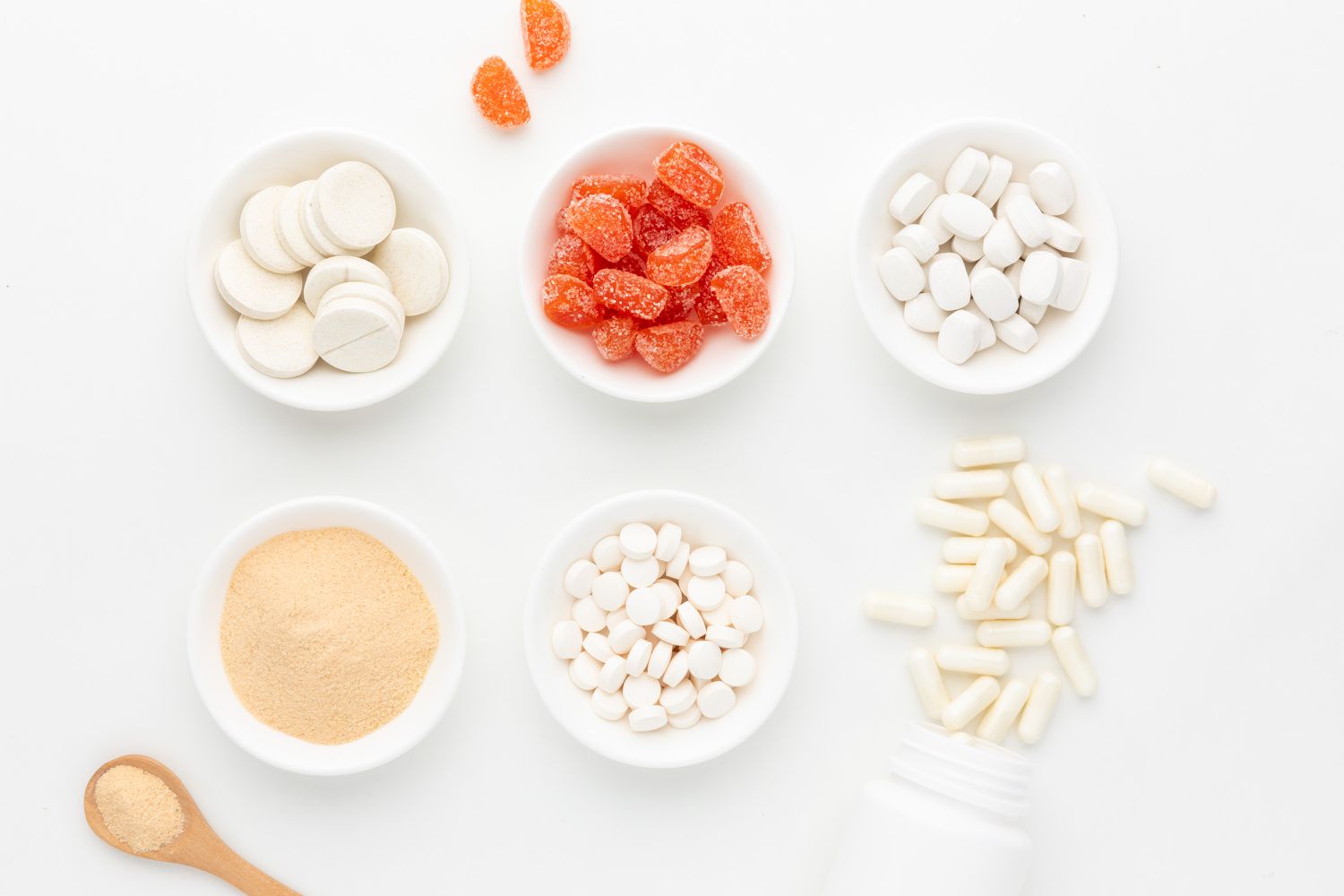
If you don’t get enough vitamin C from diet, a supplement can help get you to the right levels. Multiple formulations are readily available. You can buy them from most stores and websites that sell nutritional supplements.
In the United States, the Food and Drug Administration (FDA) does not regulate supplements the way it regulates prescription drugs. That means some supplement products may not contain what the label says. When choosing a supplement, look for independently tested products and consult a healthcare provider, registered dietitian nutritionist (RD or RDN), or pharmacist.