

9 heart-healthy foods
- Oily fish
- Healthy fats
- Fruit and vegetables
- Warming herbs and spices
- Calcium-rich foods
- Plant-based protein
- Fibre
- Seeds
- Dark chocolate (85% and above) and green tea
Heart healthy foods
1. Oily fish

Oily fish such as salmon, mackerel, sardines and trout contain beneficial fats that help manage blood clotting, improve blood triglyceride levels (a type of fat in your blood) and boost circulation. They’re also packed with omega-3 fats, which have a blood-thinning effect and help regulate heart rhythms.
Guidelines recommend eating two portions of fish a week, one of which should be an oily variety. If you have heart health concerns, you may wish to aim for up to four portions each week and use gentle methods of cooking, such as poaching and baking, to protect the heart-healthy oils. Where your budget permits, buy wild-caught rather than farmed fish, as it has a superior fat composition.
2. Healthy fats

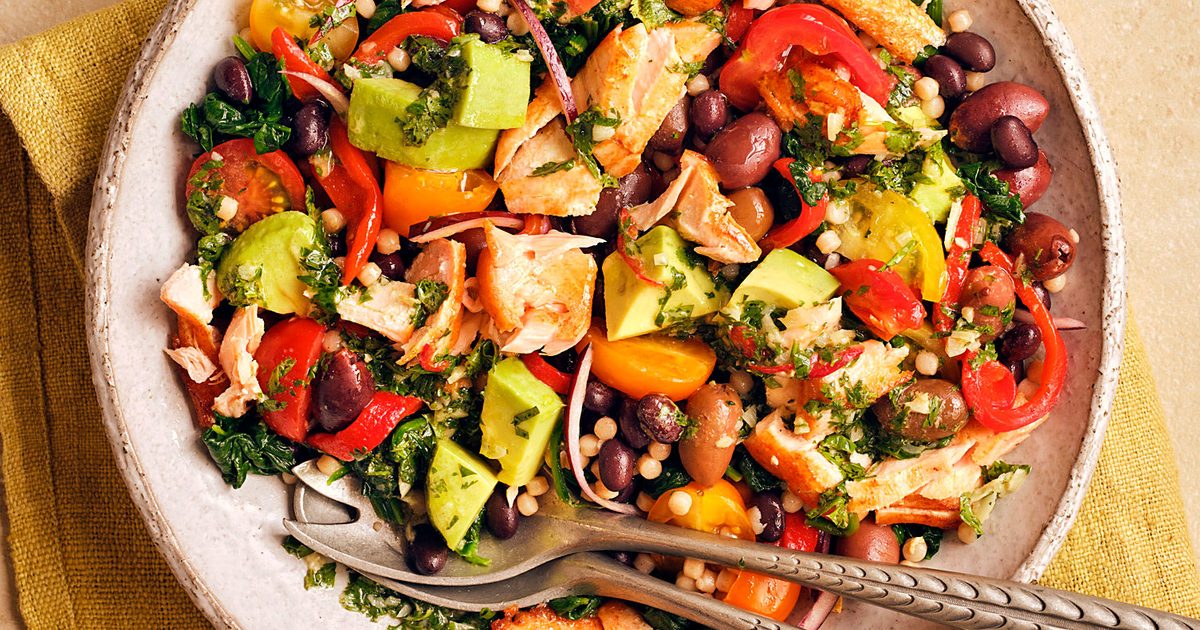
Avocado, nuts (like walnuts), seeds (like chia and flaxseed) and oils (like rapeseed and olive oil) are all examples of heart-friendly fats. Extra virgin olive oil is rich in protective compounds called polyphenols that are linked to disease prevention, but it doesn’t heat well – that’s why we’ve used cold-pressed rapeseed oil for cooking our heart-friendly zesty salmon with roasted beets & spinach.
Loaded with heart-healthy monounsaturated fats (and with half the saturated fat of olive oil), rapeseed oil can withstand high temperatures, making it the ideal cooking oil. It’s also a great source of protective vitamin E, making it a useful contribution towards your daily requirements.
Avocados, meanwhile, are a great source of potassium – useful for maintaining healthy blood pressure. Peel them carefully, though, as many of the beneficial nutrients are found in the dark green flesh.
3. Fruit and vegetables

For every extra 200g of fruit and veg you eat a day, you can reduce your risk of ischaemic stroke by a third, so aim high! Fruit and vegetables are packed with potassium to help manage blood pressure, as well as protective antioxidants that help minimise damage to your arteries.
Keep it varied and enjoy a wide mixture of fruit and veg, including red cabbage, aubergine, tomatoes, berries and watermelon, and green leafy veg, such as kale and watercress. We’ve included beetroot in our zesty salmon recipe because it’s rich in heart-healthy nutrients like magnesium and potassium to help manage blood pressure, plus natural nitrates to dilate blood vessels and keep blood flowing.
We’ve also included garlic – ideally eaten raw, it has impressive health credentials. Chop, grate or crush to activate the compound allicin, and prepare 10 minutes before you need it. If you’re adding it to a cooked dish, do so close to the end of cooking to retain the health benefits.
Red onion is rich in quercetin, which helps repair damage to blood vessels and improve blood flow.
When it comes to oranges, don’t forget the zest – it’s rich in protective compounds like hesperidin, which helps balance blood pressure and protect arteries.
4. Calcium-rich foods

Consuming calcium-rich foods such as dairy, tofu, leafy greens and tahini can all support heart health, as calcium helps lower blood pressure and regulate the heart muscle.
5. Warming herbs and spices

Spices such as ginger, chilli, cinnamon, oregano and allspice can help reduce inflammation and protect the cardiovascular system.
6. Plant-based protein

Try eating more beans, lentils, tofu and nuts, which are linked to a reduced risk of CVD. In addition, soy-based products and legumes contain phytoestrogens, which have been found to support vascular health.
7. Fibre

Wholegrains (oats, quinoa, brown rice), legumes (lentils, chickpeas) and vegetables are all high in fibre, particularly the soluble type that helps lower LDL (‘bad’ cholesterol). Fibre also slows digestion and stabilises blood sugar. Studies show that increasing fibre intake significantly reduces CVD risk and mortality.
Pulses and wholegrains are also a good source of magnesium, which helps relax blood vessels while the fibre they supply manages cholesterol levels. Enjoy porridge, unsweetened muesli, pulses and beans regularly. When you increase fibre, you also need to drink more fluids to help it work more effectively. Aim for about three portions of wholegrains daily.
8. Seeds

Coriander seeds can help you manage cholesterol levels, while pumpkin seeds can help maintain healthy blood vessels – they’re also a tasty top up to your calcium, magnesium and zinc intake.
9. Dark chocolate (85% and above) and green tea

Both dark chocolate and green tea contain flavonoids that help lower blood pressure, but green tea also contains antioxidants that help lower LDL cholesterol and improve blood vessel function.
What foods to avoid for a healthy heart
Processed meats and red meat

A high intake of processed and red meats is associated with increased CVD risk. Cutting back on processed meats – such as sausages and burgers – can contribute to better heart health. Try swapping out meat for plant-based sources of protein.
Refined carbs and sugars

Studies show that diets high in refined carbs and added sugars are linked to adverse CVD outcomes. Try swapping desserts like cakes, biscuits, sweets and pastries for fresh fruit and yogurt.
Excess salt

Watch your intake of salt: that means cutting back on processed foods and takeaways. High sodium intake is associated with increased blood pressure, which is a risk factor for CVD. Try slowly reducing or halving the salt you use in recipes, and avoid added salt at the dinner table.
Alcohol drinks
Keep your alcohol consumption within government guidelines, and aim to have at least two consecutive days a week that are alcohol-free. Discover more in our guide from Drinkaware on how to drink responsibly.
What else can I do to protect my heart?
Regular exercise

Regular physical activity is associated with a significant reduction in CVD risk. Aim for at least 150 minutes of moderate intensity (brisk walking, cycling) or 75 minutes of vigorous intensity (such as a HIIT workout) aerobic exercise per week.
Prioritise sleep

Research shows that poor sleep quality is linked to an increased risk of CVD and stroke. Aim for seven to nine hours per night, and try to go to bed and wake up at the same time every day, even at weekends.
Manage stress

Chronic stress contributes to high blood pressure and other cardiovascular risk factors. Try to add stress management techniques to your daily routine, like meditation and mindfulness. And, laugh more – laughter is known to lower stress hormones.
For more information on heart health visit bhf.org.uk or find more recipes and tips for a healthy heart in our guides:
Spotlight on heart disease
Top 10 tips for a healthy heart
How to serve heart healthy portions
How to lose weight and keep it off
This page was last updated on 6 May 2026.
Kerry Torrens is a qualified Nutritionist (MBANT) with a post graduate diploma in Personalised Nutrition & Nutritional Therapy. She is a member of the British Association for Nutrition and Lifestyle Medicine (BANT) and a member of the Guild of Food Writers. Over the last 15 years she has been a contributing author to a number of nutritional and cookery publications including BBC Good Food.
All health content on bbcgoodfood.com is provided for general information only, and should not be treated as a substitute for the medical advice of your own doctor or any other healthcare professional. If you have any concerns about your general health, you should contact your local healthcare provider. See our website terms and conditions for more information.