

Key Takeaways
- Elderberry is rich in antioxidants and other beneficial compounds, including vitamins C and A, which help strengthen the immune system and combat inflammation.
- Elderberry works best when taken at the onset of symptoms, to shorten the duration and severity of a cold or the flu.
- Consistently using elderberry supplements during high-risk periods, such as travel or flu season, can help support immune function.
Elderberry (Sambucus nigra) is a dark purple berry from the black elder tree. It has a long history in folk medicine to treat respiratory infections. Many people use elderberry supplements for immune support and relief from cold and flu symptoms.
The best time to take elderberry depends on whether your goal is to treat early symptoms or strengthen your overall immunity.
Take It At Symptom Onset Reduce Cold Severity and Duration
No evidence suggests that elderberry can prevent viral respiratory illnesses; however, it may help shorten the duration of the illness and reduce the severity of symptoms once an illness has started.
Elderberry works best when you start taking it at the first sign of illness. One study found that the supplement shortened the length of a cold by two days. Another study showed that people with the flu recovered three to four days sooner when they used elderberry.
Antioxidant compounds in elderberries appear to stop viruses from spreading between cells, limiting the length of the infection and helping you feel better sooner.
Raw Elderberries Are Not Safe for Consuption
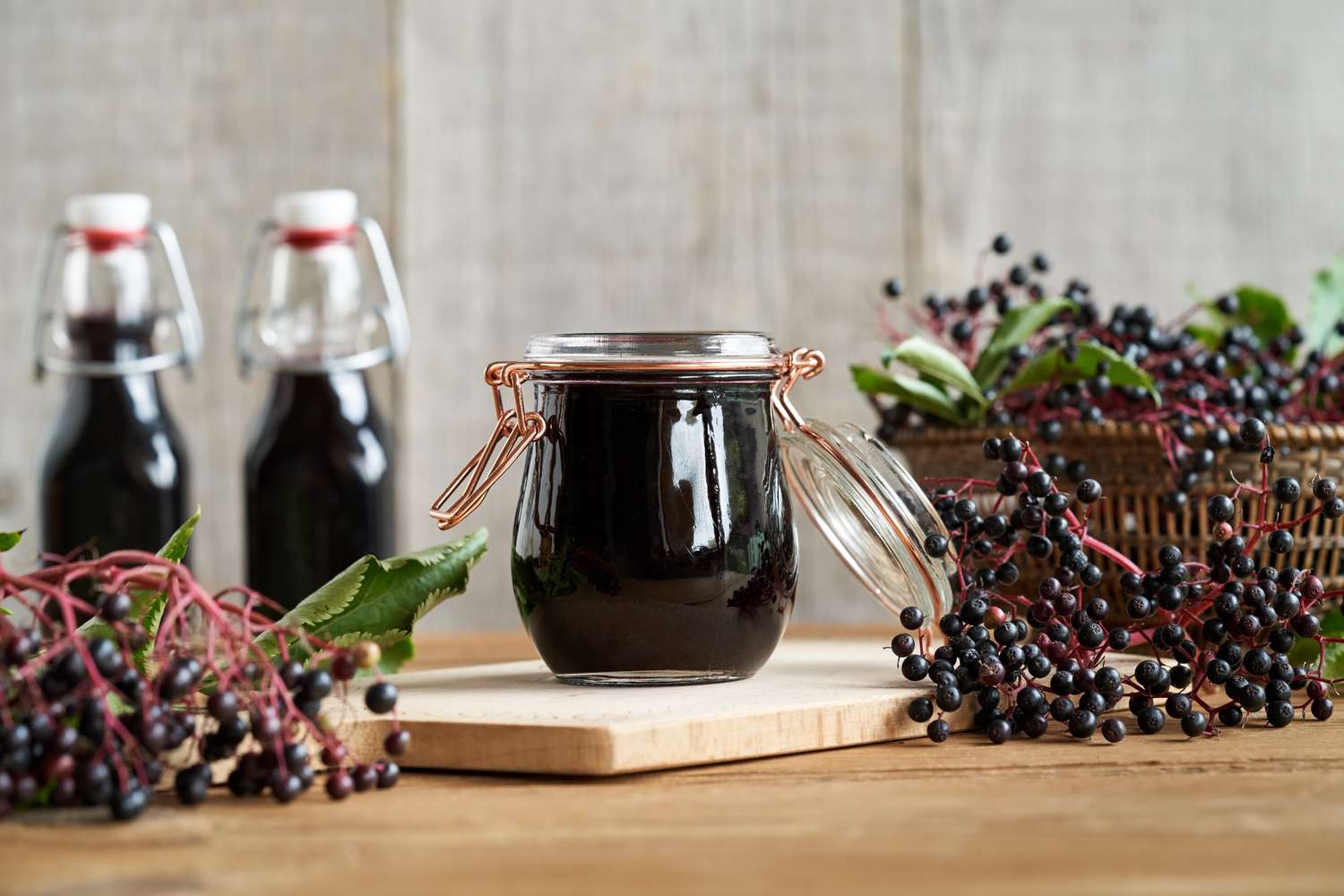
The raw fruit, leaves, and bark of the black elder tree contain cyanide-producing compounds that can cause nausea, vomiting, and severe diarrhea. If you make your own elderberry syrup at home, you must boil the berries thoroughly to remove these harmful compounds and ensure they are safe to consume.
Take It Consistently for Immune Support
For general immune support, consistency matters more than the timing of your elderberry intake.
A steady intake of antioxidant compounds from elderberry can help strengthen your immune system. The flavonoids (antioxidant plant compounds) in elderberry may help the body manage oxidative stress (an imbalance of stable and unstable molecules in the body) and support overall immune function.
Some people choose to take elderberry only during specific times of the year, such as the weeks leading up to cold and flu season or before the start of the school year. Taking elderberry may boost your immune system during periods of increased viral exposure.
The antioxidants in elderberry do not accumulate in the body over time; regular intake helps ensure your body consistently receives antioxidant support.
What Nutrients Does Elderberry Offer?
The flavonoids in elderberries may support immune health. These include anthocyanins, antioxidants that give the berries their deep purple color and help protect cells from damage, as well as support overall immune health.
Elderberries also provide other nutrients that support immune function, including:
- Vitamin C: Supports the production and function of white blood cells that help the body fight infections.
- Fiber: Supports gut health, which plays an important role in regulating immune function.
- Iron: Helps transport oxygen throughout the body and supports normal immune and organ function.
How Much Elderberry Should You Take?
There is no standard dose for elderberry. Most supplement brands suggest a daily serving amount based on age and the product form. A typical adult dose is 650-1500 milligrams (mg) per day. Elderberry supplements come in several different forms, including:
- Syrups: The most traditional form of elderberry. Many people prefer syrup because it is easy to swallow and often contains honey for extra throat relief.
- Gummies: Provide a convenient way to get your daily dose without needing a spoon or water.
- Capsules and tablets: Ideal for people who want to avoid the sugar often included in syrups or gummies. This form provides a tasteless, concentrated dose.
- Teas and lozenges: You can use these to soothe a sore throat or stay hydrated while you are sick.
:max_bytes(150000):strip_icc()/ScreenShot2020-09-29at10.46.05AM-8b2f4ab0e9404529a4ab1e3bc782c78c.png)