

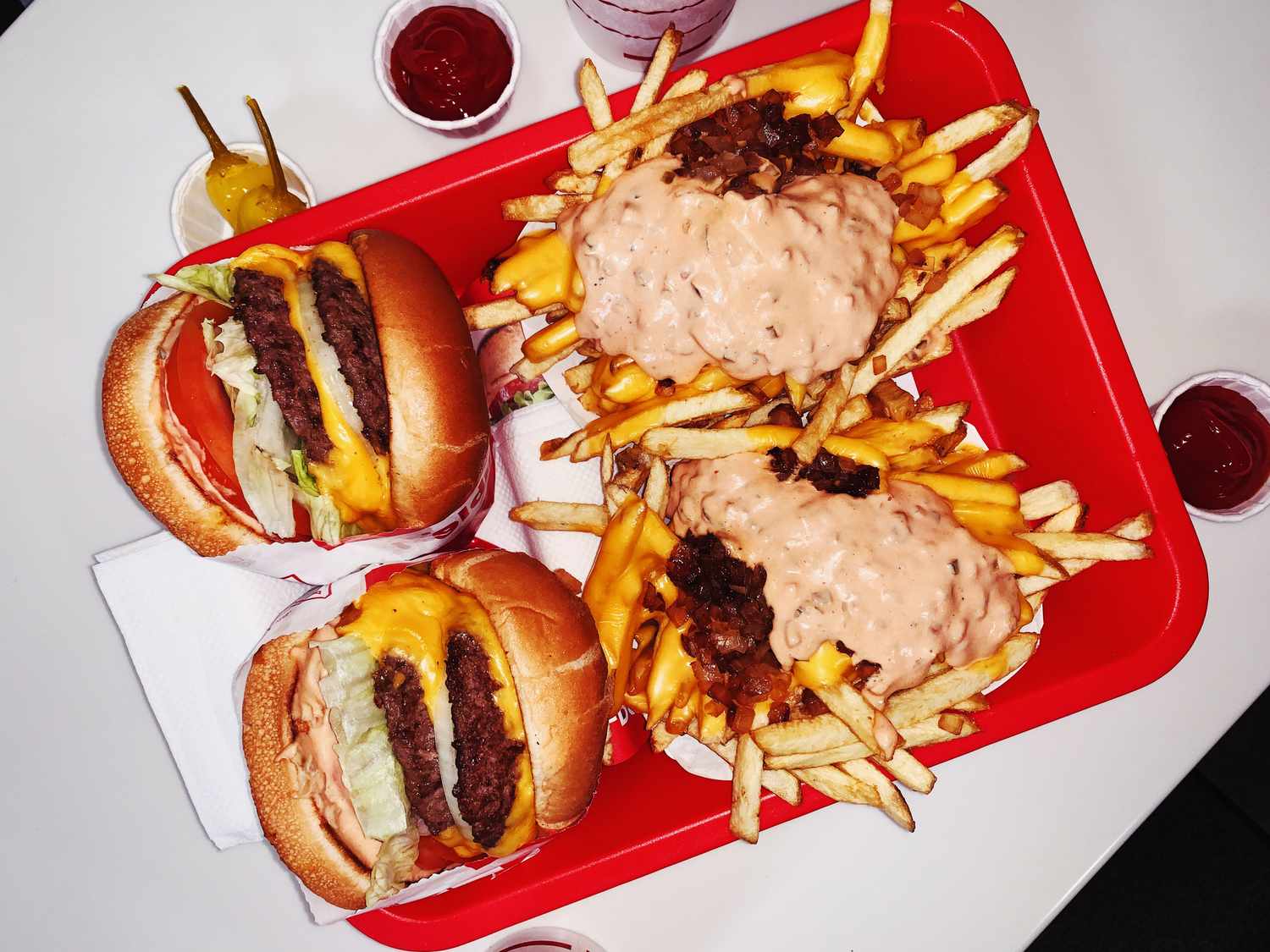
Can overindulging in a single meal trigger a heart attack? Research suggests that eating a heavy meal might increase the risk of a cardiac event in people with underlying heart disease, especially in the first few hours after eating.
Digestion requires extra work from the body, especially after large or rich meals that take longer to break down.
To support digestion, the body redirects blood to the gastrointestinal tract, which can change blood flow and pressure elsewhere. In rare cases, those shifts could create the right conditions for trouble. For example, they may contribute to the rupture of an existing plaque in a coronary artery or result in a clot that blocks blood flow to the heart.
Those plaques don’t form because of a single indulgent meal. They typically build up over years, driven by factors such as high cholesterol, smoking, and chronic inflammation.
Some research from the late 1990s suggested that meals high in saturated fat may briefly make blood more likely to clot, which could increase the risk of a heart attack or stroke. While clot formation is typically a gradual process, those studies raised the possibility that, in certain high-risk individuals, clotting could occur more acutely after a very heavy meal.
For most healthy people, however, overeating for a meal is more likely to cause discomfort than a heart problem, and it’s unlikely to raise the risk of a cardiac event.
Any potential risk of a heart attack largely depends on a person’s underlying health. Older adults and people who smoke, have heart disease, have had a prior heart attack, take certain medications, or have a strong family history of heart disease may be more vulnerable. Even then, the risk from a large meal is similar to that associated with other common triggers, such as intense exercise or emotional stress.
:max_bytes(150000):strip_icc()/norman-dd595cddde654266bd40199db77e316f.jpg)