

:max_bytes(150000):strip_icc():format(jpeg)/Marijuana-and-diabetes-5105170_final-a5fdef8bfbb94a448a6d788e54a4d7b9.jpg)
Key Takeaways
- Medical marijuana may help manage blood sugar levels in people with type 2 diabetes.
- Marijuana might assist in managing nerve pain from diabetic peripheral neuropathy.
- Some studies show cannabis could help protect against diabetic retinopathy. More research is needed on benefits and risks.
The use of medical marijuana has been steadily increasing. Because of this, healthcare providers have been trying to gain a better understanding of its effects on health. This has led to some interesting research findings on the potential benefits of using medical marijuana in helping to manage symptoms of diabetes.
What Is Medical Marijuana?
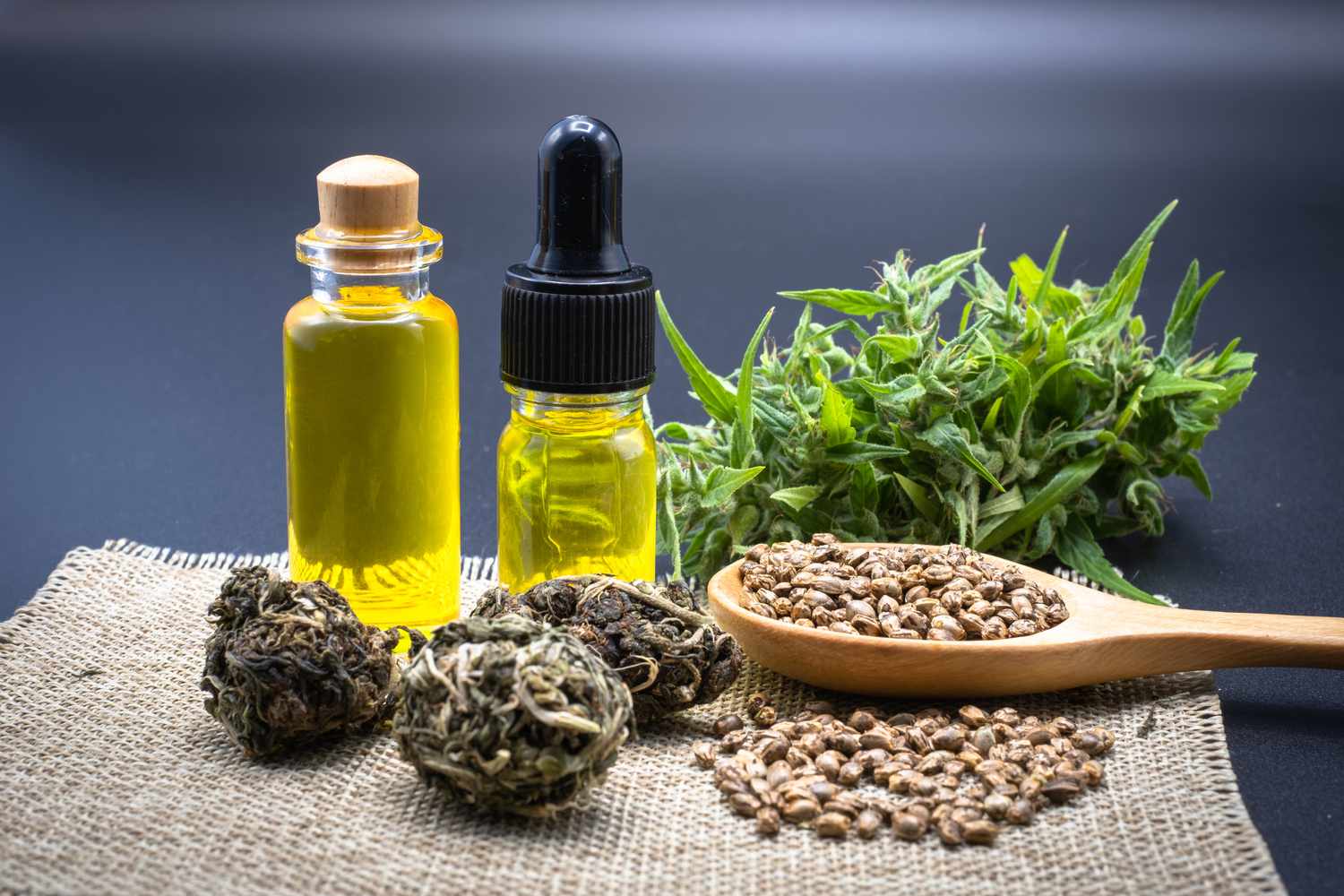
The term medical marijuana, or medical cannabis, refers to the use of dried flowers and leaves from the hemp plant Cannabis sativa for certified medical purposes. As of 2023, thirty-eight US states have legalized medical marijuana, which can be obtained with a prescription from a state-licensed dispensary.
Verywell / Michela Buttignol
Benefits of Marijuana for Diabetes
The research on marijuana and diabetes is limited, but some research studies suggest there are benefits. The effects of cannabis on diabetes are still not fully understood, so you should discuss marijuana use with your healthcare provider.
Managing Blood Sugar
Marijuana may be able to help with managing your blood sugar levels, and it could help to improve insulin resistance with type 2 diabetes.
There is some preliminary research that the tetrahydrocannabivarin (THCV), a non-psychoactive cannabinoid in marijuana, has the potential to help with glucose regulation and improve insulin sensitivity.
One study found that people with type 2 diabetes who took THCV (a compound found in cannabis) saw improvements in their fasting glucose and insulin sensitivity.
Even though some of the research is promising about the benefits of cannabis on blood sugar control, researchers say that there is not yet enough evidence to support the use of marijuana for diabetes treatments until additional rigorous clinical studies are done.
Managing Weight
Marijuana could also help with managing your weight.
A risk factor for developing diabetes is waist circumference, which is used to measure how much extra fat is carried around the abdomen.
One research study found recreational marijuana use was associated with smaller waist circumference. This could help to lower the risk of insulin resistance and the chance of developing diabetes.
Marijuana and Weight Gain
Marijuana use may also lead to weight gain in some people because it can increase food cravings. Often these cravings are for foods that are high in carbohydrates and calories.
Managing Peripheral Neuropathy
Peripheral neuropathy is a common complication of uncontrolled diabetes when high blood sugar levels can lead to nerve damage in the arms and legs.
Cannabis could help with managing nerve pain from diabetic peripheral neuropathy.
One study found that marijuana use was associated with short-term relief from pain in patients who were resistant to other treatment options. Cannabis treatment could also help to protect the nerves from damage through its anti-inflammatory properties and help to prevent peripheral neuropathy.
Preventing Diabetic Retinopathy
Diabetic retinopathy—damage to the eyes that can lead to loss of vision—could be helped by cannabis use. An animal study found that cannabis use could be protective against the development of diabetic retinopathy.
This reduced risk was likely due to reduced inflammation and oxidative stress. Further research is needed to assess these effects in humans.
Other Forms of Cannabis
Cannabis is available in a variety of forms, from an unprocessed version—often called weed—to the oils that can be used to infuse food or beverages.
CBD oil is extracted from the cannabis plant. It doesn’t have the strong psychoactive effects that marijuana has and is commonly used for medicinal purposes.
CBD oils and sprays also show potential for being able to help with some of the complications of diabetes. One study found that in some patients who are resistant to other treatments for diabetic nerve pain, using a topical CBD spray to treat pain showed improvements in response to CBD spray treatment compared to the placebo group.
Side Effects of Cannabis
Cannabis can affect your health—both mentally and physically—in a variety of ways.
Possible adverse effects of marijuana use:
- Poor short-term memory and altered judgment while under the influence
- Impaired coordination (poor driving skills and increased risk for injury) when under the influence
- Paranoia and psychosis
- Risk for addiction
Possible health benefits include:
- Reduced pain
- Decreased anxiety
- Improved sleep
Interactions and Warnings
Cannabis could interfere with the effectiveness of your diabetes medications, so you should be careful with monitoring your blood sugar levels if you are under the influence of marijuana.
If you’re in an altered mental state because of marijuana, it could make it more difficult for you to manage your diabetes. You could:
- Forget to check your blood sugar levels
- Improperly dose your medications
- Forget to take medications
In such cases, have someone with you who is not under the influence of marijuana and has a thorough understanding of how to manage diabetes, so they can help you with checking blood sugar levels and medications.
Marijuana Is Not Legal Everywhere
Not all forms of cannabis are legal in every state. Research your state laws to ensure that you are using legal forms of cannabis for your state.
Diabetic Ketoacidosis
Diabetic ketoacidosis is a life-threatening condition where the body isn’t able to get enough glucose for energy and resorts to using other fuel. This leads to the buildup of blood acids or ketones.
Diabetic ketoacidosis is more common in people with type 1 diabetes if they aren’t properly taking their medications, but it can also affect people with type 2 diabetes.
The symptoms of diabetic ketoacidosis are:
- Excessive thirst and frequent urination
- Nausea and vomiting
- Weakness or fatigue
- Confusion
- Coma
One study found that recreational cannabis use doubled the risk for diabetic ketoacidosis for people with type 1 diabetes. This was attributed to worse management of diabetes, including increased intake of high-carb foods and forgetting to take medications.
The American Diabetes Association recommends that persons with type 1 diabetes and those with other forms of diabetes at risk for diabetic ketoacidosis not to use recreational cannabis in any form.
Heart and Kidney Disease
Other common complications of diabetes are increased risk for heart disease and kidney damage. A study found that recreational cannabis use may increase those risks. The researchers reported increased risks for:
- Peripheral artery disease
- Heart attack
- Kidney disease
However, the researchers noted that the results were based on limited studies and more evidence is needed to confirm the effects.
High Blood Sugar
The hypothalamus is a region in the brain that plays a central role in regulating hunger, metabolism, and the maintenance of your body’s energy levels.
The hypothalamus also contains cannabinoid receptors that are activated by natural compounds in the cannabis plant called phytocannabinoids. Upon activation, your hypothalamus induces hunger and a strong desire to eat.
In other words, whether you smoke, vaporize, or eat medical cannabis, expect to get hungry. This effect is often called “the munchies.” For many people, the munchies cause excessive eating.
Although cannabis by itself will not raise blood sugar, eating too many foods that are high in carbohydrates and sugar, will.
If you have diabetes or pre-diabetes, giving in to cravings for foods that raise blood sugar can be dangerous, so it’s important to exercise self-control.
Fortunately, there are a few steps you can take to help avoid excessive eating and unhealthy foods when the munchies strike:
- Use medical marijuana before meals: If you are prone to cravings after using medical marijuana, try taking your medication one or two hours before a meal. That way, when hunger strikes, you will be ready for mealtime rather than excessive snacking between meals.
- Prepare healthy snacks: Too much of anything is never good. However, satisfying your hunger with fruits and vegetables is far healthier than sugary treats and salty pre-packaged snacks. Before using your medication, get a step ahead of the munchies by preparing some low-sugar, low-carb snacks.
- Drink lots of water: Did you know that drinking water throughout the day can help stave off cravings? As it turns out, the brain can sometimes mistake thirst for hunger, causing you to eat when what you really need is water. It may not be the complete answer to your cravings, but it never hurts to hydrate.