

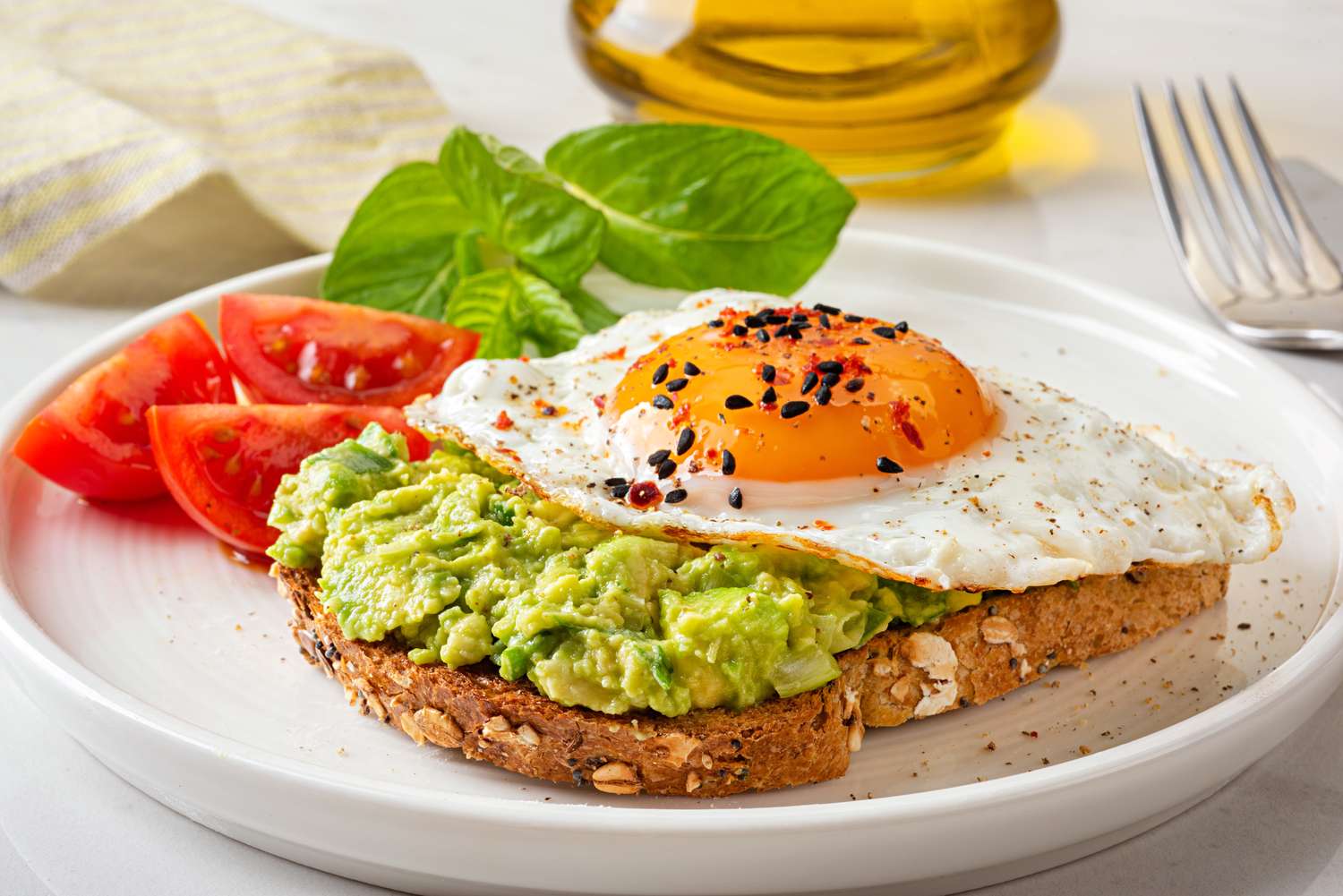
Key Takeaways
- Avocado toast with eggs does not spike blood sugar. Instead, it provides steady energy and leaves you feeling full.
- Protein, fat, and fiber from the eggs and avocado help balance out carbohydrates in the toast.
- Be sure to choose whole-grain bread over white bread to minimize the impact on your blood sugar.
Foods that contain healthy fats, protein, and fiber (such as eggs, avocados, and whole-grain toast) slow down the absorption of simple carbs and help you feel full for longer, leading to smaller, steadier increases in blood sugar over an extended period.
Avocado Toast With Eggs Steadies Blood Sugar Levels
Avocado toast with eggs is an excellent meal option for maintaining balanced blood sugar levels and sustaining energy throughout the day.
- Avocados contain fat and fiber, which slow down digestion and prevent blood sugar spikes, providing steady, long-term energy.
- Eggs contain protein and fat that slow the absorption of carbohydrates, and have almost no impact on your blood sugar because they don’t contain carbs.
- Toast can raise blood sugar steadily if you opt for a fiber-rich, whole-grain bread. Refined white breads, on the other hand, raise blood sugar more quickly (but even this would be moderated by the protein, fats, and fiber from eggs and avocado).
As with any meal, your blood sugar will rise after eating avocado toast with eggs, but it will do so at a slow and steady pace. The combination of protein, healthy fat, and fiber will help you feel full for longer and decrease the likelihood of experiencing a blood sugar crash that has you reaching for sugary snacks throughout the day.
Glycemic Index
The glycemic index (GI) is a scale ranging from 0 to 100 that measures the rate at which a food raises blood sugar levels. Low GI foods slowly increase your blood sugar, while high GI foods cause quick spikes.
- Low: 55 or less
- Medium: 56–69
- High: 70 or more
Healthy Fats in Avocado Slow Blood Sugar Spikes
The glycemic index (GI) of a typical avocado is 10, which is considered low. Avocados contain fiber and healthy fats, making them unlikely to cause a blood sugar spike. Instead, they support a slow and steady increase in blood glucose (sugar).
Eating fats slows digestion, making it take longer for your body to absorb sugars from carbohydrates into the bloodstream. This results in a slower rise in blood sugar over a more extended period, rather than a sudden spike.
Avocados do contain carbohydrates, which are known to raise blood sugar levels. However, not all carbs are created equally. Most of the carbs in acocados are complex carbs that the body breaks down more slowly than simple carbs.
Eggs Contain Protein and Fat That Won’t Spike Blood Sugar
Eggs have a GI of 0, because they contain less than 1 g of carbohydrates per egg, meaning they’re unlikely to increase your blood sugar. They are also a great source of protein, with one egg containing 6.24 grams.
More importantly, though, is that the protein in eggs is highly digestible. The human body can process 100% of the protein in eggs, making eggs more digestible than any other protein source.
Protein has a minimal effect on blood sugar levels compared to carbohydrates. It also slows down the absorption of sugars into your bloodstream. This means that high-protein foods that contain low levels of carbohydrates (like eggs) are unlikely to raise your blood sugar by much.
Eggs are also a good source of unsaturated “healthy” fats. Like protein, fats have little effect on your blood sugar because your body doesn’t break them down into sugar. Fats can also slow down your digestion, leading to a more sustained rise in blood sugar from any carbs eaten alongside them.
The protein and fats in eggs also keep you full for longer, meaning you’re less likely to snack on foods that would spike your blood sugar.
Fiber in Bread Can Also Regulate Blood Sugar, But it Depends on the Type
When it comes to a meal of avocado and eggs on toast, the type of bread you choose influences the impact on your blood sugar.
Of the three main ingredients, bread has, by far, the highest carbohydrate content. That means it will have the most significant impact on your blood sugar. However, certain types of carbs can raise your blood sugar more significantly than others.
Refined white breads will cause more significant spikes than fiber-rich breads (like whole grain and seeded breads), which typically contribute to a slower and steadier rise in blood sugar levels.
Consider the GI of the following types of bread:
- White baguette: 95
- White flour bread: 90
- Gluten-free white bread: 90
- Whole-grain baguette: 73
- Bagel: 70
- Wholemeal bread: 65
- Rye bread: 65
- Buckwheat bread: 50
- Pumpernickel bread: 45
- Sprouted grain bread: 35
Breads with more whole grains tend to have a lower glycemic index than processed, refined breads. If you’re concerned about your blood sugar, opt for whole-grain breads over white bread.
:max_bytes(150000):strip_icc()/headshotverwell-1334973c32f9429493c7979e6384b8ff.jpg)