

Key Takeaways
- The watermelon diet is not safe and should be avoided.
- Eating only watermelon can lead to malnutrition and other health problems.
- Restrictive diets like this can harm your relationship with food.
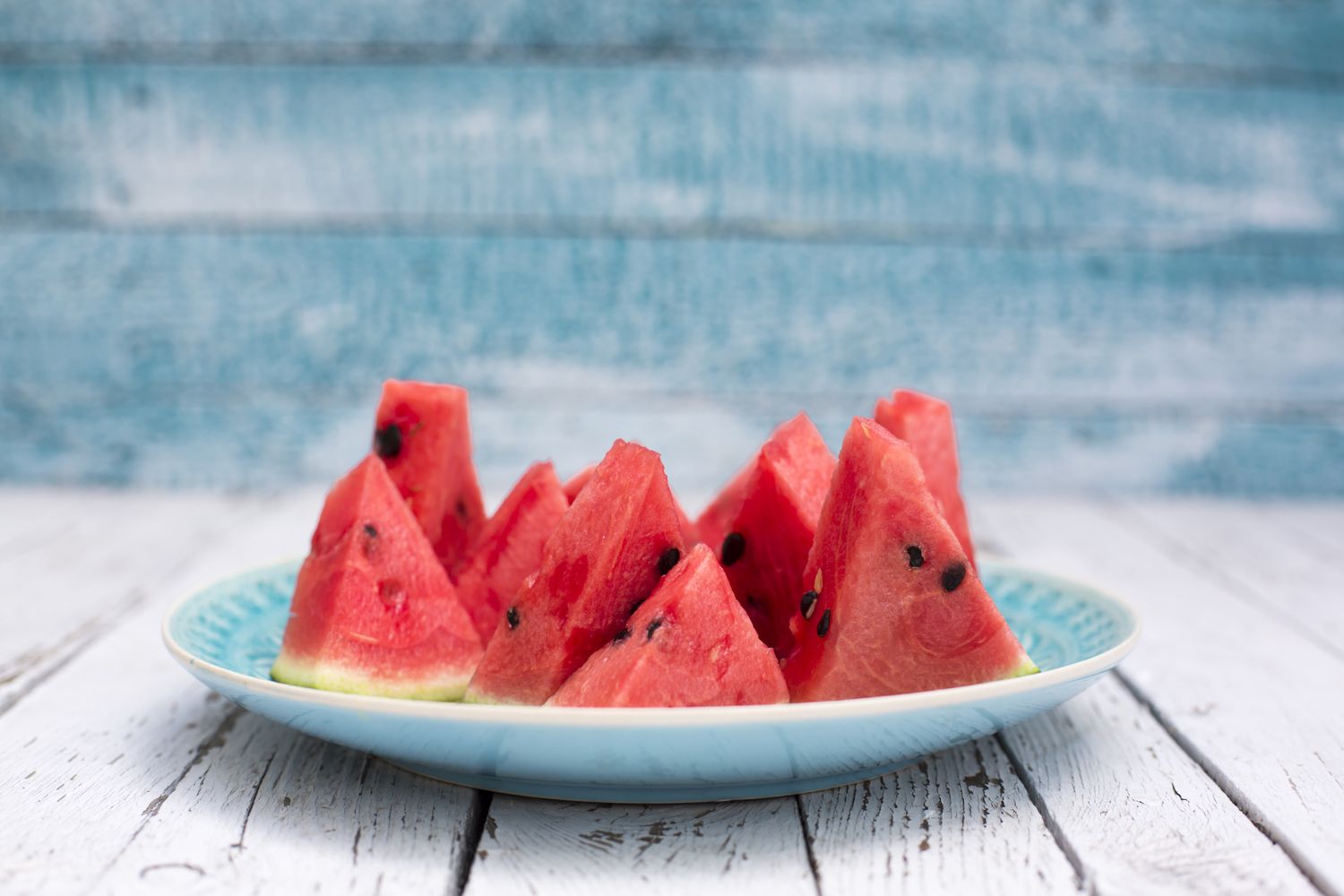
Many on TikTok are buzzing about the “watermelon diet”—a two- to seven-day challenge of eating only watermelon to supposedly shed pounds. However, experts warn that while you might see quick, short-term changes, risks like malnutrition and digestive issues far outweigh any temporary benefits.
Westend61 / Getty Images
What Happens if You Only Eat Watermelon?
“You may initially feel better due to eliminating certain foods—such as processed and ultra-processed foods and drinks—that could lead to fluid retention, weight gain, inflammation, bloating, headaches, gas, indigestion, fatigue, or other symptoms,” Julia Zumpano, RD, a dietitian specializing in preventive cardiology at the Cleveland Clinic, told Verywell.
Depending on how long you follow the restriction, you may see an initial weight loss, but this has not been researched or proven. You will likely regain any weight lost after you stop, Zumpano said.
Is the Watermelon Diet Safe?
Eating plans like the watermelon diet are generally considered unsafe, Tommy Lor, RD, a registered dietitian at Keck Medicine of USC, told Verywell.
“You’re cutting out a bunch of foods, and these challenges usually promise quick results,” Lor said. “But they’re not very sustainable, and they can make it hard to maintain progress over time.”
In some cases, the watermelon diet can be dangerous, especially for those with certain health conditions, said Shonali Soans, MS, RD, CDN, a dietitian in the integrative health and wellbeing program at Weill Cornell Medicine.
This includes those who:
Those in the last category may be especially at risk, since “nutrients play a key role in producing neurotransmitters involved in mood, pleasure, calm, focus, cognition, and wellbeing,” Soans said.
What Makes the Watermelon Diet Dangerous?
The longer you follow the watermelon diet, the riskier the side effects become, said Zumpano.
Potential risks include:
- Malnutrition
- Kidney problems
- Digestive issues
- Diarrhea, which can cause dehydration
- Electrolyte imbalances
- Higher cortisol levels, which could increase inflammation and disrupt blood sugar balance
The body depends on all of the components of a well-rounded diet, so you could start feeling the aftershocks of the watermelon diet pretty quickly.
“Every cell in our body requires these nutrients to function efficiently, including the cells of our liver and kidneys, which are our bodies’ detox organs,” Soans said. “If we want to detox well, we need to nourish our cells with adequate nutrition from all food groups.”
Trending challenges like the watermelon diet can also make it hard to nourish your body in the future.
“Very restrictive diets can negatively impact our relationship with food as well as our hunger and satiety cues, which are very important if we are trying to achieve lasting health and wellness goals,” Soans said.
:max_bytes(150000):strip_icc()/maggieoneill-16204cf3e01b424bbbd66733f6fb4668.jpeg)