

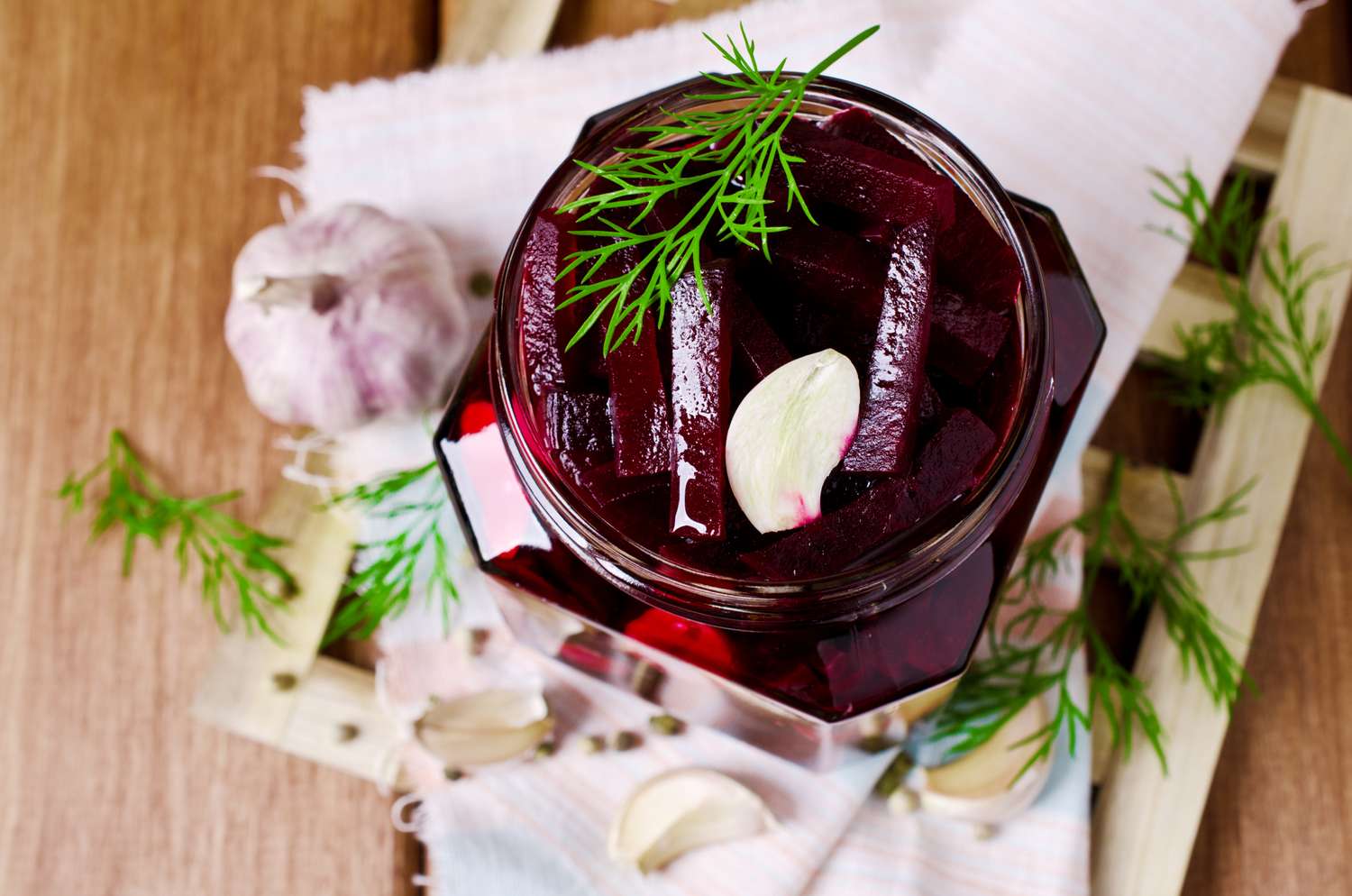
Eating beets regularly can support overall health because they contain high levels of nutrients, including powerful antioxidants, vitamin C, potassium, iron, and more. When pickled, they retain many of their nutrients, making pickled beets similarly nutritious to eating them in other ways.
1. Your Blood Pressure and Cholesterol May Improve
Pickled beets contain nitrates, which are naturally occurring nitrogen and oxygen compounds. The body converts these compounds into nitric oxide, a molecule that helps open blood vessels, which may help lower high blood pressure.
While the effects are only temporary, eating beets regularly may provide ongoing support against high blood pressure.
Pickled beets may also improve cholesterol by reducing low-density lipoprotein (LDL, or “bad”) cholesterol.
2. You May Experience Better Gut Health
Fermenting pickled beets increases the amount of probiotics found in the vegetable. These probiotics can act as healthy bacteria that promote better digestion and protect gastrointestinal health by:
- Balancing the levels of good and bad gut bacteria in the gut
- Inhibiting the growth of germs
- Producing short-chain fatty acids
- Balancing pH in the colon
- Improving the body’s ability to absorb nutrients
Many store-bought pickled beets are not fermented and, therefore, lack probiotics. Look for terms such as “fermented,” “live cultures, “probiotics,” or “unpasteurized” on the label to reap the most gut health benefits.
Pickled beets also contain both soluble and insoluble fiber. Soluble fiber aids digestion by acting as a prebiotic to feed beneficial gut bacteria, and insoluble fiber helps food move through the digestive system more easily, promoting regular, healthy bowel movements.
Types of Fiber in Pickled Beets
The two main types of fiber found in pickled beets include pectins and oligosaccharides.
3. Your Athletic Performance May Improve
People who eat pickled beets may also experience improved athletic performance. Nitrates found in beets help boost muscle strength and endurance by reducing the oxygen your body needs during physical activity. This can lead to:
- Better efficiency of oxygen use during exercise
- Enhanced endurance, allowing you to work harder during workouts
- Lower exertion levels, making challenging workouts feel easier
4. You Can Help Ward Off Oxidative Stress
Overall health and chronic disease prevention are additional benefits of regularly eating pickled beets.
Research shows that the antioxidant and nutrient content of beets can help protect against oxidative stress, which occurs when there are too many unstable molecules known as free radicals in the body. These free radicals cause cell, protein, and DNA damage and can increase the risk of chronic disease.
Studies suggest that beetroot and its products, such as pickled beets, may reduce the risk of some tumor types. This may be due to nutrients, including betanin, a red-violet pigment found in beets.
Chronic Disease and Oxidative Stress
Oxidative stress has been linked to the development of several other health risks, including:
- Accelerated aging
- Heart disease
- Neurological diseases
- Chronic lung disease
- Chronic inflammatory diseases, such as rheumatoid arthritis
- Kidney disease
5. You May Experience Neuroprotective Benefits
Pickled beets show promise in improving cognitive health due to their nitrates, which can dilate blood vessels, allowing more blood flow to the brain. They also contain antioxidants that may help prevent oxidative stress that can harm brain health and reduce chronic inflammation that contributes to brain health deterioration.
6. Your Metabolic Health Can Improve
Beets may also be helpful in reducing the risk of developing metabolic diseases, such as:
- Diabetes
- Liver disease
- Kidney disease
Beets have been shown to lower blood sugar, supporting better blood sugar management. This is likely due to several compounds found in beets, such as polyphenols, flavonoids, and nitrates.
Harmless Side Effect
Eating pickled beets may discolor your urine or stool, giving it a pink or red colour. This can be frightening to see, but it’s harmless.
Potential Drawbacks
While pickled beets contain beneficial nutrients, including natural sugars, minerals, vitamins, polyphenols, and nitrates, there may be downsides to consuming them too often, depending on the type.
For example, many varieties of pickled beets can contain added salt or sugar, which can be counterintuitive for preventing the onset of chronic disease. They can also contain oxalates, which are antinutrients that make it more difficult for the body to absorb vitamins and minerals.
Oxalates may also promote the development of kidney stones in some people.
:max_bytes(150000):strip_icc()/VerywellBioPicAngelicaBottaro-203f7e803ab444b2b5c13b4252d11159.JPG)