

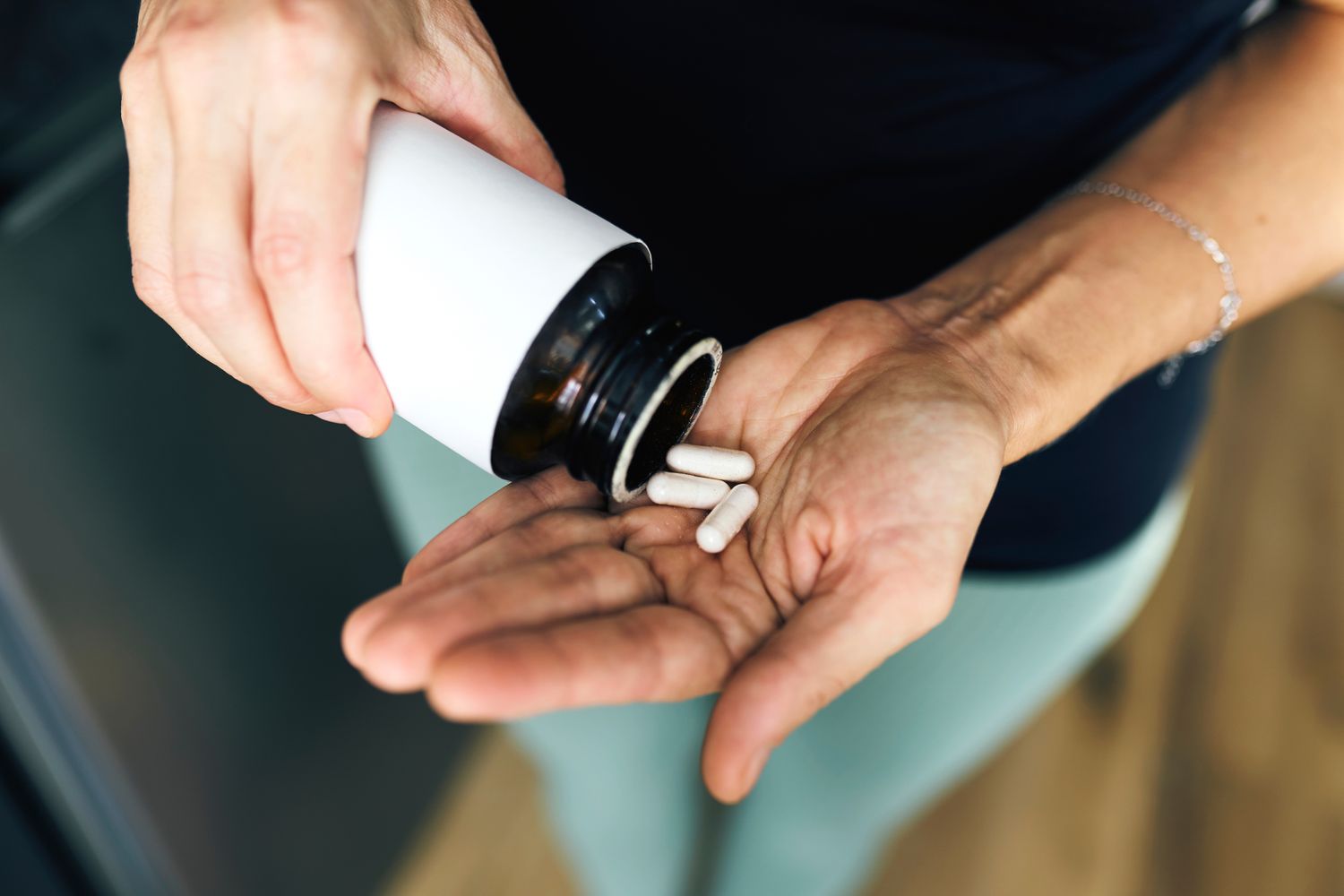
Probiotics are live microorganisms (small life forms), such as bacteria and yeast. When taken in appropriate amounts, probiotics may offer health benefits, especially for digestive conditions and gut health.
1. Reduced Gut Pathogens
Pathogens are microorganisms that can cause disease. Probiotics make it hard for pathogens to survive and bind to the gut by competing for nutrients and binding sites.
Probiotics can also bind to certain bacteria, as well as make the following substances to prevent pathogenic growth:
- Bacteriocins: Proteins that work against certain bacteria
- Hydrogen peroxide: A disinfectant substance
- Organic acids: Substances with acidic properties
- Short-chain fatty acids (SCFA): Fat or lipid building blocks
2. Smoother Digestive Processes
Probiotics may help with digestion in the following ways:
- Amino acid (protein building block) breakdown
- Bild salt breakdown
- Carbohydrate (carb) breakdown
- Gut absorption of electrolytes (salts)
- Lipid (fat) breakdown
3. Improved Intestinal Barrier
Probiotics may improve your gut barrier by stimulating the production of a sticky liquid called mucus and increasing the presence of tight junction proteins.
More mucus and tight junction proteins prevent pathogens from crossing the intestines and entering the bloodstream.
This strong intestinal barrier may also prevent a leaky gut, which is linked to several medical conditions. Examples of digestive conditions may include irritable bowel syndrome (IBS) and inflammatory bowel disease (IBD).
4. Help With Digestive Conditions
An imbalance in the gut flora can result in different digestive conditions:
Probiotics may help relieve symptoms of digestive conditions by:
- Improving the amount and diversity of healthy gut bacteria
- Increasing levels of certain proteins that help with digestion
- Improving the gut barrier
- Enhancing the gut immune environment
5. Regulated Gut Immune System
Probiotics may regulate how your immune system (the body’s defense system) responds.
For example, probiotics influence the activity of several different cells (building blocks) of your immune system:
- Dendritic cells
- Macrophages
- T and B cells
Probiotics interact with gut cells. This results in higher levels of specific proteins, known as anti-inflammatory cytokines. The presence of these cytokines brings in more macrophages and mononuclear immune cells to the gut.
6. Enhanced Gut-Brain Connection
Your gut and brain are connected through a network called the gut-brain axis. Through this network, probiotics can make neurotransmitters (brain chemicals) in the gut.
Probiotics can regulate the levels of the following brain chemicals:
By influencing these levels, probiotics may have effects on:
- Gut movement
- Behavior
- Mood
- Stress
Are Prebiotics the Same as Probiotics?
Prebiotics are different from probiotics. Probiotics are small life forms that are typically similar to the microorganisms that naturally live in your body. Prebiotics are food components that support these natural microorganisms.
Are Probiotics Safe?
In healthy individuals, probiotics are generally considered safe, with minor side effects, including gas. Other common self-limiting side effects may include:
- Diarrhea
- Constipation
- Headaches
- Increased thirst
- Indigestion
- Migraines
- Nausea
More serious side effects and safety considerations include:
- Allergic symptoms: While rare, some people may experience itchiness or a skin rash, which are likely allergic symptoms that typically go away upon stopping the probiotic.
- Severe infections: People who already have severe illnesses or weakened immune systems are at higher risk.
- Life-threatening infections in preterm infants: The Food and Drug Administration (FDA) has warned about the potential for life-threatening infections from probiotics being given to preterm infants.
While probiotics are generally popular, there are only a few in-depth studies on their safety, and we still have limited information about their long-term use. There have also been reports of unlisted microorganisms in certain products, which could pose risks. For these reasons, it’s best to use probiotics with care.
:max_bytes(150000):strip_icc()/1-5303791d52004252a18eaf1d8ac02359.jpg)