

:max_bytes(150000):strip_icc():format(jpeg)/VWH-GettyImages-464571715-231bf8256c794835bf70c26515d60565.jpg)
With many foods out of season, the temptation for comfort foods, and the tendency to be less active, it can be difficult to eat nutritiously in the winter. Thankfully, there are plenty of ways to enjoy hearty, comforting foods, while meeting your nutrition needs.
1. Oatmeal and Other Whole Grains
Arx0nt / Getty Images
Whole grains are a great source of protein and fiber. They can help you enjoy your winter comfort foods (like bread and pasta) with less of a blood sugar spike than refined or highly processed grains.
Whole grains include foods like:
- Oatmeal
- Barley
- Buckwheat
- Brown rice
- Quinoa
The fiber in whole grains helps you feel fuller for longer, which can help with winter weight management. Oats and barley are particularly high in beta-glucan, a type of fiber with health benefits that promote heart health and support immune function.
Instead of sweeteners, try adding high-fiber whole fruits (such as berries), nuts and seeds, or spices like cinnamon or nutmeg.
2. Soup
DNY59 / Getty Images
Soup, especially chicken noodle soup, is often regarded as a comfort food for sick days. Even when you’re not sick, soup can be a nutritious meal when you add the right ingredients.
Some nutritious ingredients to incorporate into your soups may include:
- Lean proteins, such as poultry, which is a source of vitamin B6 (for aiding red blood cell production and reducing inflammation) and zinc (for white blood cell production)
- Beans, peas, and lentils, which are packed with protein and fiber to fill you up
- Whole grains, such as barley, quinoa, or brown rice
- Plenty of vegetables
- Low-sodium chicken broth, vegetable broth, or water as a base instead of cream
If you are eating commercially made or canned soup, or using canned goods in your soup, check the label for sodium levels, as many of these products contain a high amount of added salt. Note that products labeled “reduced sodium” are not necessarily low in sodium.
3. Root Vegetables
vaaseenaa / Getty Images
Root vegetables are the epitome of hearty winter foods. They are typically good sources of fiber and other health-supporting nutrients, such as potassium, vitamin C, and vitamin A, in varying quantities depending on the type of vegetable.
Look for root vegetables such as:
- Beets
- Sweet potato
- Carrots
- Radishes
- Potatoes
- Parsnips
- Turnips
Most root vegetables are starchy. Starch breaks down into glucose, which can cause blood sugar levels to rise. Starchy vegetables, such as beets, that are also high in fiber can help slow blood sugar spikes. Be aware of starches adding up (for example, try to avoid serving potatoes and rice as part of the same meal).
4. Fatty Fish and Other Vitamin-D Rich Foods
Antonio Hugo Photo / Getty Images
Vitamin D is essential for building bone and supporting other body functions. Since much of the body’s vitamin D production occurs in the skin in response to sunlight, it can be hard to get enough vitamin D in the winter.
There are not a lot of foods that are naturally high in vitamin D. The best sources tend to come from the flesh of fatty fish and fish liver oils, such as:
- Salmon
- Swordfish
- Tuna
- Cod liver oil
- Sardines
- Herring
- Mackerel
- Trout
- Whitefish
Other sources include:
- Egg yolks
- Beef liver
- Mushrooms (some have been exposed to ultraviolet light to boost their vitamin D content)
Foods that may be fortified with added vitamin D (check labels) include:
- Milk, including some plant-based milks
- Orange juice
- Yogurt
- Cereal
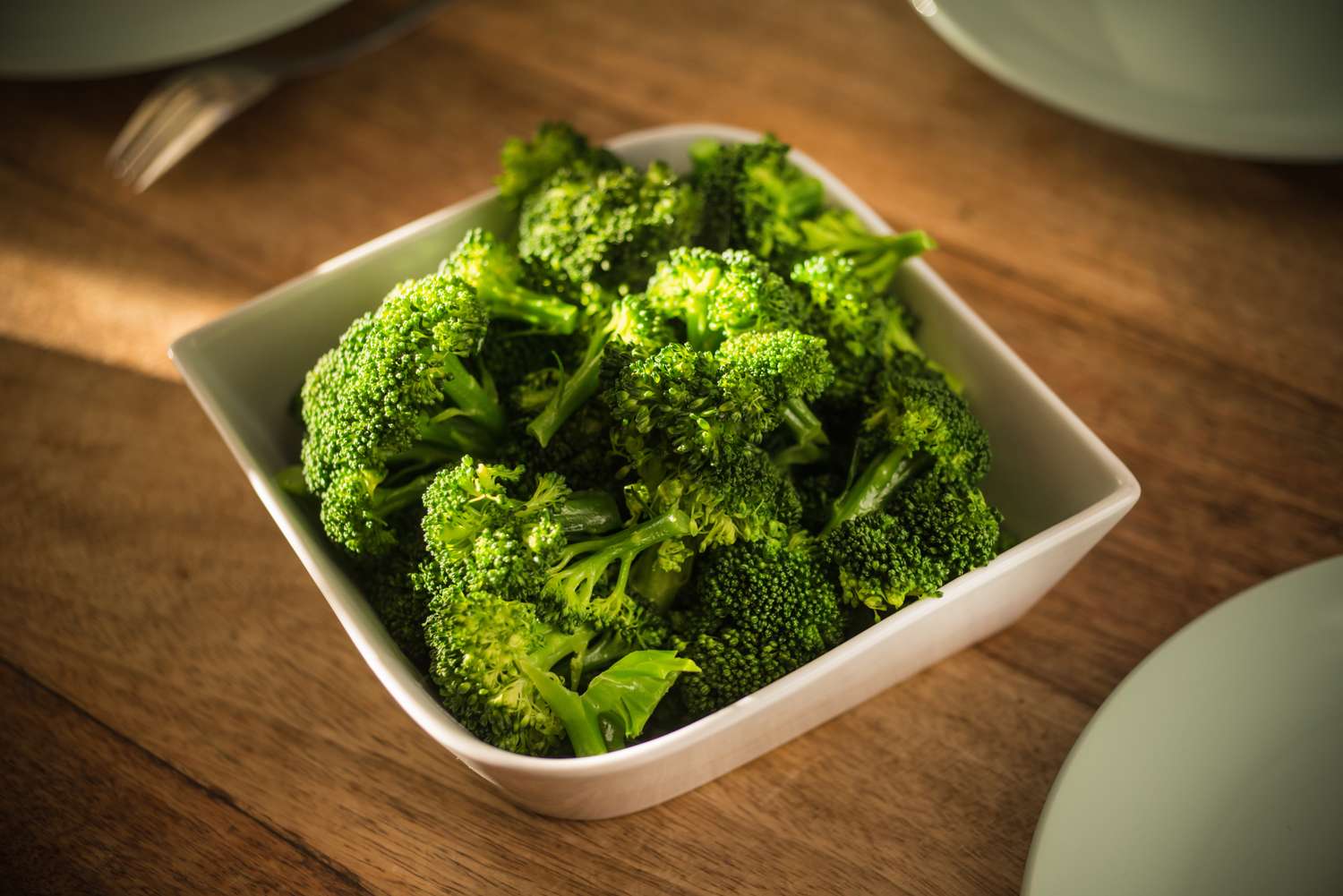
5. Broccoli
FOTOGRAFIA INC. / Getty Images
Broccoli is packed with nutrients, including vitamin C, which is important for immune health.
Broccoli is also high in fiber and a source of nutrients such as:
- Vitamin A
- Vitamin K
- Folate
- Potassium
- Calcium
- Antioxidants
Nutrients in broccoli can help support:
- Eye health
- Bone health
- Heart health
- Immune health
- Digestive health
- Skin health
6. Berries
Mint Images – Oliver Edwards / Getty Images
Berries with edible seeds, such as raspberries and strawberries, are a good source of fiber, antioxidants, and essential nutrients, including vitamin C, manganese, and vitamin K1.
Berries are a great way to add sweetness to plain oatmeal or yogurt. They are also delicious additions to fruit salads.
7. Citrus
Andrey Nikitin / Getty Images
Most citrus fruits are high in immune-supporting vitamin C. Look for options such as oranges, grapefruit, lemons, limes, and tangerines.
Other fruit sources of vitamin C include mangoes, kiwi, and strawberries.
8. Nuts and Seeds
Eugenia Lucasenco / Getty Images
Nuts and seeds contain unsaturated fats, fiber, and protein, making them both nutritious and filling. The types and amounts of nutrients in nuts and seeds vary between them, so try to eat a variety of them to ensure a wider nutrition profile.
Look for unsalted nuts and seeds such as:
Nuts and seeds are high in calories, so be mindful or portion sizes.
9. Leafy Greens
Viktoriia Oleinichenko / Getty Images
Dark green leafy vegetables are loaded with vitamins and minerals such as:
- Vitamin C
- Vitamin A
- Vitamin K
- Folate
- Potassium
- Iron
- Calcium
These vegetables are great options for those watching their blood sugar because they are non-starchy and don’t lead to blood sugar spikes. They are also low in calories and high in antioxidants.
Look for leafy greens such as kale, spinach, and collard greens.
10. Legumes
Evgeniia Rusinova / Getty Images
Legumes are an important component of heart-healthy eating plans, like the DASH diet. They are a source of nutrients such as:
- Protein,
- Fiber
- Iron
- Unsaturated fats
- Folate
- B-vitamins
- Antioxidants
- Zinc
- Phosphorus
Legumes are filling and provide slow, steady energy, making them a great way to bulk up dishes such as soups, stews, pastas, and salads.
11. Frozen Produce
Qwart / Getty Images
Fruits and vegetables begin to lose nutrients as soon as they are picked. Frozen fruits and vegetables are frozen shortly after harvesting, which helps them retain their nutrients during transportation, storage in the store, and at home until you are ready to use them.
Frozen produce also helps to:
- Save time
- Reduce waste
- Save money
- Add variety
- Make including fruits and vegetables more convenient
Tips for Eating Healthy In the Winter
Some ways to help make healthy eating in the winter easier include:
- Plan ahead: Meal planning helps ensure the foods you need will be available when you want to use them
- Shop online: Buying your groceries for delivery or curbside pick-up means fewer treks out in the cold, and less mingling with crowds during respiratory illness season
- Stock up: Pack your cupboard with nutritious non-perishable ingredients, such as canned or dried legumes, wholegrain pastas and cereals, tuna, and nut butters
- Bulk up: Make some large batches of hearty meals, such as chili, stews, and soups, and freeze in individual servings for quick, satisfying, and nutritious grab-and-heat dinners (glass containers designed to go from freezer to microwave or oven are perfect for this)
- Break out the crockpot: A crockpot is an easy way to prepare warm meals with less effort, and many recipes make use of leftovers so they don’t go to waste