

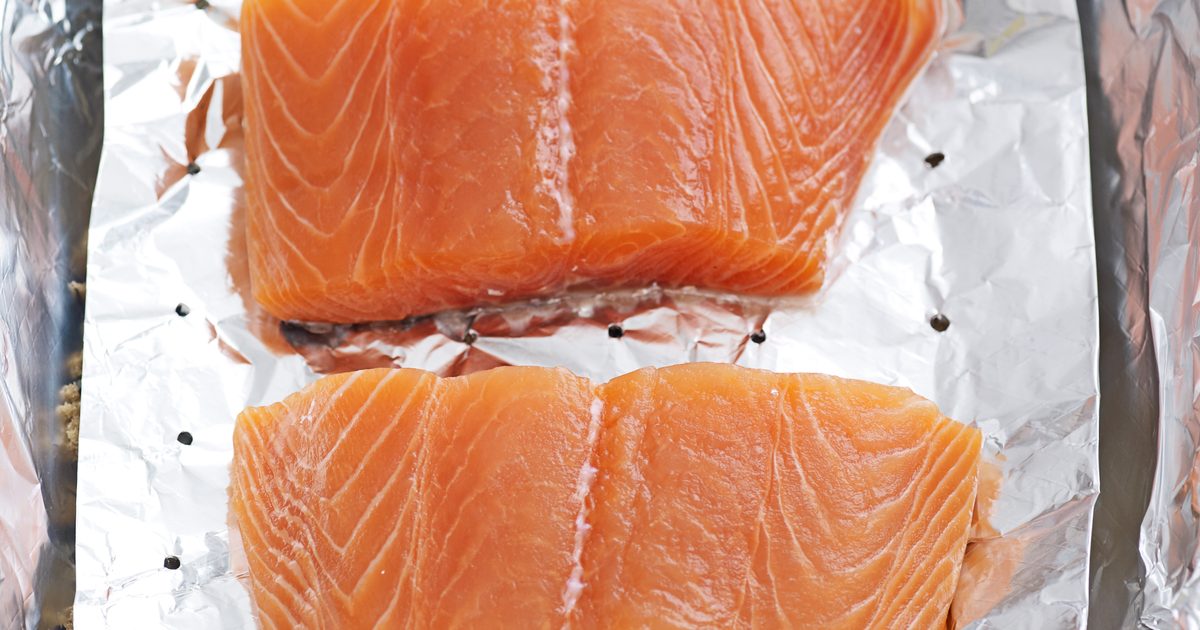
Salmon is the easiest of fish to cook – pieces of fillet tend to be relatively thick and this makes them robust enough to move around and turn over halfway through cooking, should you want to. The skin also comes off easily, so if you cook pieces with the skin on, you can lift it off when the fish is cooked before serving. You can buy whole salmon (especially good value at holiday times), sides of salmon (half a fish), large pieces of fillet and individual pieces. Choose what suits you best.
Follow this guide for tips on how to cook salmon, then put these skills to use with our salmon recipes and salmon recipes for kids. Salmon is rich in omega-3 fatty acids, which are thought to support heart health. You can read more about the health benefits of salmon in our nutritionist’s guide.
What is the best way to cook salmon?
Salmon can be baked, roasted, pan-fried, stir-fried, cooked ‘en papillote’ (wrapped in foil or paper) and steamed. The easiest way to cook salmon is in a baking dish in the oven. This causes the least mess and also – if it bothers you – less of a fishy smell in the house. You will, however, need to add a little oil to stop it sticking to the dish.
If you’d prefer not to use any oil then steam the salmon by putting it on a plate with any flavouring you want to use inside a steamer, or wrap it in foil or baking paper, then steam or bake it. If you want a crisp skin then pan-fry the salmon skin-side down.
- If you need a speedy method, pan-frying salmon is much quicker than baking.
- To make your salmon juicy and full of flavour, cook it ‘en papillote’ (wrapped in foil or paper) in this recipe for ginger & soy salmon en papillote.
- Stir-fry your salmon and combine with vegetables such as pak choi and sugar snap peas for a high-protein dish that’s ready in 25 minutes.
- For a speedy fish supper that’s low-calorie and low-hassle, try this steamed salmon & veg rice bowl.
- Roast your salmon in this brilliant all-in-one dish that’s perfect for a Friday night fish supper.