They recruited 150 adults between 40 and 60, all with at least one cardiovascular risk factor such as high blood pressure, excess weight, or a sedentary lifestyle. Before anything else, they determined each participant’s chronotype, essentially whether they were biologically wired to function better in the morning or evening. This wasn’t guesswork. It combined a standardized questionnaire with 48 hours of core body temperature tracking, a reliable marker of circadian rhythm.
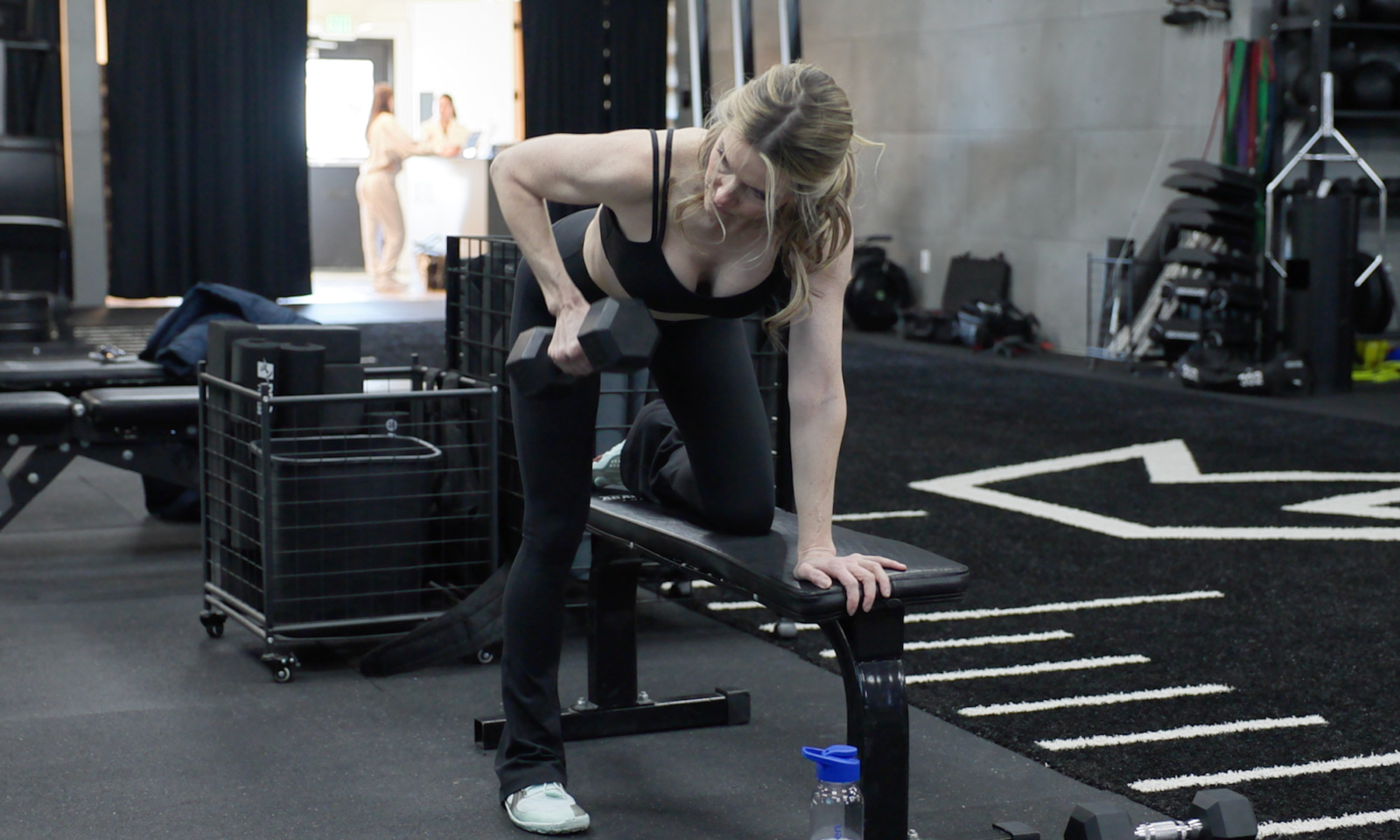
Not Seeing Results? Your Workout Schedule Might Be The Problem