

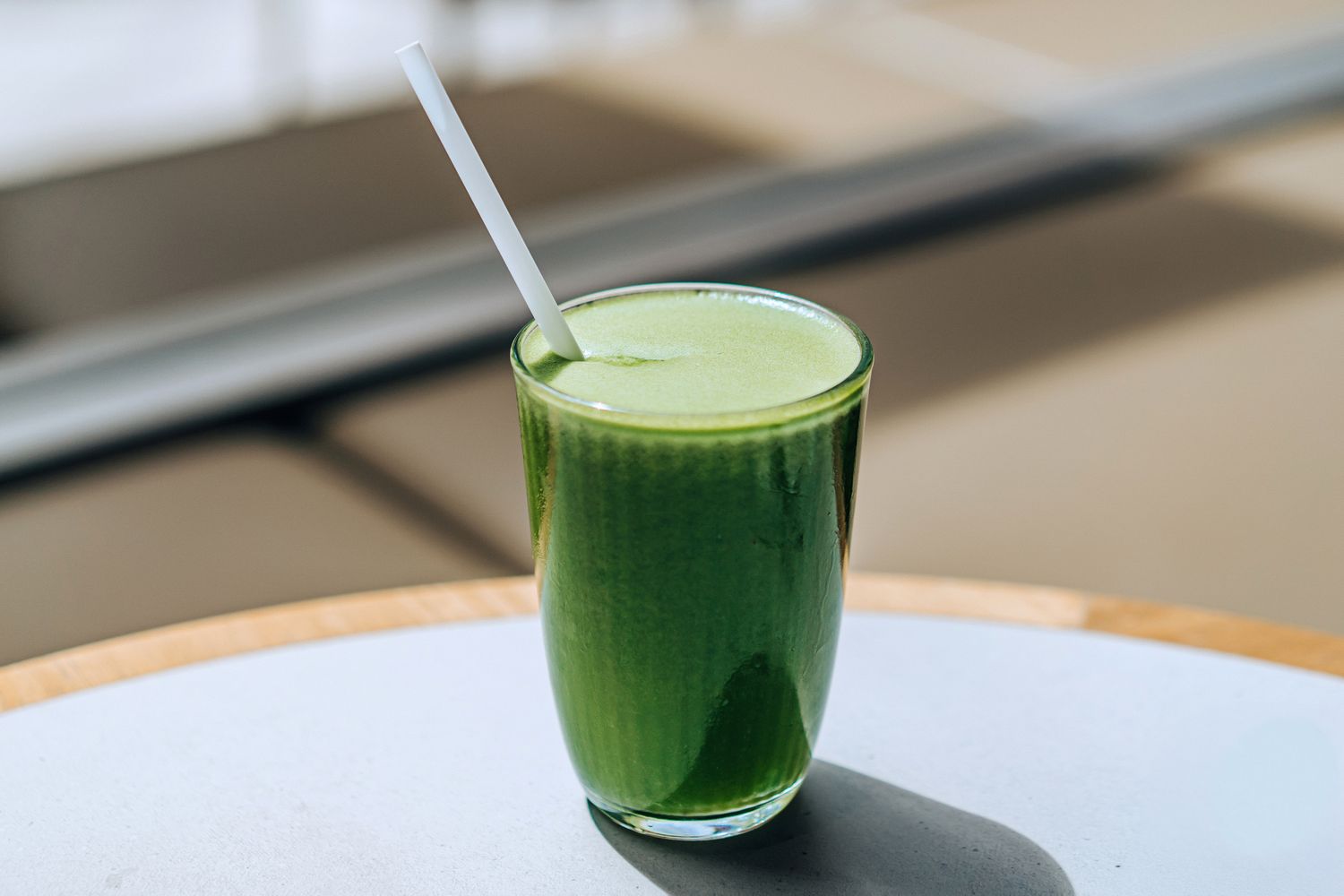
Key Takeaways
- Celery juice offers vitamins, minerals, and phytonutrients to support hydration, digestion, blood pressure, and blood sugar.
- You can make fresh celery juice at home using a juicer or blender—strain the pulp if desired, or leave it for higher fiber.
- Consult your healthcare provider before using celery juice if you use blood pressure, diabetes, or blood thinner medications.
Drinking celery juice daily can offer impressive health perks, such as controlling blood pressure and enhancing digestion, thanks to its high levels of phytochemicals. It is rich in antioxidants like flavonoids, which may help reduce inflammation and support overall health.
1. Your Blood Pressure Lowers
Research found a link between consuming celery in all forms and reducing overall blood pressure. These studies examined different methods and amounts of celery. The multitude of flavonoids, polyphenols, and other nutrient components in celery may contribute to lowering blood pressure, but the exact mechanisms remain unclear.
2. Your Inflammation Levels Decrease
Because celery contains high levels of flavonoids and polyphenols, it may have antioxidant effects that reduce inflammation within the body.
A research review found that celery’s phytonutrients (beneficial plant compounds) have antioxidant activity similar to other foods with similar phytonutrients. Further research is needed to see how various celery preparations, like extract or juices, may impact specific health issues.
3. Your Hydration Gets a Boost
Celery is 95% water and contains potassium, an electrolyte. Electrolytes are essential minerals and salts that allow water to enter cells, thus increasing the body’s hydration status. Celery’s water and potassium content help make it a hydrating option. However, no specific studies have evaluated whether celery juice specifically helps with hydration.
4. Your Digestive Health Improves
The high water content in celery and celery juice supports digestion, aligning with studies highlighting the importance of adequate hydration for digestive health. These studies find that adequate hydration is linked to improved bowel function and reduced constipation.
Additionally, the high fiber content in unstrained celery juice (celery juice with pulp) may benefit digestion.
5. Your Blood Sugar May Improve
Research has explored luteolin’s effects on blood sugar and diabetes management. Luteolin is a flavonoid found in significant amounts in celery.
Studies show luteolin may help regulate blood sugar by improving glucose levels and how the body uses glucose. Consuming foods high in luteolin may benefit blood sugar management.
Nutritional Profile of Celery Juice
- Macronutrients: Celery juice is highest in carbohydrates, followed by protein. It is low in fat and relatively low in calories per serving size.
- Vitamins and minerals: Celery juice also contains several vitamins and minerals, such as potassium, calcium, vitamins A, C, K, and folate.
- Flavonoids: Both celery and celery juice are high in the flavonoids apigenin, luteolin, and polyphenol p-coumaric acid. These nutrients provide numerous health benefits, as seen above.
- Fiber: Unstrained celery juice contains largely the same nutritional values as strained celery juice, with the added benefit of dietary fiber from the pulp.
- Whole celery vs. celery juice: Both raw, whole celery and celery juice contain similar nutrient profiles. The fiber content in celery juice can be increased by consuming unstrained celery juice.
| Nutritional Content of Celery Juice | ||
|---|---|---|
| Nutritient | Celery Juice (1 cup) | Percent Daily Value (DV) |
| Calories | 40 kilocalories (kcal) | 2% |
| Protein | 1.2 grams (g) | 2% |
| Total Fats | 0.4 g | <1% |
| Carbohydrates, Total | 7.8 g | 3% |
| Fiber, Total | 3.8 g | 14% |
| Natural Sugars, Total | 3.2 g | – |
| Calcium | 109 milligrams (mg) | 8% |
| Potassium | 625 mg | 13% |
| Vitamin A | 52 micrograms (mcg) | 6% |
| Folate | 85 mcg | 21% |
| Vitamin C | 7.3 mg | 8% |
| Vitamin K | 69.1 mcg | 58% |
Who Should Avoid Celery Juice?
Celery and celery juice are generally regarded as safe for most individuals. Below are several considerations before incorporating celery juice into your diet:
- Precautions: Avoid celery juice if you are allergic to celery or any of its parts. Wash produce thoroughly before use.
- Side effects: Unstrained celery juice may cause diarrhea in some people due to its high fiber content. No substantial evidence exists, but moderation is advised.
- Interactions: Research suggested that celery juice consumption may not impact blood pressure medication (lower blood pressure) or diabetes medications. However, consuming whole celery may impact blood pressure and blood sugar. Its high vitamin K content may impact blood thinners. Consult your healthcare provider before incorporating celery juice into your diet.
How to Make Celery Juice
Celery juice can easily be incorporated into a healthy diet with a few short steps using commonly found kitchen appliances. The juice is best made with the aid of a juicer or a blender, following these guidelines:
- Thoroughly clean and separate one bunch of celery juice stalks. The typical juice yield for one bunch of celery stalks is 16 ounces or 2 cups.
- Chop the base and the tops off each celery stalk to prevent bitterness.
- If using a juicer, feed each celery stalk through the juicer until the entire bunch of stalks is used.
- If using a blender, chop the celery stalks into thirds, add them to the blender with one-half cup of water, and blend until liquified.
- If using a blender, pour the liquified celery into a fine-mesh strainer placed on top of a jar or bowl. This will allow the juice to filter through the strainer and into the bowl, leaving the pulp behind.
- Enjoy the celery juice as is or with a squeeze of lemon or lime.
For celery juice with pulp, skip the strainer step after blending. Fresh celery juice can be kept refrigerated and covered for three to four days.
:max_bytes(150000):strip_icc()/Myproject-e68a5e63b79a486b9d8c8b3387b635cd.jpg)