

Knowing what to eat when you feel sick can be difficult, especially if you are tired, nauseated, or can’t taste certain foods. The best foods to eat provide you with energy without worsening your symptoms.
1. BRAT Diet
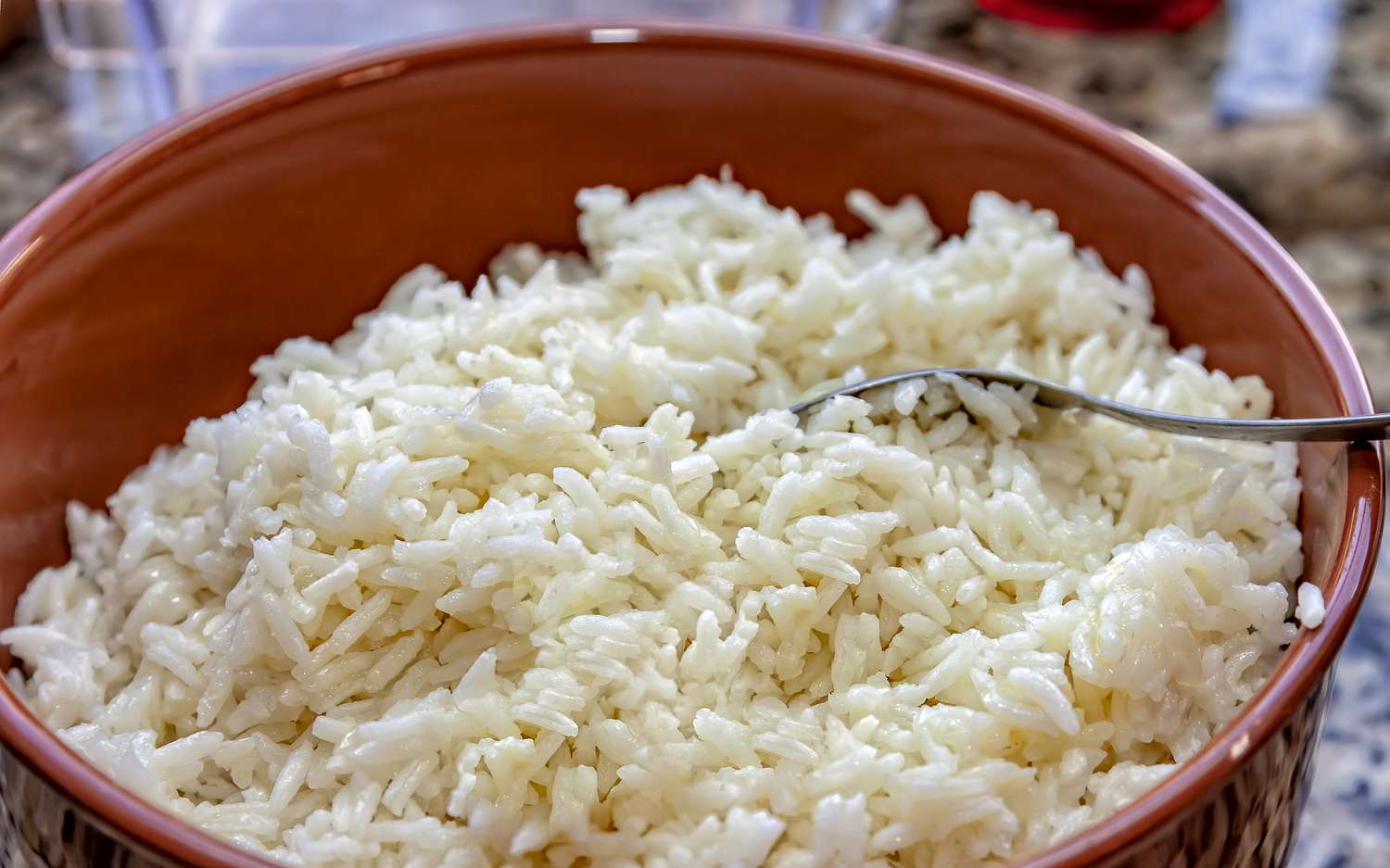
If you’re feeling sick to your stomach, or have diarrhea, your healthcare provider may recommend the BRAT diet. The acronym “BRAT” stands for:
These foods are generally high in carbohydrates but low in fiber, bland in flavor, easy to digest, and help to make stool less watery and more firm. They contain essential nutrients and energy but should be mild on your digestive system.
The BRAT diet doesn’t provide complete nutrition for your body, so it should only be used for a short time. As you start to feel better, start adding other bland, low-fiber, and low-fat foods to your diet.
A healthcare provider may recommend specific foods to eat or to avoid when you have a medical condition, including diabetes, heart failure, kidney disease, autoimmune diseases, or other chronic health conditions. Reach out to a provider for information on what you can eat if you become sick and have another medical condition.
2. Bland Foods
Bland foods are those with low fiber that are soft, low in fat, and not spicy (sometimes nonacidic, too). The goal is to choose foods that are gentle on the digestive system and easy to tolerate.
In addition to the items in the BRAT diet, you can try the following:
- Milk
- Cream of Wheat (farina cereal)
- Eggs
- Pudding
- Gelatin
- Graham crackers
Your dietary choices may depend on the intestinal problem you’re addressing. If you have occasional diarrhea, you may be able to tolerate more foods than if you have ongoing ulcers, heartburn, or other health conditions. Dry, starchy foods like plain toast or saltine crackers can also help to absorb stomach acid and ease an upset stomach.
Additional Foods
If it’s OK with your healthcare provider, you may want to eat more fruits and vegetables at this time, such as:
- Potatoes (boiled or baked)
- Squash (cooked until soft)
- Apples (baked or cooked into applesauce)
Cooking helps soften fruits and vegetables and makes them easier to digest. Fats such as butter, oils, and those found in nuts can be hard to digest and may move quickly through your intestine, leading to diarrhea.
3. Beverages
Drinking fluids is essential when you’re sick, since diarrhea, vomiting, or fever can increase your risk of dehydration. Tips include:
- You may also feel less inclined to eat and drink your normal amount. Start with small sips of water, and as you feel better, try slowly increasing the amount.
- Drink liquids other than caffeinated beverages (coffee, strong tea, colas, energy drinks) or alcohol.
- Warm or cold beverages are both helpful.
- Drinks with electrolytes like Gatorade and Pedialyte can help prevent dehydration when you’re experiencing vomiting or diarrhea.
- Try to track how much you drink and urinate throughout the day.
- Seek medical attention if you cannot drink or if you stop urinating.
4. Soup
Foods with a liquid base can help you get some extra fluid and prevent dehydration. Plain broth or broth-based soups will have more liquid than creamy soups or thick stews. You can also add extra broth to your soup to increase the amount of fluid.
Chicken soup is often a favorite comfort food when you’re sick, especially if you have a cold or flu. Steam from a hot bowl of soup can help open up nasal passages, soothe your throat, and thin any mucus.
5. Fruit
Many fruits contain fluid in the form of juice, which can help if you’re dehydrated. Fruits with the highest water content include:
- Cantaloupe
- Strawberries
- Watermelon
- Fruit juice
- Pears
- Grapes
- Oranges
- Pineapple
There is no consistent way to measure the water content of the specific fruits you eat, but choosing options with a greater amount of water will add to your fluid intake.
Mild dehydration may be managed at home by increasing your fluid intake. However, severe dehydration can be life-threatening. If you cannot eat or drink or are losing significant amounts of fluid, seek immediate medical care. Other symptoms include:
- Change in mental status
- Increased heart rate
- Breathing faster
- Sunken eyes
- Urinating less often or not at all
- Dry mouth and tongue
6. Ginger
Scientific evidence suggests ginger can help decrease nausea and reduce vomiting. This has been studied primarily in pregnant persons and people with cancer who are receiving chemotherapy treatment.
Ginger seems to offer potential benefits with very low risk. More research is needed to understand the best way to extract the useful parts of ginger and the best dose and frequency.
Try ginger ale, ginger extract, or ginger candies to see which, if any, work for your nausea.
7. Cold Foods and Low-Odor Foods
You may experiment to see how your body responds to different types of food when you are experiencing nausea. Some people find the smell of food being cooked makes nausea worse.
Some people find that warm to hot foods and foods with strong odors can increase their nausea. Generally, cool foods have lower odor levels and less intense flavor. Keep in mind, foods you can tolerate with a stomach illness may not be tolerable if you are pregnant.
Other Tips for Eating When Sick
When you are sick, making healthy foods or getting enough to eat and drink can be a challenge. It is normal to have less of an appetite when sick, and most healthy people can tolerate a day or two with less food than usual.
To help relieve symptoms, start with liquids and liquid-based foods before moving to soft, bland foods. Eat small, frequent meals, rather than large meals, as you’re able to tolerate them.
Be sure to see a healthcare provider if you have any medical conditions that need attention or symptoms that arise from eating and drinking less than usual. Your food and drink choices can be customized to help with the symptoms of your sickness and to help you recover.
:max_bytes(150000):strip_icc()/MaryNolanPleckhamRNSquareHeadshot-b39d6fd8006740069e27243d684705a3.jpg)