

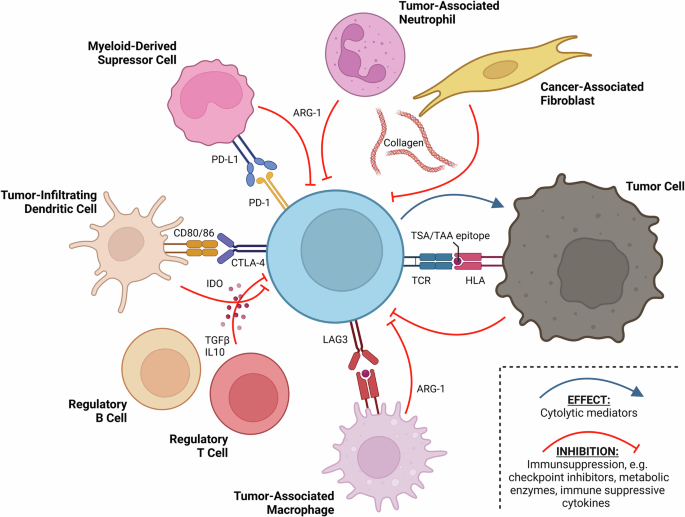
Jerne, N. K. Towards a network theory of the immune system. Ann. Immunol. 125C, 373–389 (1974).
Andersen, M. H. Immune regulation by self-recognition: novel possibilities for anticancer immunotherapy. J. Natl. Cancer Inst. 107, 154 (2015).
Andersen, M. H. Cancer and autoimmunity. Semin. Immunopathol. 39, 241–243 (2017).
Shi, P. et al. Recent advances in regulatory immune cells: exploring the world beyond Tregs. Front. Immunol. 16, 1530301 (2025).
Sakaguchi, S. Regulatory T cells. Springer Semin. Immunopathol. 28, 1–2 (2006).
Sakaguchi, S. et al. Immunologic self-tolerance maintained by activated T cells expressing IL-2 receptor alpha-chains (CD25). Breakdown of a single mechanism of self-tolerance causes various autoimmune diseases. J. Immunol. 155, 1151–1164 (1995).
Hori, S., Nomura, T. & Sakaguchi, S. Control of regulatory T cell development by the transcription factor Foxp3. Science 299, 1057–1061 (2003).
Brunkow, M. E. et al. Disruption of a new forkhead/winged-helix protein, scurfin, results in the fatal lymphoproliferative disorder of the scurfy mouse. Nat. Genet. 27, 68–73 (2001).
Sakaguchi, S. et al. The plasticity and stability of regulatory T cells. Nat. Rev. Immunol. 13, 461–467 (2013).
Cassetta, L. et al. Differential expansion of circulating human MDSC subsets in patients with cancer, infection and inflammation. J. Immunother. Cancer 8, e001223 (2020).
Zhang, X. et al. Reprogramming tumour-associated macrophages to outcompete cancer cells. Nature 619, 616–623 (2023).
Sadhukhan, P. & Seiwert, T. Y. The role of macrophages in the tumor microenvironment and tumor metabolism. Semin. Immunopathol. 45, 187–201 (2023).
Hansen, M. & Andersen, M. H. The role of dendritic cells in cancer. Semin. Immunopathol. 39, 307-316 (2016).
Liao, M. et al. PD-L1 on ex-vivo expanded toll-like-receptor-bregs prevents allograft rejection by Breg viability promotion, CD4(+)T effector cell suppression, and Tregs induction. Am. J. Transplant 25, 02945-4 (2025).
Holmstrom, M. O. & Hasselbalch, H. C. Cancer immune therapy for myeloid malignancies: present and future. Semin. Immunopathol. 41, 97-109 (2018).
Yu, C. P. et al. Targeting TDO in cancer immunotherapy. Med. Oncol. 34, 73–0933 (2017).
Quail, D. F. & Joyce, J. A. Microenvironmental regulation of tumor progression and metastasis. Nat. Med. 19, 1423–1437 (2013).
Hurwitz, A. A. & Watkins, S. K. Immune suppression in the tumor microenvironment: a role for dendritic cell-mediated tolerization of T cells. Cancer Immunol. Immunother. 61, 289–293 (2012).
Nurieva, R. I., Liu, X. & Dong, C. Molecular mechanisms of T-cell tolerance. Immunol. Rev. 241, 133–144 (2011).
Durgan, K., Ali, M., Warner, P. & Latchman, Y. E. Targeting NKT cells and PD-L1 pathway results in augmented anti-tumor responses in a melanoma model. Cancer Immunol. Immunother. 60, 547–558 (2011).
Jasperson, L. K. et al. Inducing the tryptophan catabolic pathway, indoleamine 2,3-dioxygenase (IDO), for suppression of graft-versus-host disease (GVHD) lethality. Blood 114, 5062–5070 (2009).
Gobert, M. et al. Regulatory T cells recruited through CCL22/CCR4 are selectively activated in lymphoid infiltrates surrounding primary breast tumors and lead to an adverse clinical outcome. Cancer Res. 69, 2000–2009 (2009).
Katz, J. B., Muller, A. J. & Prendergast, G. C. Indoleamine 2,3-dioxygenase in T-cell tolerance and tumoral immune escape. Immunol. Rev. 222, 206–221 (2008).
Pickford, W. J., Watson, A. J. & Barker, R. N. Different forms of helper tolerance to carcinoembryonic antigen: ignorance and regulation. Clin. Cancer Res. 13, 4528–4537 (2007).
Pure, E., Allison, J. P. & Schreiber, R. D. Breaking down the barriers to cancer immunotherapy. Nat. Immunol. 6, 1207–1210 (2005).
Curiel, T. J. et al. Blockade of B7-H1 improves myeloid dendritic cell-mediated antitumor immunity. Nat. Med. 9, 562–567 (2003).
Marincola, F. M., Jaffee, E. M., Hicklin, D. J. & Ferrone, S. Escape of human solid tumors from T-cell recognition: molecular mechanisms and functional significance. Adv. Immunol. 74, 181–273 (2000). 181-273.
Habaz, I. A. et al. MAIT cells promote cancer progression and regulatory T cell accumulation in bladder tumor microenvironment. J. Immunother. Cancer. 13, e012496 (2025).
Boutet, M. et al. Mutations in MLL3 promote breast cancer progression via HIF1alpha-dependent intratumoral recruitment and differentiation of regulatory T cells. Immunity 58, 2035–2053.e2039 (2025).
Andersen, M. H. Novel immunotherapeutic combinations moving forward: the modulation of the immunosuppressive microenvironment. Semin. Immunopathol. 45, 159–161 (2023).
Maia, A., Schollhorn, A., Schuhmacher, J. & Gouttefangeas, C. CAF-immune cell crosstalk and its impact in immunotherapy. Semin. Immunopathol. 45, 203–214 (2023).
Korman, A. J., Taylor, M. & Stephen Hodi, F. Endothelial cells as targets of immune checkpoint blockade. J. Immunother. Cancer 13, e013144 (2025).
Junttila, M. R. & de Sauvage, F. J. Influence of tumour micro-environment heterogeneity on therapeutic response. Nature 501, 346–354 (2013).
Andersen, M. H. Anti-regulatory T cells. Semin. Immunopathol. 39, 317–326 (2017).
Andersen, M. H. Tumor microenvironment antigens. Semin. Immunopathol. 45, 253-264 (2022).
Sorensen, R. B. et al. Indoleamine 2,3-dioxygenase specific, cytotoxic T cells as immune regulators. Blood 117, 2200–2210 (2011).
Sorensen, R. B. et al. Spontaneous cytotoxic T-Cell reactivity against indoleamine 2,3-dioxygenase-2. Cancer Res. 71, 2038–2044 (2011).
Andersen, M. H. CD4 responses against IDO. Oncoimmunology 1, 1211–1212 (2012).
Munir, S. et al. Natural CD4(+) T-Cell Responses against Indoleamine 2,3-Dioxygenase. PLoS ONE 7, e34568 (2012).
Martinenaite, E. et al. Frequent adaptive immune responses against arginase-1. Oncoimmunology 7, e1404215 (2017).
Martinenaite, E., Ahmad, S. M., Svane, I. M. & Andersen, M. H. Peripheral memory T cells specific for Arginase-1. Cell. Mol. Immunol. 16, 718-719 (2019).
Aaboe Jorgensen, M. et al. Arginase 1-based immune modulatory vaccines induce anticancer immunity and synergize with anti-PD-1 checkpoint blockade. Cancer Immunol. Res. 9, 1316–1326 (2021).
Weis-Banke, S. E. et al. The metabolic enzyme arginase-2 is a potential target for novel immune modulatory vaccines. Oncoimmunology 9, 1–16 (2020).
Munir, S. et al. HLA-restricted cytotoxic T cells that are specific for the immune checkpoint ligand PD-L1 occur with high frequency in cancer patients. Cancer Res. 73, 1674–1776 (2013).
Munir, S. et al. Cutaneous T cell lymphoma cells are targets for immune checkpoint ligand PD-L1-specific, cytotoxic T cells. Leukemia 27, 2251–2253 (2013).
Ahmad, S. M., Larsen, S. K., Svane, I. M. & Andersen, M. H. Harnessing PD-L1-specific cytotoxic T cells for anti-leukemia immunotherapy to defeat mechanisms of immune escape mediated by the PD-1 pathway. Leukemia 28, 236–238 (2014).
Ahmad, S. M., Svane, I. M. & Andersen, M. H. The stimulation of PD-L1-specific cytotoxic T lymphocytes can both directly and indirectly enhance antileukemic immunity. Blood Cancer J. 4, 230–233 (2014).
Ahmad, S. M. et al. The inhibitory checkpoint, PD-L2, is a target for effector T cells: Novel possibilities for immune therapy. Oncoimmunology 7, e1390641 (2017).
Holmstrom, M. O. et al. Cytotoxic T cells isolated from healthy donors and cancer patients kill TGFbeta-expressing cancer cells in a TGFbeta-dependent manner. Cell. Mol. Immunol. 18, 415–426 (2021).
Mortensen, R. E. J., Holmstrom, M. O. & Andersen, M. H. Characterization of TGFbeta-specific CD4(+)T cells through the modulation of TGFbeta expression in malignant myeloid cells. Cell. Mol. Immunol. 18, 2575–2577 (2021).
Perez-Penco, M. et al. TGFβ-derived immune modulatory vaccine: targeting the immunosuppressive and fibrotic tumor microenvironment in a murine model of pancreatic cancer. J. Immunother. Cancer 10 (2022).
Mortensen, R. E. J. et al. Pre-existing TGF-β-specific T-cell immunity in patients with pancreatic cancer predicts survival after checkpoint inhibitors combined with radiotherapy. J. Immunother. Cancer 11, e006432 (2023).
Martinenaite, E. et al. CCL22-specific T cells: modulating the Immunosuppressive Tumor Microenvironment. Oncoimmunology 5, e1238541 (2016).
Larsen, S. K. et al. Functional characterization of Foxp3-specific spontaneous immune responses. Leukemia 27, 2332–2340 (2013).
Andersen, M. H. The balance players of the adaptive immune system. Cancer Res. 78, 1379–1382 (2018).
Topalian, S. L., Drake, C. G. & Pardoll, D. M. Targeting the PD-1/B7-H1(PD-L1) pathway to activate anti-tumor immunity. Curr. Opin. Immunol. 24, 207–212 (2012).
Curran, M. A., Montalvo, W., Yagita, H. & Allison, J. P. PD-1 and CTLA-4 combination blockade expands infiltrating T cells and reduces regulatory T and myeloid cells within B16 melanoma tumors. Proc. Natl. Acad. Sci. USA 107, 4275–4280 (2010).
Bashey, A. et al. CTLA4 blockade with ipilimumab to treat relapse of malignancy after allogeneic hematopoietic cell transplantation. Blood 113, 1581–1588 (2009).
Fevery, S. et al. CTLA-4 blockade in murine bone marrow chimeras induces a host-derived antileukemic effect without graft-versus-host disease. Leukemia 21, 1451–1459 (2007).
Dranoff, G. CTLA-4 blockade: unveiling immune regulation. J. Clin. Oncol. 23, 662–664 (2005).
Nusinovich, Y. Tug of war with anti-PD-1. Science 356, 594–596 (2017).
Peng, W., Lizee, G. & Hwu, P. Blockade of the PD-1 pathway enhances the efficacy of adoptive cell therapy against cancer. Oncoimmunology 2, e22691 (2013).
Skoulidis, F. et al. CTLA4 blockade abrogates KEAP1/STK11-related resistance to PD-(L)1 inhibitors. Nature 635, 462–471 (2024).
Wang, S. et al. A bifunctional antibody targeting PD-1 and TGF-beta signaling has antitumor activity in combination with radiotherapy and attenuates radiation-induced lung injury. Cancer Immunol. Res. 13, 767-784 (2025).
Okines, A. F. C. et al. Tucatinib and trastuzumab in HER2-mutated metastatic breast cancer: a phase 2 basket trial. Nat. Med. 31, 909–916 (2025).
Hulen, T. M. et al. Corrigendum: ex vivo modulation of intact tumor fragments with anti-PD-1 and anti-CTLA-4 influences the expansion and specificity of tumor-infiltrating lymphocytes. Front. Immunol. 15, 1462081 (2024).
Chen, I. M. et al. Randomized phase II study of nivolumab with or without ipilimumab combined with stereotactic body radiotherapy for refractory metastatic pancreatic cancer (CheckPAC). J. Clin. Oncol. 40, 3180–3189 (2022).
Andersen, M. H., Schrama, D., Thor, S. P. & Becker, J. C. Cytotoxic T cells. J. Invest. Dermatol. 126, 32–41 (2006).
Bentivegna, S. et al. A non-conditioned bone marrow transplantation mouse model to study clonal hematopoiesis and myeloid malignancies. Exp. Hematol. Oncol. 14, 10 (2025).
Perez-Penco, M. et al. TGFbeta-specific T cells induced by a TGFbeta-derived immune modulatory vaccine both directly and indirectly modulate the phenotype of tumor-associated macrophages and fibroblasts. J. Immunother. Cancer 12, e008405 (2024).
Strum, S. et al. State-of-the-art advancements on cancer vaccines and biomarkers. Am. Soc. Clin. Oncol. Educ. Book 44, e438592 (2024).
Andersen, M. H. Immune modulatory vaccines: time to move into infectious diseases. Lancet Microbe 4, e4–e5 (2023).
Andersen, M. H. Novel immune modulatory vaccines targeting TGFβ. Cell. Mol. Immunol. 20, 551–553 (2023).
Andersen, M. H. The targeting of tumor-associated macrophages by vaccination. Cell Stress 3, 139–140 (2019).
Andersen, M. H. The T-win(R) technology: immune-modulating vaccines. Semin. Immunopathol. 41, 87-95 (2018).
Metz, R. et al. Zinc protoporphyrin IX stimulates tumor immunity by disrupting the immunosuppressive enzyme indoleamine 2,3-dioxygenase. Mol. Cancer Ther. 9, 1864–1871 (2010).
Muller, A. J. et al. Immunotherapeutic suppression of indoleamine 2,3-dioxygenase and tumor growth with ethyl pyruvate. Cancer Res. 70, 1845–1853 (2010).
Popov, A. & Schultze, J. L. IDO-expressing regulatory dendritic cells in cancer and chronic infection. J. Mol. Med. 86, 145–160 (2008).
Munn, D. H. & Mellor, A. L. Indoleamine 2,3-dioxygenase and tumor-induced tolerance. J. Clin. Invest. 117, 1147–1154 (2007).
Bauer, T. M. et al. Studying the immunosuppressive role of indoleamine 2,3-dioxygenase: tryptophan metabolites suppress rat allogeneic T-cell responses in vitro and in vivo. Transpl. Int. 18, 95–100 (2005).
Munn, D. H. et al. Expression of indoleamine 2,3-dioxygenase by plasmacytoid dendritic cells in tumor-draining lymph nodes. J. Clin. Invest. 114, 280–290 (2004).
Munn, D. H., Sharma, M. D. & Mellor, A. L. Ligation of B7-1/B7-2 by human CD4+ T cells triggers indoleamine 2,3-dioxygenase activity in dendritic cells. J. Immunol. 172, 4100–4110 (2004).
Sorensen, R. B. et al. The immunodominant HLA-A2-restricted MART-1 epitope is not presented on the surface of many melanoma cell lines. Cancer Immunol. Immunother. 58, 665–675 (2009).
Sorensen, R. B. et al. The immune system strikes back: cellular immune responses against indoleamine 2,3-dioxygenase. PLoS ONE 4, e6910 (2009).
Lin, X. et al. Regulatory mechanisms of PD-1/PD-L1 in cancers. Mol. Cancer 23, 108 (2024).
Han, Y., Liu, D. & Li, L. PD-1/PD-L1 pathway: current researches in cancer. Am. J. Cancer Res. 10, 727–742 (2020).
Borch, T. H., Donia, M., Andersen, M. H. & Svane, I. M. Reorienting the immune system in the treatment of cancer by using anti-PD-1 and anti-PD-L1 antibodies. Drug Discov. Today 20, 1127–1134 (2015).
Diskin, B. et al. PD-L1 engagement on T cells promotes self-tolerance and suppression of neighboring macrophages and effector T cells in cancer. Nat. Immunol. 21, 442–454 (2020).
Munir, S., Andersen, G. H., Svane, I. M. & Andersen, M. H. The immune checkpoint regulator PD-L1 is a specific target for naturally occurring CD4+ T cells. Oncoimmunology 2, e23991 (2013).
Ahmad, S. M. et al. PD-L1 peptide co-stimulation increases immunogenicity of a dendritic cell-based cancer vaccine. Oncoimmunology 5, e1202391 (2016).
Bazhin, A. V. et al. Interferon-alpha up-regulates the expression of PD-L1 molecules on immune cells through STAT3 and p38 signaling. Front. Immunol. 9, 2129 (2018).
Noman, M. Z. et al. Tumor-promoting effects of myeloid-derived suppressor cells are potentiated by hypoxia-induced expression of miR-210. Cancer Res. 75, 3771–3787 (2015).
Liu, J. et al. Plasma cells from multiple myeloma patients express B7-H1 (PD-L1) and increase expression after stimulation with IFN-{gamma} and TLR ligands via a MyD88-, TRAF6-, and MEK-dependent pathway. Blood 110, 296–304 (2007).
Schreiner, B. et al. Interferon-beta enhances monocyte and dendritic cell expression of B7-H1 (PD-L1), a strong inhibitor of autologous T-cell activation: relevance for the immune modulatory effect in multiple sclerosis. J. Neuroimmunol. 155, 172–182 (2004).
Xiao, W. et al. IFNAR1 controls autocrine type I IFN regulation of PD-L1 expression in myeloid-derived suppressor cells. J. Immunol. 201, 264–277 (2018).
Ciorba, M. A. et al. Induction of IDO-1 by immunostimulatory DNA limits severity of experimental colitis. J. Immunol. 184, 3907–3916 (2010).
Kim, Y. H. et al. IFN-gamma-indoleamine-2,3 dioxygenase acts as a major suppressive factor in 4-1BB-mediated immune suppression in vivo. J. Leukoc. Biol. 85, 817–825 (2009).
Muller, A. et al. The missing link between indoleamine 2,3-dioxygenase mediated antibacterial and immunoregulatory effects. J. Cell Mol. Med. 13, 1125–1135 (2009).
Andersen, M. H. T-cell dependent immunoselection. Oncoimmunology 1, 1003 (2012).
Munir, S. et al. Inflammation induced PD-L1-specific T cells. Cell Stress 3, 319–327 (2019).
Raftery, M. J. et al. Shaping phenotype, function, and survival of dendritic cells by cytomegalovirus-encoded IL-10. J. Immunol. 173, 3383–3391 (2004).
Anderson, M. S. et al. Projection of an immunological self shadow within the thymus by the aire protein. Science 298, 1395–1401 (2002).
Yu, W. et al. Clonal deletion prunes but does not eliminate self-specific alphabeta CD8(+) T lymphocytes. Immunity 42, 929–941 (2015). 19.
Ahmad, S. M., Borch, T. H., Hansen, M. & Andersen, M. H. PD-L1-specific T cells. Cancer Immunol. Immunother. 65, 797–804 (2016).
Andersen, M. H. The specific targeting of immune regulation: T-cell responses against Indoleamine 2,3-dioxygenase. Cancer Immunol. Immunother. 61, 1289–1297 (2012).
Andersen, M. H. Immune modulatory vaccines: the safe way to inflame the tumor microenvironment & guide anti-cancer immunotherapies. IO Insights 3, 7 (2022).
Coulie, P. G., Van den Eynde, B. J., van der Bruggen, P. & Boon, T. Tumour antigens recognized by T lymphocytes: at the core of cancer immunotherapy. Nat. Rev. Cancer 14, 135–146 (2014).
Apavaloaei, A. et al. Tumor antigens preferentially derive from unmutated genomic sequences in melanoma and non-small cell lung cancer. Nat. Cancer 6, 1419–1437 (2025).
Schrank, B. R. & Kim, B. Y. S. Uncovering the hidden landscape of tumour antigens. Nat. Rev. Immunol. 25, 482 (2025).
Kenter, G. G. et al. Vaccination against HPV-16 oncoproteins for vulvar intraepithelial neoplasia. N. Engl. J. Med. 361, 1838–1847 (2009).
Andersen, M. H. et al. Immunogenicity of constitutively active V599EBRaf. Cancer Res. 64, 5456–5460 (2004).
Holmstrom, M. O. et al. The CALR exon 9 mutations are shared neoantigens in patients with CALR mutant chronic myeloproliferative neoplasms. Leukemia 30, 2413–2416 (2016).
Holmstrom, M. O. et al. The CALR mutations enhance the expression of the immunosuppressive proteins GARP and LAP on peripheral blood lymphocytes through increased binding of activated platelets. Br. J. Haematol. 205, 1417–1429 (2024).
Wainberg, Z. A. et al. Lymph node-targeted, mKRAS-specific amphiphile vaccine in pancreatic and colorectal cancer: phase 1 AMPLIFY-201 trial final results. Nat. Med. 31, 3648–3653 (2025).
Pedersen, L. O. et al. Differential expression of inhibitory or activating CD94/NKG2 subtypes on MART-1-reactive T cells in vitiligo versus melanoma: a case report. J. Invest. Dermatol. 118, 595–599 (2002).
Markovic, S. N. et al. Peptide vaccination of patients with metastatic melanoma: improved clinical outcome in patients demonstrating effective immunization. Am. J. Clin. Oncol. 29, 352–360 (2006).
Andersen, M. H., Pedersen, L. O., Becker, J. C. & thor Straten, P. Identification of a cytotoxic T lymphocyte response to the apoptose inhibitor protein survivin in cancer patients. Cancer Res. 61, 869–872 (2001).
Andersen, M. H. et al. Spontaneous cytotoxic T-cell responses against survivin-derived MHC class I-restricted T-cell epitopes in situ as well as ex vivo in cancer patients. Cancer Res. 61, 5964–5968 (2001).
Andersen, M. H. et al. Immunogenicity of Bcl-2 in cancer patients. Blood 15, 728–734 (2005).
Andersen, M. H. et al. Spontaneous immunity against Bcl-X(L) in cancer patients. J. Immunol. 175, 2709–2714 (2005).
Andersen, M. H., Becker, J. C. & Straten, P. Regulators of apoptosis: suitable targets for immune therapy of cancer. Nat. Rev. Drug Discov. 4, 399–409 (2005).
Vonderheide, R. H., Hahn, W. C., Schultze, J. L. & Nadler, L. M. The telomerase catalytic subunit is a widely expressed tumor-associated antigen recognized by cytotoxic T lymphocytes. Immunity 10, 673–679 (1999).
Wenandy, L. et al. The 1170 A-P single-nucleotide polymorphism (SNP) in the Her-2/neu protein (HER2) as a minor histocompatibility antigen (mHag). Leukemia 23, 1926–1929 (2009).
Krug, L. M. et al. WT1 peptide vaccinations induce CD4 and CD8 T cell immune responses in patients with mesothelioma and non-small cell lung cancer. Cancer Immunol. Immunother. 59, 1467-1479 (2010).
Morgan, R. A. et al. Cancer regression and neurological toxicity following anti-MAGE-A3 TCR gene therapy. J. Immunother. 36, 133–151 (2013).
Blass, E. et al. A multi-adjuvant personal neoantigen vaccine generates potent immunity in melanoma. Cell 188, 5125–5141.e5127 (2025).
Sahin, U. & Tureci, O. Personalized vaccines for cancer immunotherapy. Science 359, 1355–1360 (2018).
Chen, J. et al. Focal adhesion kinase/Src family kinase axis-mediated tyrosine phosphorylation of metabolic enzymes facilitates tumor metastasis. Signal Transduct. Target. Ther. 10, 280 (2025).
Mondanelli, G. et al. A relay pathway between arginine and tryptophan metabolism confers immunosuppressive properties on dendritic cells. Immunity 46, 233–244 (2017).
Bronte, V. & Zanovello, P. Regulation of immune responses by L-arginine metabolism. Nat. Rev. Immunol. 5, 641–654 (2005).
Uyttenhove, C. et al. Evidence for a tumoral immune resistance mechanism based on tryptophan degradation by indoleamine 2,3-dioxygenase. Nat. Med. 9, 1269–1274 (2003).
Prendergast, G. C., Metz, R. & Muller, A. J. IDO recruits Tregs in melanoma. Cell Cycle 8, 1818–1819 (2009).
Okamoto, A. et al. Indoleamine 2,3-dioxygenase serves as a marker of poor prognosis in gene expression profiles of serous ovarian cancer cells. Clin. Cancer Res. 11, 6030–6039 (2005).
Salmi, S. et al. The role of FoxP3+ regulatory T cells and IDO+ immune and tumor cells in malignant melanoma – an immunohistochemical study. BMC Cancer 21, 641 (2021).
Kollgaard, T. et al. Association of a functional Indoleamine 2,3-dioxygenase 2 genotype with specific immune responses. Oncoimmunology 1, 441–447 (2012).
Hoffmann, D. et al. Tryptophan 2,3-dioxygenase expression identified in human hepatocellular carcinoma cells and in intratumoral pericytes of most cancers. Cancer Immunol. Res. 8, 19–31 (2020).
Hjortso, M. C. et al. Tryptophan 2,3-dioxygenase (TDO)-reactive T cells differ in their functional characteristics in health and cancer. Oncoimmunology 4, e968480 (2015).
Pesce, J. T. et al. Arginase-1-expressing macrophages suppress Th2 cytokine-driven inflammation and fibrosis. PLoS. Pathog. 5, e1000371 (2009).
Gannon, P. O. et al. Androgen-regulated expression of arginase 1, arginase 2 and interleukin-8 in human prostate cancer. PLoS ONE 5, e12107 (2010).
Bron, L. et al. Prognostic value of arginase-II expression and regulatory T-cell infiltration in head and neck squamous cell carcinoma. Int. J. Cancer 132, E85–E93 (2013).
Ino, Y. et al. Arginase II expressed in cancer-associated fibroblasts indicates tissue hypoxia and predicts poor outcome in patients with pancreatic cancer. PLoS ONE 8, e55146 (2013).
Caldwell, R. B., Toque, H. A., Narayanan, S. P. & Caldwell, R. W. Arginase: an old enzyme with new tricks. Trends Pharmacol. Sci. 36, 395–405 (2015).
Pham, T. N., Liagre, B., Girard-Thernier, C. & Demougeot, C. Research of novel anticancer agents targeting arginase inhibition. Drug Discov. Today 23, 871–878 (2018).
Lowe, M. M. et al. Regulatory T cells use arginase 2 to enhance their metabolic fitness in tissues. JCI Insight. 4, e129756 (2019).
Weis-Banke, S. E. et al. Arginase-2 specific cytotoxic T cells specifically recognize functional regulatory T cells. J. Immunother. Cancer 10, e005326 (2022).
Geiger, R. et al. L-Arginine modulates T cell metabolism and enhances survival and anti-tumor activity. Cell 20, 829–842 (2016).
Martinenaite, E. et al. Arginase-1-based vaccination against the tumor microenvironment: the identification of an optimal T-cell epitope. Cancer Immunol. Immunother. 68, 1901-1907 (2019).
Martinenaite, E. et al. Frequent adaptive immune responses against arginase-1. Oncoimmunology 7, e1404215 (2018).
Jorgensen, M. A. et al. Spontaneous T-cell responses against Arginase-1 in the chronic myeloproliferative neoplasms relative to disease stage and type of driver mutation. Oncoimmunology 7, e1468957 (2018).
Martinenaite, E. et al. Arginase-1-specific T cells target and modulate tumor-associated macrophages. J. Immunother. Cancer 13, e009930 (2025).
Lisle, T. L. et al. Harnessing Arginase-2-specific CD8+ T cells to target immunosuppressive Cutaneous T cell Lymphoma. Br. J. Dermatol. 194, 689-698 (2025).
Schmidt, H. Developing combination strategies using PD-1/PD-L1 checkpoint inhibitors to treat cancer. Semin. Immunopathol. 41, 21-30 (2018).
Danilova, L. et al. Association of PD-1/PD-L axis expression with cytolytic activity, mutational load, and prognosis in melanoma and other solid tumors. Proc. Natl. Acad. Sci. USA 113, E7769–E7777 (2016).
Minami, T. et al. Identification of programmed death ligand 1-derived peptides capable of inducing cancer-reactive cytotoxic T lymphocytes from HLA-A24+ patients with renal cell carcinoma. J. Immunother. 38, 285–291 (2015).
Pardoll, D. M. The blockade of immune checkpoints in cancer immunotherapy. Nat. Rev. Cancer 12, 252–264 (2012).
Batlle, E. & Massague, J. Transforming growth factor-beta signaling in immunity and cancer. Immunity 50, 924–940 (2019).
Cheng, H. et al. Kras(G12D) mutation contributes to regulatory T cell conversion through activation of the MEK/ERK pathway in pancreatic cancer. Cancer Lett. 446, 103–111 (2019).
Deng, Z. et al. TGF-beta signaling in health, disease, and therapeutics. Signal Transduct. Target. Ther. 9, 61 (2024).
Oh, S. A. & Li, M. O. TGF-beta: guardian of T cell function. J. Immunol. 191, 3973–3979 (2013).
Mariathasan, S. et al. TGFbeta attenuates tumour response to PD-L1 blockade by contributing to exclusion of T cells. Nature 554, 544–548 (2018).
Ruders, J. H. et al. Rationale for multi-epitope TGFβ vaccination in pancreatic cancer: evidence from immunologic and clinical correlates. Signal Transduct. Target. Ther. 11, 107 (2026).
Lisle, T. L. et al. TGF-beta-specific T cells are frequent in peripheral blood and bone-marrow from patients with myeloproliferative neoplasms. Leukemia 40, 224-229 (2025).
Perez-Penco, M. et al. The antitumor activity of TGFbeta-specific T cells is dependent on IL-6 signaling. Cell. Mol. Immunol. 22, 111–126 (2025).
Takaishi, K. et al. Involvement of M2-polarized macrophages in the ascites from advanced epithelial ovarian carcinoma in tumor progression via Stat3 activation. Cancer Sci. 101, 2128–2136 (2010).
Schulz, U. et al. Interleukin-10 promotes NK cell killing of autologous macrophages by stimulating expression of NKG2D ligands. Scand. J. Immunol. 72, 319–331 (2010).
Rohrle, N., Knott, M. M. L. & Anz, D. CCL22 Signaling in the Tumor Environment. Adv. Exp. Med. Biol. 1231, 79–96 (2020).
Zhou, M. et al. Serum macrophage-derived chemokine/CCL22 levels are associated with glioma risk, CD4 T cell lymphopenia and survival time. Int. J. Cancer 137, 826–836 (2015).
Cao, L. et al. The role of the CCL22-CCR4 axis in the metastasis of gastric cancer cells into omental milky spots. J. Transl. Med. 12, 267–0267 (2014).
Lecoq, I. et al. CCL22-based peptide vaccines induce anti-cancer immunity by modulating tumor microenvironment. Oncoimmunology 11, 2115655 (2022).
Miyao, T. et al. Plasticity of Foxp3(+) T cells reflects promiscuous Foxp3 expression in conventional T cells but not reprogramming of regulatory T cells. Immunity 36, 262–275 (2012).
Ziegler, S. F. FOXP3: not just for regulatory T cells anymore. Eur. J. Immunol. 37, 21–23 (2007).
Andersen, M. H. FOXP3-specific immunity. Oncoimmunology 2, e26247 (2013).
Nair, S. et al. Vaccination against the forkhead family transcription factor Foxp3 enhances tumor immunity. Cancer Res. 67, 371–380 (2007).
van, E. T. et al. Vaccination against Foxp3(+) regulatory T cells aggravates atherosclerosis. Atherosclerosis 209, 74–80 (2010).
Feng, T., Shen, H. & Ye, S. LncRNA ZFAS1 promotes the transformation from prostatitis to prostate cancer via myddosome assembly-mediated activation of NF-kappaB signaling. Discov. Oncol. 16, 1046 (2025).
Chaturvedi, M. M. et al. NF-kappaB addiction and its role in cancer: ‘one size does not fit all’. Oncogene 30, 1615–1630 (2011).
Kim, D. W. et al. Activation of NF-kappaB/Rel occurs early during neoplastic transformation of mammary cells. Carcinogenesis 21, 871–879 (2000).
Hu, M. C. et al. IkappaB kinase promotes tumorigenesis through inhibition of forkhead FOXO3a. Cell 117, 225–237 (2004).
Munir, S. et al. Characterization of T-cell responses against IkappaBalpha in cancer patients. Oncoimmunology 1, 1290–1296 (2012).
Mai, Q. et al. Galectin-3 suppresses CD8(+) T cells function via myeloid-derived suppressor cells recruitment in cervical cancer. Int. J. Biol. Macromol. 311, 143683 (2025).
Raiter, A. et al. Galectin-3 secreted by triple-negative breast cancer cells regulates T cell function. Neoplasia 60, 101117 (2025).
Rivera-Ramos, A. et al. Galectin-3 depletion tames pro-tumoural microglia and restrains cancer cells growth. Cancer Lett. 591, 216879 (2024).
Bendtsen, S. K. et al. Peptide vaccination activating Galectin-3-specific T cells offers a novel means to target Galectin-3-expressing cells in the tumor microenvironment. Oncoimmunology 11, 2026020 (2022).
Andersen, M. H., Svane, I. M., Becker, J. C. & Straten, P. T. The universal character of the tumor-associated antigen survivin. Clin. Cancer Res. 13, 5991–5994 (2007).
Dias, S., Shmelkov, S. V., Lam, G. & Rafii, S. VEGF(165) promotes survival of leukemic cells by Hsp90-mediated induction of Bcl-2 expression and apoptosis inhibition. Blood 99, 2532–2540 (2002).
Katoh, O. et al. Vascular endothelial growth factor inhibits apoptotic death in hematopoietic cells after exposure to chemotherapeutic drugs by inducing MCL1 acting as an antiapoptotic factor. Cancer Res. 58, 5565–5569 (1998).
Duperret, E. K. et al. Alteration of the tumor stroma using a consensus DNA vaccine targeting fibroblast activation protein (FAP) synergizes with antitumor vaccine therapy in mice. Clin. Cancer Res. 24, 1190–1201 (2018).
Li, F. Role of survivin and its splice variants in tumorigenesis. Br. J. Cancer 92, 212–216 (2005).
Altieri, D. C. Validating survivin as a cancer therapeutic target. Nat. Rev. Cancer 3, 46–54 (2003).
Reker, S. et al. HLA-B35-restricted immune responses against survivin in cancer patients. Int. J. Cancer 108, 937–941 (2004).
Reker, S. et al. Identification of novel survivin-derived CTL epitopes. Cancer Biol. Ther. 3, 173–179 (2004).
Andersen, M. H. & thor, S. P. Survivin-a universal tumor antigen. Histol. Histopathol. 17, 669–675 (2002).
Becker, J. C. et al. Survivin-specific T-cell reactivity correlates with tumor response and patient survival: a phase-II peptide vaccination trial in metastatic melanoma. Cancer Immunol. Immunother. 61, 2091–2103 (2012).
Hofmann, U. B. et al. Identification and characterization of survivin-derived H-2Kb-restricted CTL epitopes. Eur. J. Immunol. 39, 1419–1424 (2009).
Berntsen, A. et al. Therapeutic dendritic cell vaccination of patients with metastatic renal cell carcinoma: a clinical phase 1/2 trial. J. Immunother. 31, 771–780 (2008).
Niethammer, A. G. et al. A DNA vaccine against VEGF receptor 2 prevents effective angiogenesis and inhibits tumor growth. Nat. Med. 8, 1369–1375 (2002).
Yoshimura, K., Minami, T., Nozawa, M. & Uemura, H. Phase I clinical trial of human vascular endothelial growth factor receptor 1 peptide vaccines for patients with metastatic renal cell carcinoma. Br. J. Cancer 108, 1260–1266 (2013).
Monteran, L. & Erez, N. The dark side of fibroblasts: cancer-associated fibroblasts as mediators of immunosuppression in the tumor microenvironment. Front. Immunol. 10, 1835 (2019).
Chen, X. & Song, E. Turning foes to friends: targeting cancer-associated fibroblasts. Nat. Rev. Drug Discov. 18, 99–115 (2019).
Yi, Y. M. et al. A new tumor vaccine: FAPtau-MT elicits effective antitumor response by targeting indolamine2,3-dioxygenase in antigen presenting cells. Cancer Biol. Ther. 11, 866–873 (2011).
Chen, M. et al. Anti-tumour effects of a xenogeneic fibroblast activation protein-based whole cell tumour vaccine in murine tumour models. Artif. Cells Nanomed. Biotechnol. 47, 4182–4193 (2019).
Glockner, H. J. et al. Arginase-1 specific CD8+ T cells react toward malignant and regulatory myeloid cells. Oncoimmunology 13, 2318053 (2024).
Holmstrom, M. O. et al. Spontaneous T-cell responses against the immune check point programmed-death-ligand 1 (PD-L1) in patients with chronic myeloproliferative neoplasms correlate with disease stage and clinical response. Oncoimmunology 7, e1433521 (2018).
Xu, J. et al. Dual roles and therapeutic targeting of tumor-associated macrophages in tumor microenvironments. Signal Transduct. Target. Ther. 10, 268 (2025).
De Sanctis, F., Adamo, A., Cane, S. & Ugel, S. Targeting tumour-reprogrammed myeloid cells: the new battleground in cancer immunotherapy. Semin. Immunopathol. 45, 163–186 (2023).
Thomas, T. Neutrophils determine immunotherapy success. Nat. Cancer 4, 1645 (2023).
Chu, Y. et al. Pan-cancer T cell atlas links a cellular stress response state to immunotherapy resistance. Nat. Med. 29, 1550–1562 (2023).
Ye, R. et al. Revealing the role of regulatory b cells in cancer: development, function and treatment significance. Cancer Immunol. Immunother. 74, 125 (2025).
Fujiwara, Y. et al. Regulatory B cells drive immune evasion in the tumor microenvironment and are involved peritoneal metastasis in gastric cancer. Sci. Rep. 15, 27499 (2025).
Li, S. et al. STING-induced regulatory B cells compromise NK function in cancer immunity. Nature 610, 373–380 (2022).
Dey, S. et al. Peptide vaccination directed against IDO1-expressing immune cells elicits CD8(+) and CD4(+) T-cell-mediated antitumor immunity and enhanced anti-PD1 responses. J. Immunother. Cancer 8, 373-380 (2020).
Nandre, R. et al. IDO vaccine ablates immune-suppressive myeloid populations and enhances antitumor effects independent of tumor cell IDO status. Cancer Immunol. Res. 10, 571–580 (2022).
Chapellier, M. et al. 1468 Peptide vaccination against PD-L1 reduces tumor growth in preclinical models through stimulation of PD-L1-targeting T cells in the tumor microenvironment. J. Immunother. Cancer 11, poster 1468 (2023).
Chapellier, M. et al. Abstract 2241: Immune-modulatory therapeutic cancer vaccines against IDO1 and PD-L1 control tumor growth through target specific changes in the tumor microenvironment. Cancer Res. 85, 2241 (2025).
Xiang, R. et al. A DNA vaccine targeting survivin combines apoptosis with suppression of angiogenesis in lung tumor eradication. Cancer Res. 65, 553–561 (2005).
Kyutoku, M. et al. Development of novel DNA vaccine for VEGF in murine cancer model. Sci. Rep. 3, 3380 (2013).
Tamura, R. et al. A VEGF receptor vaccine demonstrates preliminary efficacy in neurofibromatosis type 2. Nat. Commun. 10, 5758 (2019).
Iversen, T. Z. et al. Long-lasting disease stabilization in the absence of toxicity in metastatic lung cancer patients vaccinated with an epitope derived from indoleamine 2,3 dioxygenase. Clin. Cancer Res. 20, 221–232 (2014).
Kjeldsen, J. W. et al. Durable clinical responses and long-term follow-up of stage III-IV non-small-cell lung cancer (NSCLC) patients treated with IDO peptide vaccine in a phase I study-a brief research report. Front. Immunol. 19, 2145–2150 (2018).
Jorgensen, N. G. et al. Peptide vaccination against PD-L1 With IO103 a novel immune modulatory vaccine in multiple myeloma: a phase I first-in-human trial. Front. Immunol. 11, 595035 (2020).
Klausen, U. et al. An immunogenic first-in-human immune modulatory vaccine with PD-L1 and PD-L2 peptides is feasible and shows early signs of efficacy in follicular lymphoma. Oncoimmunology 10, 1975889 (2021).
Kjeldsen, J. W. et al. A phase 1/2 trial of an immune-modulatory vaccine against IDO/PD-L1 in combination with nivolumab in metastatic melanoma. Nat. Med. 27, 2212–2223 (2021).
Lorentzen, C. L. et al. Long-term follow-up of anti-PD-1 naive patients with metastatic melanoma treated with IDO/PD-L1 targeting peptide vaccine and nivolumab. J. Immunother. Cancer 11, 2212-2223 (2023).
Pedersen, S. et al. Five-year clinical outcome and immune biomarkers of durable response from the MM1636 trial on IDO/PD-L1 vaccination and PD-1 blockade in first line metastatic melanoma. Nat. Commun. 11, e006755 (2025).
Hassel, J. C. et al. LBA53 – IO102-IO103 cancer vaccine plus pembrolizumab for first-line (1L) advanced melanoma: Primary phase III results (IOB-013/KN-D18). Ann. Oncol. 36, S1712–S1713 (2025).
Verma, V. et al. PD-1 blockade in subprimed CD8 cells induces dysfunctional PD-1(+)CD38(hi) cells and anti-PD-1 resistance. Nat. Immunol. 20, 1231–1243 (2019).
Riess, J. W. et al. 1022P A phase II trial of the IO102-IO103 vaccine plus pembrolizumab: completed cohort for first-line (1L) treatment of advanced squamous cell carcinoma of the head and neck (SCCHN). Ann. Oncol. 35, S691 (2024).
Riess, J. W. et al. 1557P IO102-IO103 cancer vaccine plus pembrolizumab for first line (1L) treatment of advanced solid tumors: final results of a phase 2 basket trial. Ann. Oncol. 36, S929 (2025).
Khattak, M. A. et al. 663P first-in-human, phase I/II, monotherapy, dose-escalation study of mRNA-4359, an mRNA-encoded PD-L1/IDO1 antigen-specific therapy, in advanced/refractory solid tumors. Ann. Oncol. 35, S521–S522 (2024).
Pinato, D. J. et al. 1515MO – Clinical outcomes and PD-L1 expression analyses from a trial of mRNA-4359 plus pembrolizumab in checkpoint inhibitor-resistant/refractory (CPI-R/R) melanoma. Ann. Oncol. 36, S908–S909 (2025).
Lorentzen, C. L. et al. Arginase-1 targeting peptide vaccine in patients with metastatic solid tumors – a phase I trial. Front. Immunol. 13, 1023023 (2022).
Grauslund, J. H. et al. An arginase1- and PD-L1-derived peptide-based vaccine for myeloproliferative neoplasms: a first-in-man clinical trial. Front. Immunol. 14, 1117466 (2023).
Wobser, M. et al. Complete remission of liver metastasis of pancreatic cancer under vaccination with a HLA-A2 restricted peptide derived from the universal tumor antigen survivin. Cancer Immunol. Immunother. 55, 1294–1298 (2006).
Dorigo, O. et al. Maveropepimut-S, a DPX-based immune-educating therapy, shows promising and durable clinical benefit in patients with recurrent ovarian cancer, a phase II trial. Clin. Cancer Res. 29, 2808–2815 (2023).
Ahluwalia, M. S. et al. Phase IIa study of SurVaxM plus adjuvant temozolomide for newly diagnosed glioblastoma. J. Clin. Oncol. 41, 1453–1465 (2023).
Schmitz-Winnenthal, F. H. et al. A phase 1 trial extension to assess immunologic efficacy and safety of prime-boost vaccination with VXM01, an oral T cell vaccine against VEGFR2, in patients with advanced pancreatic cancer. Oncoimmunology 7, e1303584 (2018).
Gavilondo, J. V. et al. Specific active immunotherapy with a VEGF vaccine in patients with advanced solid tumors. results of the CENTAURO antigen dose escalation phase I clinical trial. Vaccine 32, 2241–2250 (2014).
Jorgensen, N. G. D. et al. Efficacy and safety of IO103 a novel anti PD-L1 vaccine in basal cell carcinoma. J. Clin. Oncol. 38, 2241-2250 (2020).
Bjoern, J. et al. Safety, immune and clinical responses in metastatic melanoma patients vaccinated with a long peptide derived from indoleamine 2,3-dioxygenase in combination with ipilimumab. Cytotherapy 18, 1043–1055 (2016).
Fan, T. et al. Therapeutic cancer vaccines: advancements, challenges, and prospects. Signal Transduct. Target. Ther. 8, 450 (2023).
Han, T. et al. Immunomodulatory vaccine demonstrates therapeutic efficacy across cancer types. Sci. Rep. 15, 38138 (2025).
Weber, J. S. et al. Individualised neoantigen therapy mRNA-4157 (V940) plus pembrolizumab versus pembrolizumab monotherapy in resected melanoma (KEYNOTE-942): a randomised, phase 2b study. Lancet 403, 632–644 (2024).
Zhang, P. et al. Immunotherapy for gastric cancer: advances and challenges. MedComm Oncol. 3, e92 (2024).
Byrdal, M. et al. 334P modulation of myeloid cells by T cells activated by an IDO/PD-L1 vaccine reprograms the tumor microenvironment to support immune-mediated tumor killing. IO Insights 28, 101331 (2025).
Larkin, J. et al. Five-year survival with combined nivolumab and ipilimumab in advanced melanoma. N. Engl. J. Med. 381, 1535–1546 (2019).
Hodi, F. S. et al. Combined nivolumab and ipilimumab versus ipilimumab alone in patients with advanced melanoma: 2-year overall survival outcomes in a multicentre, randomised, controlled, phase 2 trial. Lancet Oncol. 17, 1558–1568 (2016).
Ali, O. A., Lewin, S. A., Dranoff, G. & Mooney, D. J. Vaccines combined with immune checkpoint antibodies promote cytotoxic T-cell activity and tumor eradication. Cancer Immunol. Res. 4, 95–100 (2016).
Duperret, E. K. et al. Synergy of immune checkpoint blockade with a novel synthetic consensus DNA vaccine targeting TERT. Mol. Ther. 26, 435–445 (2018).
Tawbi, H. A. et al. Relatlimab and nivolumab versus nivolumab in untreated advanced melanoma. N. Engl. J. Med. 386, 24–34 (2022).
Zahm, C. D., Moseman, J. E., Delmastro, L. E. & G Mcneel, D. PD-1 and LAG-3 blockade improve anti-tumor vaccine efficacy. Oncoimmunology 10, 1912892 (2021).
Bae, J. et al. Selective targeting of multiple myeloma by B cell maturation antigen (BCMA)-specific central memory CD8(+) cytotoxic T lymphocytes: immunotherapeutic application in vaccination and adoptive immunotherapy. Leukemia 33, 2208–2226 (2019).
Nelson, C. E. et al. Reprogramming responsiveness to checkpoint blockade in dysfunctional CD8 T cells. Proc. Natl. Acad. Sci. USA 116, 2640–2645 (2019).
Khleif, S. N. & Gupta, S. Cancer vaccines as enablers of immunotherapy. Nat. Immunol. 26, 1877–1889 (2025).
Tsahouridis, O. et al. The landscape of CAR-engineered innate immune cells for cancer immunotherapy. Nat. Cancer 6, 1145–1156 (2025).
Cohen, A. D. et al. Efficacy and safety of cilta-cel in patients with progressive multiple myeloma after exposure to other BCMA-targeting agents. Blood 141, 219–230 (2023).
Mi, J. Q. et al. Phase II, open-label study of ciltacabtagene autoleucel, an anti-B-cell maturation antigen chimeric antigen receptor-T-cell therapy, in Chinese patients with relapsed/refractory multiple myeloma (CARTIFAN-1). J. Clin. Oncol. 41, 1275–1284 (2023).
Haas, A. R. et al. Phase I study of lentiviral-transduced chimeric antigen receptor-modified T cells recognizing mesothelin in advanced solid cancers. Mol. Ther. 27, 1919–1929 (2019).
D’Angelo, S. P. et al. Afamitresgene autoleucel for advanced synovial sarcoma and myxoid round cell liposarcoma (SPEARHEAD-1): an international, open-label, phase 2 trial. Lancet 403, 1460–1471 (2024).
Lisle, T. L. et al. Engineering T cells with a novel PD-L1-specific TCR targeting immune and cancer cells. submitted, (2026).
Prendergast, G. C., Metz, R. & Muller, A. J. Towards a genetic definition of cancer-associated inflammation: role of the IDO pathway. Am. J. Pathol. 176, 2082–2087 (2010).
Muller, A. J. et al. Chronic inflammation that facilitates tumor progression creates local immune suppression by inducing indoleamine 2,3 dioxygenase. Proc. Natl. Acad. Sci. USA 105, 17073–17078 (2008).
Muller, A. J. & Prendergast, G. C. Indoleamine 2,3-dioxygenase in immune suppression and cancer. Curr. Cancer Drug Targets 7, 31–40 (2007).
Muller, A. J. et al. Inhibition of indoleamine 2,3-dioxygenase, an immunoregulatory target of the cancer suppression gene Bin1, potentiates cancer chemotherapy. Nat. Med. 11, 312–319 (2005).
Ye, P. H. et al. A novel combination therapy of arginine deiminase and an arginase inhibitor targeting arginine metabolism in the tumor and immune microenvironment. Am. J. Cancer Res. 13, 1952–1969 (2023).
Pilanc, P. et al. A novel oral arginase 1/2 inhibitor enhances the antitumor effect of PD-1 inhibition in murine experimental gliomas by altering the immunosuppressive environment. Front. Oncol. 11, 703465 (2021).
Walsh, R. J., Sundar, R. & Lim, J. S. J. Immune checkpoint inhibitor combinations-current and emerging strategies. Br. J. Cancer 128, 1415–1417 (2023).
Ling, X., Bernacki, R. J., Brattain, M. G. & Li, F. Induction of survivin expression by taxol (paclitaxel) is an early event, which is independent of taxol-mediated G2/M arrest. J. Biol. Chem. 279, 15196–15203 (2004).
Hussein, M. R., Haemel, A. K. & Wood, G. S. Apoptosis and melanoma: molecular mechanisms. J. Pathol. 199, 275–288 (2003).
Andersen, M. H. et al. Cancer treatment: the combination of vaccination with other therapies. Cancer Immunol. Immunother. 57, 1735–1743 (2008).
Delaney, G., Jacob, S., Featherstone, C. & Barton, M. The role of radiotherapy in cancer treatment: estimating optimal utilization from a review of evidence-based clinical guidelines. Cancer 104, 1129–1137 (2005).
Deng, L. et al. Irradiation and anti-PD-L1 treatment synergistically promote antitumor immunity in mice. J. Clin. Invest. 124, 687–695 (2014).
Zhang, G. et al. mRNA vaccines in disease prevention and treatment. Signal Transduct. Target. Ther. 8, 365 (2023).
Suzuki, N. et al. Phase II clinical trial of peptide cocktail therapy for patients with advanced pancreatic cancer: VENUS-PC study. Cancer Sci. 108, 73–80 (2017).
Ott, P. A. et al. An immunogenic personal neoantigen vaccine for patients with melanoma. Nature 547, 217–221 (2017).
Rojas, L. A. et al. Personalized RNA neoantigen vaccines stimulate T cells in pancreatic cancer. Nature 618, 144–150 (2023).
Melero, I. et al. Therapeutic vaccines for cancer: an overview of clinical trials. Nat. Rev. Clin. Oncol. 11, 509–524 (2014).
Lutz, E. R. et al. Immunotherapy converts nonimmunogenic pancreatic tumors into immunogenic foci of immune regulation. Cancer Immunol. Res. 2, 616–631 (2014).
Le, D. T. et al. Safety and survival with GVAX pancreas prime and Listeria Monocytogenes-expressing mesothelin (CRS-207) boost vaccines for metastatic pancreatic cancer. J. Clin. Oncol. 33, 1325–1333 (2015).
Soliman, H. et al. Oncolytic T-VEC virotherapy plus neoadjuvant chemotherapy in nonmetastatic triple-negative breast cancer: a phase 2 trial. Nat. Med. 29, 450–457 (2023).
Beyaert, S. et al. Translational investigations in the HN1901 phase II window-of-opportunity study investigating the biological activity of an IDO1 (IO102) and PD-L1 (IO103) immune-modulatory peptide cancer vaccines in squamous cell carcinoma of the head and neck. Eur. Arch. Otorhinolaryngol. 29, 450-457 (2025).
Liu, J. et al. Timing of neoadjuvant immunotherapy in relation to surgery is crucial for outcome. Oncoimmunology 8, e1581530 (2019).
Chen, S. et al. The interplay between persistent pathogen infections with tumor microenvironment and immunotherapy in cancer. Cancer Med. 13, e70154 (2024).
Bjarnsholt, T. et al. The importance of understanding the infectious microenvironment. Lancet Infect. Dis. 22, e88–e92 (2022).
Fu, Y. et al. Immunosenescence: signaling pathways, diseases and therapeutic targets. Signal Transduct. Target. Ther. 10, 250 (2025).
Xiao, Q. et al. Viral oncogenesis in cancer: from mechanisms to therapeutics. Signal Transduct. Target. Ther. 10, 151 (2025).
Kibe, A. et al. The translational landscape of HIV-1 infected cells reveals key gene regulatory principles. Nat. Struct. Mol. Biol. 32, 841–852 (2025).
Lin, N. et al. The role of regulatory T cells and follicular T helper cells in HBV infection. Front. Immunol. 14, 1169601 (2023).
Xie, Z. et al. Immunotolerant indoleamine-2,3-dioxygenase is increased in condyloma acuminata. Br. J. Dermatol. 177, 809–817 (2017).
Collins, J. M., Tukvadze, N. & Kempker, R. R. Targeting tryptophan metabolism for tuberculosis biomarkers and host directed therapy. J. Infect. Dis. 177, 809-817 (2025).
Wu, L. et al. Anti-PD-L1 antibody ASC22 in combination with a histone deacetylase inhibitor chidamide as a “shock and kill” strategy for ART-free virological control: a phase II single-arm study. Signal Transduct. Target. Ther. 9, 231 (2024).
Thakuri, B. K. C. et al. LncRNA HOTAIRM1 promotes MDSC expansion and suppressive functions through the HOXA1-miR124 axis during HCV infection. Sci. Rep. 10, 22033 (2020).
Belkaid, Y. Regulatory T cells and infection: a dangerous necessity. Nat. Rev. Immunol. 7, 875–888 (2007).
Shin, E. C., Sung, P. S. & Park, S. H. Immune responses and immunopathology in acute and chronic viral hepatitis. Nat. Rev. Immunol. 16, 509–523 (2016).
Chevalier, M. F. & Weiss, L. The split personality of regulatory T cells in HIV infection. Blood 121, 29–37 (2013).
Choudhary, A., Mallick, K., Dalavi, R. & Chande, A. HIV-1 Vpr orchestrates ciTRAN upregulation through TGF-beta induction. PLoS Pathog. 21, e1013332 (2025).
Goplen, N. P. et al. Tissue-resident CD8(+) T cells drive age-associated chronic lung sequelae after viral pneumonia. Sci. Immunol. 5, e1013332 (2020).
Pett, S. L. et al. Increased indoleamine-2,3-dioxygenase activity is associated with poor clinical outcome in adults hospitalized with influenza in the INSIGHT FLU003Plus study. Open Forum Infect. Dis. 5, ofx228 (2018).
Winheim, E. et al. Impaired function and delayed regeneration of dendritic cells in COVID-19. PLoS Pathog. 17, e1009742 (2021).
Witkowski, M. et al. Untimely TGFbeta responses in COVID-19 limit antiviral functions of NK cells. Nature 600, 295–301 (2021).
Andrade, C. M. et al. Oral treatment with heat shock protein 65-producing Lactococcus lactis induces regulatory T Cells, modulating inflammatory response in Leishmania braziliensis infection. Immunology 177, 59–69 (2026).
Scott, P. & Novais, F. O. Cutaneous leishmaniasis: immune responses in protection and pathogenesis. Nat. Rev. Immunol. 16, 581–592 (2016).
Liu, Y. et al. Safety and immunogenicity of an HIV vaccine trial with DNA prime and replicating vaccinia boost. Signal Transduct. Target. Ther. 10, 208 (2025).
Eleftheriadis, T. et al. Indoleamine 2,3-dioxygenase is increased in hemodialysis patients and affects immune response to hepatitis B vaccination. Vaccine 10, 208 (2011).
Straten, P. T. & Andersen, M. H. Possible benefits of the targeting of indoleamine 2,3-dioxygenase (IDO) in hepatitis B vaccination. Vaccine 29, 3728 (2011).
Hou, Y., Li, J. & Wu, Y. Modulation of oral vaccine efficacy by the gut microbiota. NPJ Vaccines 10, 179 (2025).
Liu, H. et al. Regulatory mechanisms of co-inhibitory receptors in tuberculosis immunity: implications for therapeutic targets. Immunotargets Ther. 14, 1169–1185 (2025).
Rosenblum, M. D., Remedios, K. A. & Abbas, A. K. Mechanisms of human autoimmunity. J. Clin. Invest. 125, 2228–2233 (2015).
Rosenblum, M. D., Gratz, I. K., Paw, J. S. & Abbas, A. K. Treating human autoimmunity: current practice and future prospects. Sci. Transl. Med. 4, 125sr1 (2012).
Sznurkowska, K. T regulatory cells in inflammatory bowel disease-are they major players? Int. J. Mol. Sci. 26, 125sr1 (2025).
Fife, B. T. & Pauken, K. E. The role of the PD-1 pathway in autoimmunity and peripheral tolerance. Ann. N. Y. Acad. Sci. 1217, 45–59 (2011).
Gianchecchi, E., Delfino, D. V. & Fierabracci, A. Recent insights into the role of the PD-1/PD-L1 pathway in immunological tolerance and autoimmunity. Autoimmun. Rev. 12, 1091–1100 (2013).
Mackay, I. R., Leskovsek, N. V. & Rose, N. R. Cell damage and autoimmunity: a critical appraisal. J. Autoimmun. 30, 5–11 (2008).
Epstein Shochet, G., Brook, E., Bardenstein-Wald, B. & Shitrit, D. TGF-beta pathway activation by idiopathic pulmonary fibrosis (IPF) fibroblast derived soluble factors is mediated by IL-6 trans-signaling. Respir. Res. 21, 56 (2020).
Varga, J. & Pasche, B. Transforming growth factor beta as a therapeutic target in systemic sclerosis. Nat. Rev. Rheumatol. 5, 200–206 (2009).
Bayer, E. M. et al. Transforming growth factor-beta1 in autoimmune hepatitis: correlation of liver tissue expression and serum levels with disease activity. J. Hepatol. 28, 803–811 (1998).