

Key Takeaways
- Eating whole monk fruit provides antioxidants that may reduce inflammation in your body.
- It may also ease sore throat and cough.
- The mogrosides in monk fruit can promote a healthier gut microbiome.
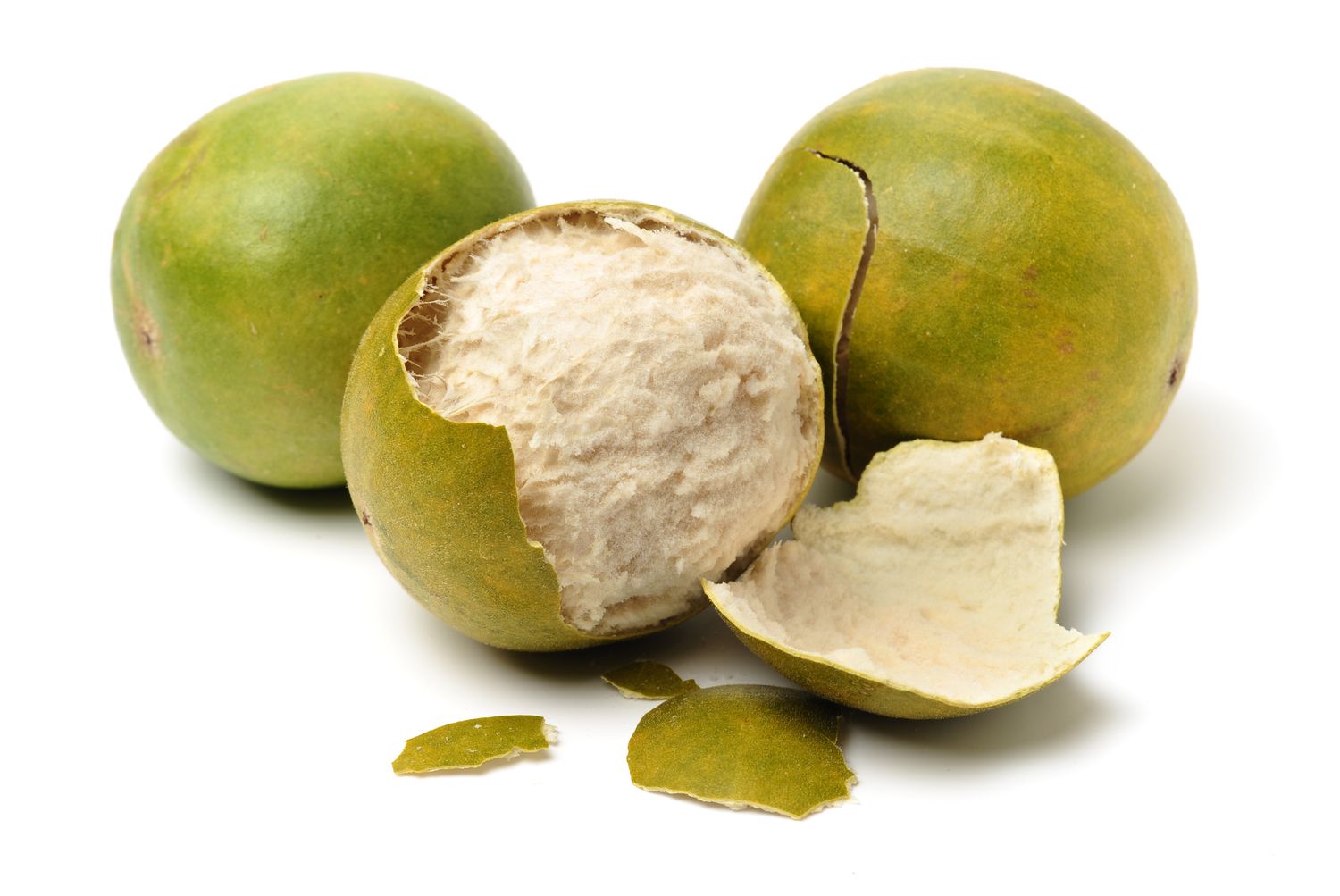
Monk fruit has become trendy recently because the extract can be used as a healthier substitute for table sugar. You can also eat whole monk fruit, which may reduce inflammation and promote a healthier gut.
The scientific name for monk fruit is Siraitia grosvenorii, and it is sometimes called Luo Han Guo. Monk fruit is native to mountainous regions of China and has been used as a medicinal plant for hundreds of years.
Antioxidants and Anti-Inflammatory Properties
There are perks to eating the whole monk fruit, including antioxidants.
“The sweetness comes from mogrosides—which are antioxidants—extracted from the fruit, not the fruit’s natural sugars,” Kacie Vavrek, RD, a dietitian at The Ohio State University Wexner Medical Center, told Verywell. “The mogrosides have anti-inflammatory and antioxidant properties.”
Antioxidants, which are anti-inflammatory, can delay or prevent cell damage and may even play a role in cancer prevention.
Research supports the idea that the antioxidants in monk fruit can provide many health benefits. The study found that 29 antioxidant compounds in luohan guo may affect 26 key targets in the body and are linked to biological pathways involved in cancer, especially breast and prostate cancer.
Relief from Sore Throat and Cough
Research has shown monk fruit helps to relieve symptoms of “inflammatory damage” that occur after tracheal intubation, suggesting that it may be helpful to some people experiencing sore throat.
It’s also been shown to “promote relief from inflammation in the throat during coughing, thereby alleviating the discomfort caused by coughing.”
Healthier Gut Microbiome
The mogrosides in monk fruit—which give the fruit its sweet taste—may also promote a healthier gut microbiome.
Studies suggest that mogroside V, a compound in monk fruit, may support health by interacting with gut bacteria and could be developed as a prebiotic food.
Should You Try Whole Monk Fruit?
“It is uncommon to find fresh, whole monk fruit,” said Stephani Johnson, DCN, RDN, adjunct professor in the department of clinical and preventive nutrition sciences at Rutgers University School of Health Professions.
“In the American diet, monk fruit consumption is primarily in the form of powdered or liquid extracts,” she added.
If you’re curious about whole monk fruit, there’s no reason you shouldn’t try it. It’s safe to eat, though you may have to hunt for it at multiple grocery stores.
Johnson advises choosing a monk fruit extract that does not include additives like erythritol, chicory root fiber, dextrose, or maltodextrin, which could cause a range of issues, including gastrointestinal issues.
:max_bytes(150000):strip_icc()/maggieoneill-16204cf3e01b424bbbd66733f6fb4668.jpeg)